The best small pets for adults in apartments are usually cats, appropriately matched small dogs, and domesticated rats. They can provide meaningful companionship without requiring a yard, but the right choice depends on your schedule, noise tolerance, available floor space, and willingness to manage daily care.
Small pets are not automatically low-maintenance. Some need bonded companions, larger habitats than expected, specialist veterinary care, or exercise outside their enclosure. This guide ranks practical options for apartment living and helps you choose based on how you actually live.
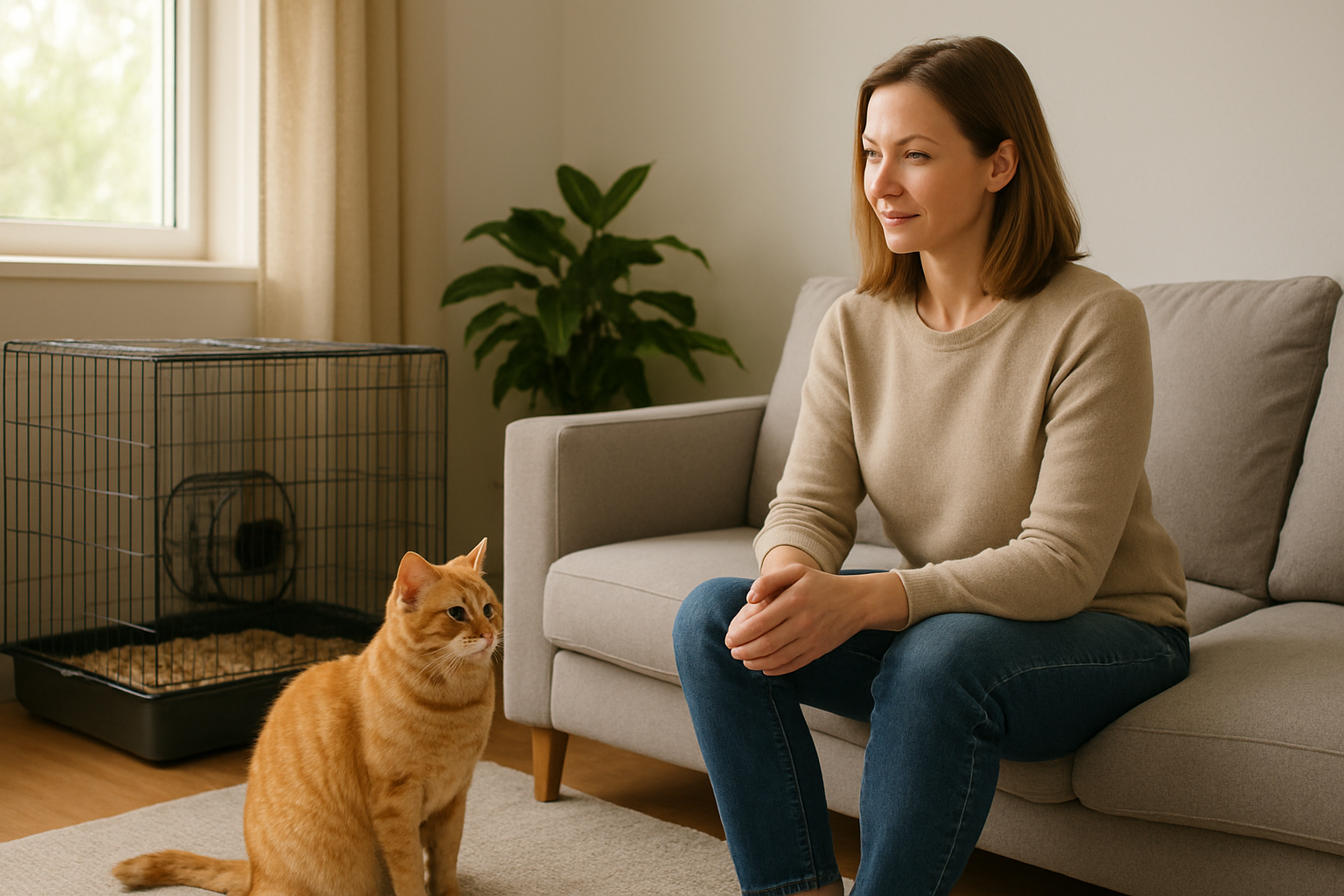
1. Compare apartment pets by the needs that matter most
Before choosing an animal, check your lease, building rules, and household conditions. Some properties restrict species, animal numbers, noise, or enclosure placement. Apartment suitability also depends on ventilation, temperature, access to natural light, and whether you can keep the pet away from unsafe cleaners, open windows, wires, and toxic plants.
The ranking below considers companionship, noise, space efficiency, handling, daily workload, and how predictable the animal’s needs are for a typical adult household. It is a practical comparison rather than a claim that one species is universally better.
Animal welfare organizations emphasize that rabbits, guinea pigs, hamsters, rats, birds, and other small pets have different housing, diet, enrichment, and companionship requirements. They should not be treated as interchangeable “starter pets.” Review species-specific guidance before adopting. ([science.rspca.org.uk](https://science.rspca.org.uk/en/web/rspca/findapet/advice/families?utm_source=openai))
Use this table as a first filter, then read the limitations of your preferred option.
| Pet | Best for | Apartment strengths | Warning sign |
|---|---|---|---|
| Cat | Companionship with flexible interaction | Usually quiet and adaptable indoors | Scratching, litter, allergies, or separation concerns |
| Small dog | Adults wanting an interactive routine | Can thrive without a yard with daily walks | Barking, exercise needs, and building rules |
| Domestic rat | People who enjoy training and interaction | Intelligent and compact when housed correctly | Must have compatible rat companions and regular cleaning |
| Rabbit | Adults prepared for a long-term indoor setup | Quiet and engaging with patient handling | Needs substantial space, enrichment, and rabbit companionship |
| Guinea pig | People who enjoy observing gentle social animals | Generally quiet and active without walks | Usually needs a companion pair and a larger enclosure than expected |
| Hamster | Adults with evening schedules and limited interaction demands | Usually kept singly and does not need room-wide exercise | Nocturnal activity, escape risks, and unsuitable small cages |
| Small bird | People who enjoy sound, training, and daily interaction | Uses vertical space and can be highly engaging | Noise, mess, sensitive respiratory health, and social needs |
2. Best overall: Cat
Best for: Adults who want a companion animal with a balance of independence and interaction.
A cat is often the most straightforward apartment companion when you can provide a secure indoor environment, daily play, scratching surfaces, hiding places, and clean litter facilities. Adult cats can be especially suitable because their energy level and personality are easier to assess than those of very young kittens.
Choose an individual cat rather than relying only on breed labels. A calm adult from a reputable shelter or rescue may fit apartment life better than a highly active cat that needs constant stimulation. Plan for routine veterinary care, claw maintenance, enrichment, and a backup caregiver.
Limitation: Cats still need daily attention, and some dislike being alone for long periods. If you want a cat that enjoys handling, read our guide to cat breeds that may suit cuddly homes.
3. Best for an active adult: Small dog
Best for: Adults who want a highly interactive pet and can maintain a dependable exercise schedule.
A small dog can live successfully in an apartment, but body size does not determine energy level. Some small dogs need substantial walks, training, play, and social contact. Noise and separation-related behavior can also affect neighbors, so temperament and training matter as much as size.
Before adoption, confirm that you can provide several bathroom breaks, daily outdoor activity, mental stimulation, and care during workdays or travel. Compare individual activity levels carefully; our Pomeranian versus Papillon comparison illustrates why two small breeds may have different routine demands.
Limitation: A dog is rarely the best choice if you work long shifts away from home and cannot arrange a walker, sitter, or reliable midday break.
4. Best intelligent small pet: Domestic rat
Best for: Adults who want a trainable, social animal and are comfortable with frequent enclosure care.
Domestic rats can be engaging pets for people who enjoy teaching simple behaviors, offering enrichment, and spending time handling them gently. They are compact, but their habitat must provide room to climb, rest, explore, and retreat. Rats are social, so keeping compatible animals together is normally part of responsible planning.
Place the enclosure in a stable, well-ventilated area away from direct sun, kitchen fumes, and household predators. Expect regular cleaning and a shorter lifespan than many cats or dogs, which can be emotionally difficult for some owners.
Limitation: Rats are not ideal if you want a pet that can be left alone for long stretches or if you are uncomfortable with frequent habitat cleaning.
5. Best quiet long-term project: Rabbit
Best for: Adults prepared to provide a spacious indoor area, patient socialization, and specialized care.
Rabbits can be quiet, expressive, and rewarding companions, but they are often underestimated. They need more than a small cage: plan for a secure exercise area, hiding spaces, chew-safe enrichment, appropriate diet, litter training, and rabbit-experienced veterinary care.

Rabbits are social animals and generally benefit from a compatible rabbit companion. They should not simply be paired with a guinea pig because the species have different needs and communication patterns. ([rspca.org.uk](https://www.rspca.org.uk/adviceandwelfare/pets/rabbits/company?utm_source=openai))
Limitation: A rabbit may not suit an apartment with limited floor space, delicate flooring, exposed electrical cords, or residents expecting a pet that enjoys being picked up frequently.
6. Best social pair: Guinea pigs
Best for: Adults who enjoy observing vocal, gentle animals and can dedicate floor space to a proper enclosure.
Guinea pigs are generally active, communicative, and interesting to watch. They need constant access to suitable food, hiding areas, enrichment, and daily opportunities for movement. They are social animals and should normally live with at least one compatible guinea pig unless a veterinarian or qualified behavior professional advises otherwise. ([rspca.org.uk](https://www.rspca.org.uk/adviceandwelfare/pets/rodents/guineapigs/behaviour?utm_source=openai))
The main apartment challenge is enclosure size. A compact pet-store cage may not provide enough usable room, particularly for a pair. Keep them away from direct heat, drafts, loud speakers, and other pets that may frighten them.
Limitation: Guinea pigs are not the best choice if you have room only for a small cage or prefer a pet that can live alone.
7. Best for evening schedules: Hamster
Best for: Adults who prefer a mostly independent pet and are awake during evening or nighttime hours.
Hamsters can fit apartment routines well because many are housed individually and spend much of the day resting. They still need a secure enclosure with appropriate depth, ventilation, bedding, hides, a safe exercise wheel, and opportunities to forage and burrow.
Do not choose a hamster solely because it is small. A poor enclosure, excessive handling during sleep, or an unsafe exercise ball can create stress or injury risks. Learn the species’ active hours before deciding whether its schedule suits you.
Limitation: Hamsters may be disappointing if you want daytime interaction or a pet that regularly seeks human attention.
8. When a small bird is the better fit
Best for: Adults who enjoy vocal interaction, training, and maintaining a carefully managed cage environment.
Small birds can be excellent apartment companions when their noise level and social needs match the building and your routine. They need daily mental stimulation, safe out-of-cage time when appropriate, a correctly sized cage, and protection from fumes and airborne hazards.
Birds have sensitive respiratory systems, so avoid smoking, aerosol sprays, overheated nonstick cookware, and strong fragrance products around them. If you are considering a cockatiel, our guide to bird cages for cockatiels in small homes can help you evaluate cage space rather than choosing by appearance.
Limitation: A bird may not work well in a thin-walled building, a home where people need quiet, or a household that cannot provide daily interaction.
9. Prepare your apartment before adoption
- Read the lease and obtain written approval where required.
- Identify a veterinarian who treats the species you plan to adopt.
- Measure the area for the enclosure, litter box, food storage, and exercise space.
- Secure windows, balconies, cords, plants, cleaning chemicals, and small gaps.
- Budget for routine care, emergency treatment, supplies, boarding, and a backup caregiver.
- Decide who will care for the pet during travel, illness, or a move.
Apartment planning is also about emergencies. Secure carriers, familiar bedding, food, water equipment, and medical records should be easy to access. The ASPCA recommends preparing transport supplies for small animals such as hamsters, gerbils, mice, and guinea pigs. ([aspca.org](https://www.aspca.org/pet-care/general-pet-care/disaster-preparedness?utm_source=openai))
10. Common mistakes when choosing a small apartment pet
- Choosing by size alone: A small animal may need a surprisingly large habitat or extensive daily exercise.
- Assuming quiet means easy: Rabbits and birds can be quiet in some situations but still require specialized care.
- Ignoring companionship needs: Guinea pigs, rabbits, rats, and some birds may need compatible social partners.
- Buying the smallest enclosure: Measure usable floor space, climbing room, ventilation, and enrichment areas.
- Overlooking noise: Wheels, vocalizations, barking, and cage activity can affect neighbors.
- Skipping the vet search: Exotic-pet veterinary access can be limited in some areas.
11. What if your first choice is not practical?
If your lease prohibits a species, do not hide the pet or assume enforcement is unlikely. Ask the property manager about permitted alternatives and clarify whether a written pet addendum is required. Housing restrictions and additional deposits can be significant issues for renters, so confirm them before adoption. ([aspca.org](https://www.aspca.org/improving-laws-animals/public-policy/housing/pet-friendly-housing-and-renters?utm_source=openai))
If you are away from home most of the day, consider an adult cat, a compatible pair of appropriate small animals, or postponing adoption until you can provide consistent care. If allergies are a concern, spend time with the specific animal first; no pet should be described as completely allergy-proof.
12. Final checklist and recommendation
- My lease allows this species and the number of animals I plan to keep.
- I have measured enough space for housing and exercise.
- I understand the animal’s social, dietary, and enrichment needs.
- I can afford routine and emergency veterinary care.
- I know who will provide care when I travel or become ill.
- I have chosen a veterinarian and prepared the apartment.
Final recommendation: For most adults seeking the best small pets for adults in apartments, start by considering an adult cat. Choose a small dog when you genuinely want a walking and training routine; choose rats when you want highly interactive small companions; choose rabbits or guinea pigs only when you can provide their larger-than-expected housing and social needs; and choose a hamster when an independent, evening-active pet fits your lifestyle. The best apartment pet is not the smallest one—it is the animal whose daily requirements you can meet consistently.