Quick verdict: Choose a Siberian Husky if you want a lighter, faster, highly social running companion. Choose an Alaskan Malamute if you prefer a larger, stronger, more substantial dog and can manage its size, power, coat, and independent nature.
Both breeds are intelligent Arctic working dogs with thick double coats and demanding exercise needs. They can be affectionate family companions, but neither is a low-maintenance choice. This comparison will help you evaluate the practical differences before you commit to a puppy or adult dog.
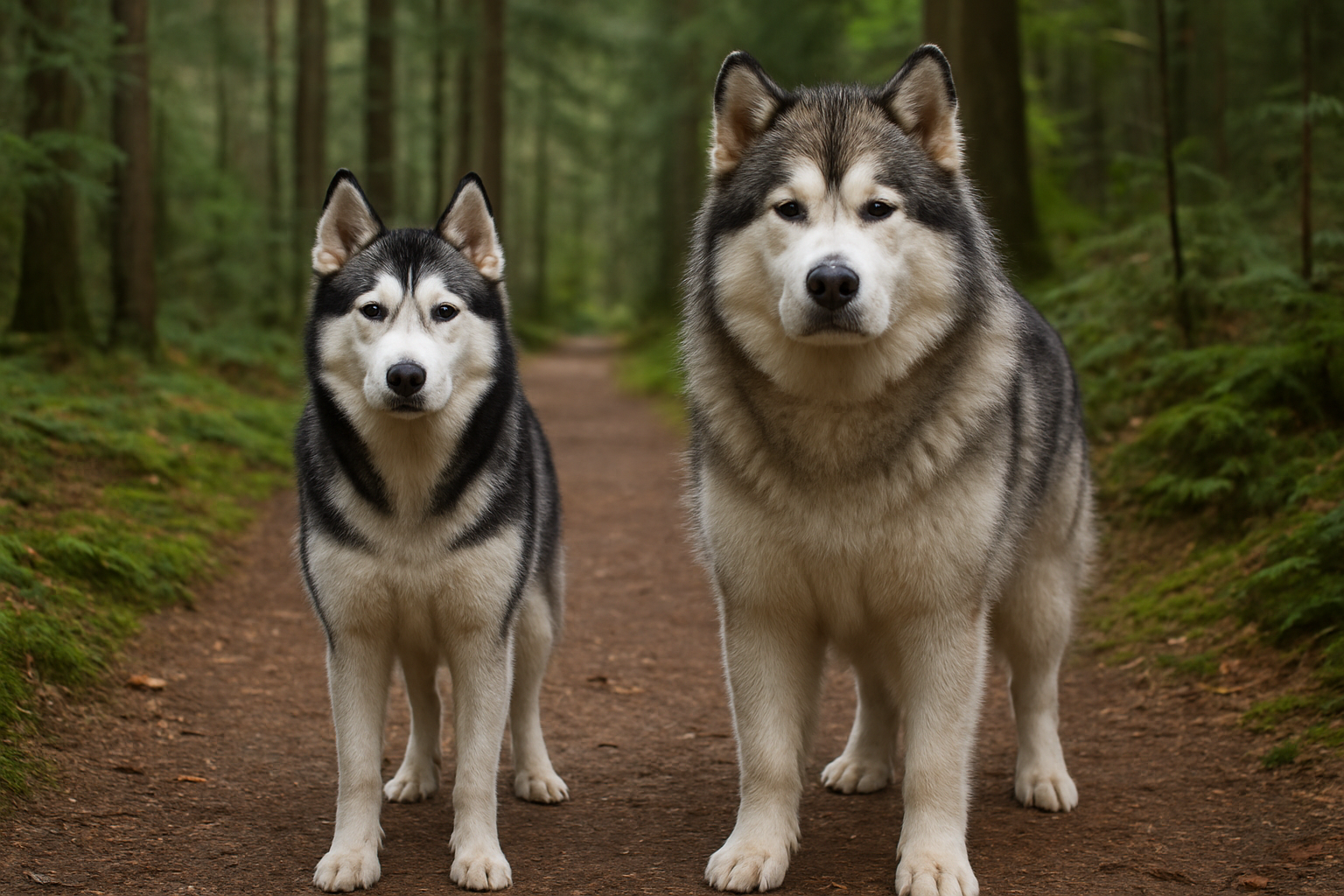
1. Start with the differences that affect daily life
The Siberian Husky and Alaskan Malamute were both developed for sled work, but they were not designed for exactly the same job. The Husky was built to carry lighter loads efficiently over long distances, while the Malamute was developed as a powerful freight-hauling dog. Their body type and working history still influence how they exercise, play, learn, and live with people today. ([akc.org](https://www.akc.org/expert-advice/dog-breeds/siberian-husky-vs-alaskan-malamute/))
Breed descriptions are useful starting points, not guarantees. Individual dogs vary with age, breeding, socialization, training, health, and previous experience. Use the comparison below to identify the demands you can realistically meet.
Here is the practical side-by-side view:
| Factor | Siberian Husky | Alaskan Malamute |
|---|---|---|
| Typical build | Medium-sized, light-footed, athletic | Larger, heavier-boned, strongly muscled |
| Best exercise match | Running, hiking, skijoring, long walks, canine sports | Hiking, backpacking, pulling activities, strength-based work |
| Energy style | Fast, active, playful, often restless when bored | Powerful, energetic, sometimes more deliberate and self-directed |
| Training challenge | Independent, easily distracted, skilled at escaping | Independent, physically strong, may test boundaries |
| Social tendencies | Often outgoing and friendly with people and dogs | Affectionate with family but can be more selective with other dogs |
| Coat and shedding | Heavy seasonal shedding; regular brushing required | Very dense coat; heavy shedding and substantial grooming |
| Home requirement | Secure containment and daily activity | Secure containment, space, supervision, and careful handling |
| Best general fit | Active owners who enjoy movement and social activities | Experienced owners comfortable with a large working dog |
2. Compare size, strength, and handling
Size is one of the clearest differences. AKC breed information lists adult Siberian Huskies at roughly 20 to 23.5 inches at the shoulder and about 35 to 60 pounds, depending on sex. Alaskan Malamutes are typically more substantially built, with adult males often reaching approximately 85 pounds or more, while females are generally smaller but still powerful. ([marketplace.akc.org](https://marketplace.akc.org/puppies/siberian-husky))
A larger dog affects more than food and bed size. Consider whether every adult in the household can safely control the dog on leash, whether your vehicle can accommodate the dog, and whether your floors, doors, fencing, and outdoor equipment can withstand a strong, determined animal.
- Choose the Husky if you want a medium-sized dog that is easier to lift, transport, and accommodate.
- Choose the Malamute if you genuinely want a large, powerful dog and are prepared to train for calm leash behavior from the beginning.
3. Match exercise needs to your real schedule
Neither breed is suited to a lifestyle built around short bathroom walks. Huskies commonly need a combination of aerobic exercise, exploration, play, and mental work. Their endurance and desire to run make them appealing for people who regularly hike, jog, ski, or participate in dog sports. The best dog breeds for hiking and outdoor adventures guide can help you compare other active breeds as well.
Malamutes also need substantial daily activity, but their strength and body structure change the safest options. They may enjoy hiking, backpacking, carting, or other controlled pulling activities when appropriately conditioned. Avoid assuming that a large dog will be satisfied with less exercise; boredom can still lead to digging, chewing, vocalizing, and attempts to escape.
Before choosing, write down your likely weekday routine:
- How much time can you provide before work and in the evening?
- What happens during hot weather, storms, illness, or busy weeks?
- Do you have safe trails, fenced exercise areas, or structured classes nearby?
- Can you provide mental enrichment when outdoor exercise is limited?
4. Evaluate temperament and household fit
Siberian Huskies are often described as loyal, outgoing, mischievous, energetic, and very vocal. Many enjoy meeting people and playing with other dogs, but friendliness does not mean automatic obedience. A Husky may be affectionate while still making its own decisions when it sees an opportunity to chase, explore, or investigate.
Malamutes are commonly described as loyal, playful, and affectionate. Their size, strength, and confidence can make them impressive companions, but they may need especially careful socialization and management around unfamiliar dogs. A dog’s individual history matters more than a breed label, particularly when adopting an adult.
For homes with children, focus on supervision and management rather than assuming either breed is naturally safe in every situation. Children should learn not to climb on, hug tightly, disturb, or take food from a dog. Use gates, separate rest areas, and direct adult supervision.
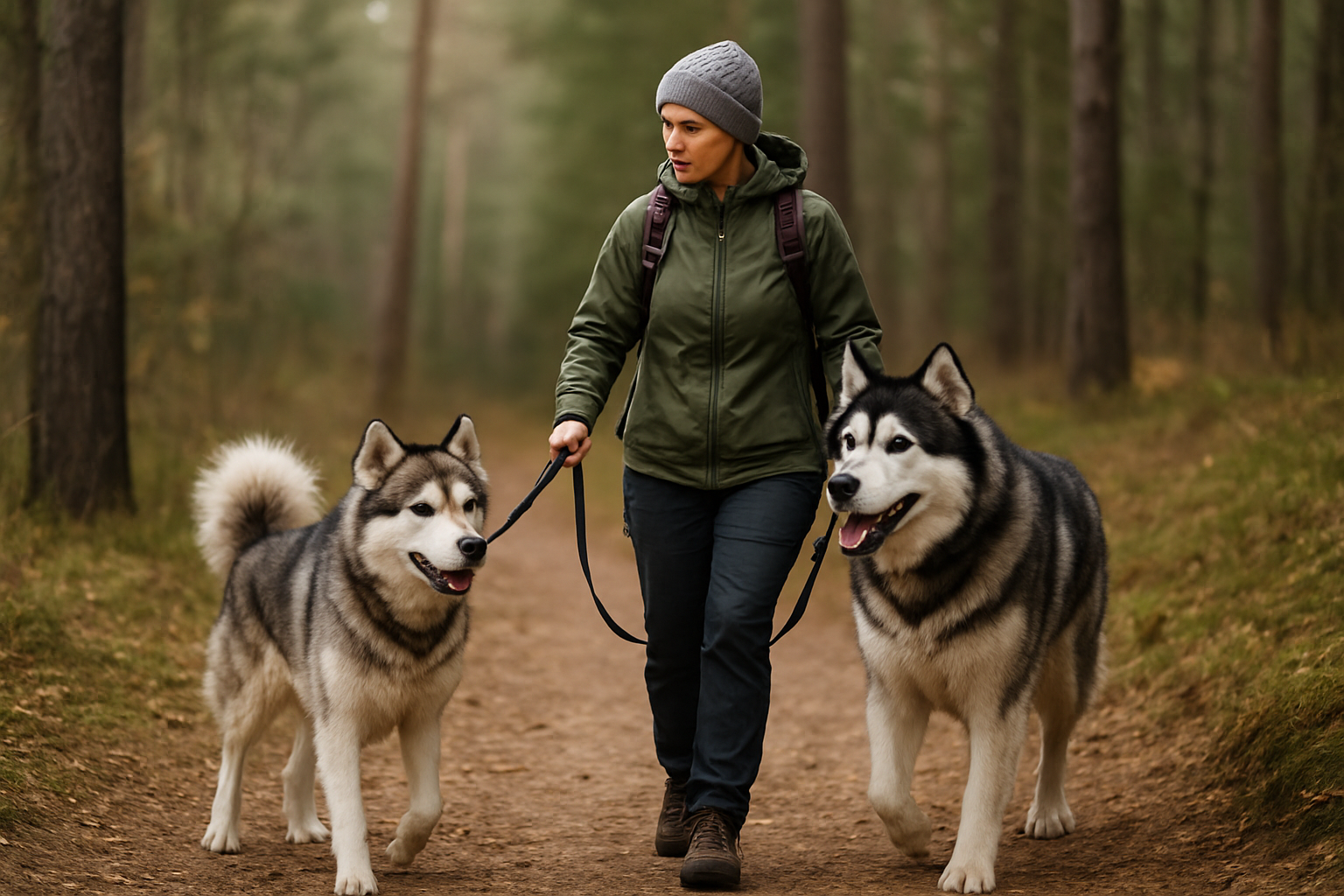
5. Decide how much training and containment you can provide
Both breeds are intelligent, but intelligence does not always appear as easy obedience. Short, reward-based sessions, consistent rules, and early socialization are more useful than harsh corrections. Your goal should be reliable everyday behavior: coming when called in safe settings, walking without dragging you, settling indoors, and leaving household items alone.
Containment deserves special attention. Siberian Huskies have a strong running instinct and a reputation for finding weaknesses in fences, gates, doors, and harnesses. Malamutes can also dig, climb, pull, or push through barriers because of their strength. A secure fence is helpful, but it does not replace supervision, identification, leash control, and a backup plan if the dog gets loose.
If barking or door excitement is already a concern, use a structured approach such as the one in this practical dog barking training plan. Training should begin before unwanted behavior becomes the dog’s normal way to respond.
6. Budget time for coat care and climate management
Both breeds have insulating double coats and shed heavily, especially during seasonal coat changes. Regular brushing helps remove loose undercoat and lets you notice mats, skin irritation, or parasites earlier. It does not eliminate shedding, and neither breed should be shaved simply to make summer easier.
Warm climates require planning. Provide shade, water, indoor cooling, and exercise during cooler parts of the day. Watch for heavy panting, weakness, confusion, vomiting, or collapse. Heat-related illness can become an emergency; move the dog to a cooler area and contact a veterinarian promptly if concerning signs appear.
7. Use scenario-based recommendations
Best for runners, hikers, and endurance-focused owners
The Siberian Husky is usually the more natural match if your main activities involve distance and pace. You still need to build conditioning gradually and use appropriate equipment, especially because young dogs should not be pushed into strenuous repetitive exercise before they are physically mature.
Best for owners who want a large, powerful working companion
The Alaskan Malamute may suit you better if you are interested in hiking, backpacking, pulling sports, or simply living with a heavier northern breed. The tradeoff is greater handling responsibility, higher physical demands, and less room for inconsistent training.
Best for a first-time dog owner
Neither is an easy first dog. If you are new to dog ownership, meet adult examples of both breeds, speak with responsible breed clubs or rescue organizations, and arrange professional training before bringing one home. A smaller or less independent breed may be a better starting point.
8. Avoid these common decision mistakes
- Choosing by looks alone: Wolf-like coloring does not tell you whether your routine fits the breed.
- Assuming a big yard is enough: A yard cannot replace walks, interaction, training, and enrichment.
- Underestimating shedding: Double-coated dogs require ongoing brushing and household cleanup.
- Expecting instant recall: Off-leash freedom should be earned in controlled environments, not assumed.
- Comparing puppy energy to adult needs: Ask about the entire lifespan, including adolescence and senior care.
- Ignoring dog-to-dog compatibility: Introduce dogs gradually and use professional help if there is tension.
9. A practical decision checklist
Before making a final choice, answer “yes” to the points that apply:
- I can provide daily physical and mental activity in every season.
- My fencing, doors, gates, and walking equipment are secure.
- I can handle heavy shedding and regular coat maintenance.
- I have a plan for heat, travel, boarding, and emergency veterinary care.
- Everyone in my household agrees on rules, supervision, and training.
- I am willing to meet adult dogs and ask about health, temperament, and behavior history.
10. What if you are still unsure?
Spend time with both breeds in ordinary settings, not only at a show or photo session. Ask owners what happens on a wet weekday, during shedding season, when the dog is bored, and when visitors arrive. If adopting, request a behavior assessment and disclose your household honestly.
For puppies, look for responsible breeders who discuss health screening, temperament, socialization, and lifetime support rather than focusing only on color or size. The Alaskan Malamute Club of America’s owner education resources and the AKC Siberian Husky breed profile are useful places to continue your research. You can also review the AKC Alaskan Malamute breed profile for breed-standard information and care considerations.
Next actions before you choose
- Measure your available indoor and outdoor space.
- Track your actual weekly exercise time for two weeks.
- Contact local Husky and Malamute owners, clubs, or rescues.
- Arrange a meeting with adult dogs of both breeds.
- Price realistic costs for food, grooming, training, containment, and veterinary care.
- Choose only after you can explain why the breed fits your routine.
Final verdict: In the Husky vs Alaskan Malamute decision, the Husky is generally the better fit for an active owner who values speed, endurance, sociability, and a medium-sized dog. The Malamute is the better fit for someone prepared for a larger, stronger, more independent companion and interested in substantial outdoor work. If you cannot reliably provide secure containment, daily activity, training, and coat care, the responsible choice may be neither breed.