Quick verdict: For most busy households, a cat is easier to care for because it usually needs less hands-on supervision, no outdoor toilet trips, and less daily training. A dog can be the easier choice only when you have reliable time for exercise, training, companionship, and outdoor routines.
The easier pet is not automatically the quieter, cheaper, or more affectionate one. Cats and dogs both need food, preventive veterinary care, safe housing, enrichment, and attention throughout their lives. The American Veterinary Medical Association recommends considering time, effort, money, exercise, training, grooming, and veterinary care before choosing a pet. Its pet-selection guidance is a useful starting point. ([avma.org](https://www.avma.org/resources-tools/pet-owners/petcare/selecting-pet-your-family))
This comparison focuses on the practical question: which animal fits your schedule, home, budget, and preferred type of companionship?
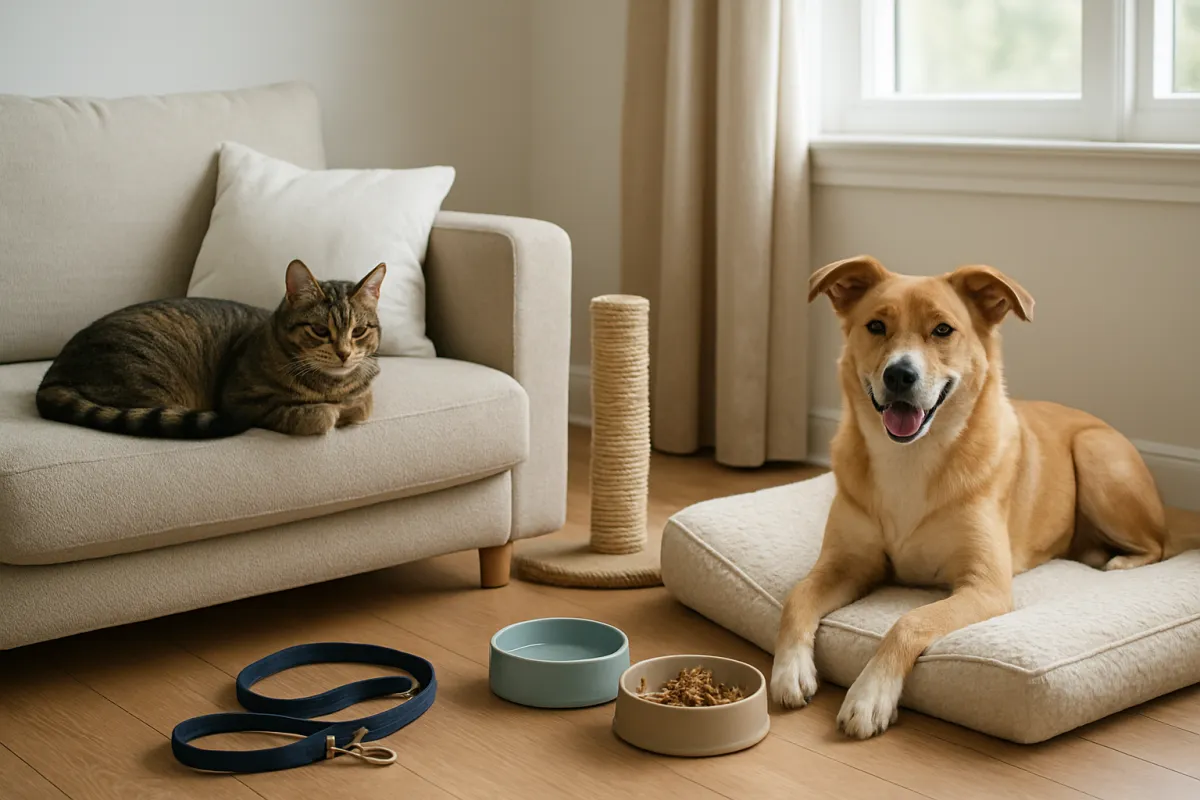
1. Compare the daily workload before choosing
Daily workload is the clearest difference in a cat versus dog decision. An adult cat can often use an indoor litter box and spend part of the day resting or entertaining itself. That does not mean cats require no attention: they still need play, social contact, clean facilities, observation, and regular care.
Dogs generally need more schedule-dependent care. Most need bathroom breaks, physical activity, mental stimulation, and interaction every day. Puppies require especially close supervision because toilet training, chewing, socialization, and basic manners take time and repetition. For apartment households, our guide to potty training a puppy explains why this stage can be demanding.
Pet ownership also involves ongoing financial and time commitments rather than only the adoption-day setup. ([avma.org](https://www.avma.org/resources-tools/pet-owners/responsible-pet-ownership))
Use this table as a planning tool, not as a guarantee. Individual temperament, age, health, breed, and previous training can change the result.
| Care factor | Cat | Dog | Warning sign for your household |
|---|---|---|---|
| Bathroom routine | Indoor litter box; daily scooping and regular washing | Outdoor trips or a carefully managed indoor plan | You cannot provide reliable breaks at the needed times |
| Exercise | Short play sessions, climbing, scratching, and exploration | Daily walks, play, sniffing, and mental activity | You want a dog but dislike walking in bad weather |
| Training | Litter habits, handling, scratching alternatives, carrier comfort | Toilet training, leash skills, recall, manners, and household rules | You expect training to happen without repetition |
| Home management | Litter, shedding, scratching, climbing, and occasional hiding | Shedding, muddy paws, chewing, barking, and access management | You need a perfectly quiet or damage-proof home |
| Social needs | Often more flexible, but varies widely by cat | Usually more dependent on regular human contact | You are away for long periods without backup care |
| Grooming | Usually moderate, with greater needs for some coats | Ranges from simple brushing to frequent professional grooming | You have not budgeted time or money for coat care |
2. Decide how much exercise and interaction you want
A cat may suit you better if you prefer companionship at home rather than a structured activity partner. You will still need to provide toys, scratching surfaces, safe vertical space, and brief periods of interactive play. A bored indoor cat may develop unwanted scratching, nighttime activity, overeating, or other behavior problems.
A dog may be a better match if you want a reason to walk, explore, train, or participate in activities together. However, the exercise requirement is not limited to a single walk. Many dogs also need sniffing opportunities, play, problem-solving, and calm training to avoid frustration.
For practical dog behavior advice, the ASPCA’s dog-care resources cover daily activity, training, health, and common behavior concerns. ([aspca.org](https://www.aspca.org/pet-care/dog-care))
Ask yourself these schedule questions
- Can you provide care at roughly the same times every day?
- Who will handle exercise when you are sick, traveling, or working late?
- Will your housing allow barking, outdoor access, litter equipment, and pet-friendly flooring?
- Can you afford a dog walker, sitter, boarding, or grooming when necessary?
3. Compare cleaning, noise, and home disruption
Cats usually create a smaller outdoor-management burden, but litter maintenance is unavoidable. Scooping frequently, controlling odor, and placing the box in a practical location matter more than buying a decorative setup. If you live in a small home, see our guide to cat litter for odor control in small apartments.
Dogs do not require litter boxes in most homes, but they can bring in dirt, have accidents, chew objects, or bark at sounds and visitors. These issues are manageable with preparation and training, not wishful thinking. Our practical plan for reducing door barking covers one common example.
Neither species is completely mess-free. Cats may shed, track litter, vomit hairballs, or scratch furniture. Dogs may shed, drool, have muddy paws, and need cleanup after walks.

4. Consider training, predictability, and temperament
Dogs often require more formal training because their behavior affects walks, visitors, neighbors, and public spaces. Early consistency can prevent problems, but training is an ongoing part of responsible ownership. Puppies and adolescent dogs typically demand more supervision than calm adult dogs.
Cats can appear easier because they do not usually need leash training or outdoor manners. Still, their behavior can be less predictable if you ignore fear, pain, territorial tension, or environmental stress. Teach handling gradually, provide appropriate scratching options, and avoid punishment that makes the home feel unsafe.
Breed labels are only part of the decision. Age, history, energy level, sociability, and health may matter more than whether the pet is a cat or dog. A calm adult dog may be easier than a high-energy puppy, while a confident adult cat may be easier than a fearful kitten.
5. Match the pet to your home and life stage
A cat is often best for:
- Busy professionals who can provide daily care but have limited outdoor time.
- Apartment residents who can manage litter, enrichment, and scratching needs.
- People who prefer a quieter home-based relationship.
- Households wanting more flexibility when schedules change.
If you are leaning toward a cat but want to reduce maintenance further, compare individual temperaments and consider our guide to low-maintenance cat breeds. Breed is not a promise of easy care, so assess the specific animal first.
A dog is often best for:
- People who genuinely enjoy walking, training, and outdoor activities.
- Families able to share care duties consistently.
- Owners with a stable routine and a plan for daytime supervision.
- Households seeking a highly interactive companion.
If children are involved, focus on supervision, adult responsibility, energy level, and the individual dog rather than relying only on a breed list. Our guide to family dogs that can suit homes with children provides a practical comparison framework.
6. Use this checklist before making the decision
- Write down the care tasks you can reliably complete on weekdays and weekends.
- Calculate a realistic monthly budget for food, litter or waste supplies, routine care, grooming, and backup services.
- Identify a veterinarian and confirm that you can reach the clinic during emergencies.
- Plan for travel, illness, housing changes, and unexpected behavior issues.
- Choose an age and temperament that match your available time.
- Meet the individual animal before deciding whenever possible.
Routine preventive care matters for both species. Veterinary guidance commonly includes wellness examinations, vaccinations as appropriate, parasite prevention, nutrition, dental care, and behavior assessment. AAHA’s wellness-care overview explains why regular visits are more than treatment for visible illness. ([aaha.org](https://www.aaha.org/resources/essential-care-why-wellness-visits-matter-for-pets/))
7. Avoid these common decision mistakes
- Choosing by appearance alone: A cute face does not reveal energy, sociability, noise level, or care needs.
- Assuming cats are maintenance-free: They need enrichment, litter hygiene, veterinary care, and observation.
- Underestimating puppies: The early months may be the most time-intensive period of dog ownership.
- Ignoring backup care: A pet still needs care during vacations, illness, emergencies, and long workdays.
- Comparing average species traits too rigidly: Individual animals vary substantially.
8. What if your situation changes?
If you work longer hours than expected, a cat may be more adaptable, but you should still arrange daily interaction and check for signs of boredom or stress. For a dog, consider a trusted walker, daycare only when appropriate, a sitter, or a schedule adjustment rather than leaving the animal without adequate breaks.
If allergies, mobility limits, noise sensitivity, or landlord rules are concerns, address them before adoption. Persistent changes in appetite, bathroom habits, fear, aggression, excessive vocalization, or withdrawal warrant veterinary advice because behavior changes can have medical as well as environmental causes. The ASPCA’s pet-care library offers general resources, but it does not replace an examination.
9. Make your final choice based on the tradeoff you can sustain
Choose a cat when your priority is a more flexible indoor routine and you are comfortable managing litter, shedding, scratching, and a sometimes-independent relationship. Choose a dog when you actively want daily outdoor responsibilities and can sustain training, exercise, supervision, and social contact.
So, Cat vs Dog: Which Pet Is Easier to Care For? In general, cats are easier for people with limited time or space, while dogs are easier for people whose lifestyle already supports regular activity and structured interaction. The conditional answer is the useful one: pick the animal whose ordinary care fits your real week, not the pet you hope will change it.