The best indoor cat breeds for apartment living are usually calm, adaptable, and comfortable with a predictable routine. British Shorthairs, Ragdolls, Russian Blues, and well-matched domestic shorthairs are strong choices, but the individual cat’s age, temperament, and exercise needs matter as much as its breed.
An apartment does not automatically limit a cat’s quality of life. The more important questions are whether you can provide climbing space, daily play, quiet resting areas, reliable litter access, and enough interaction for the cat you choose. This guide compares suitable breeds and explains how to match one to your home and schedule.
1. Start with the apartment, not the breed name
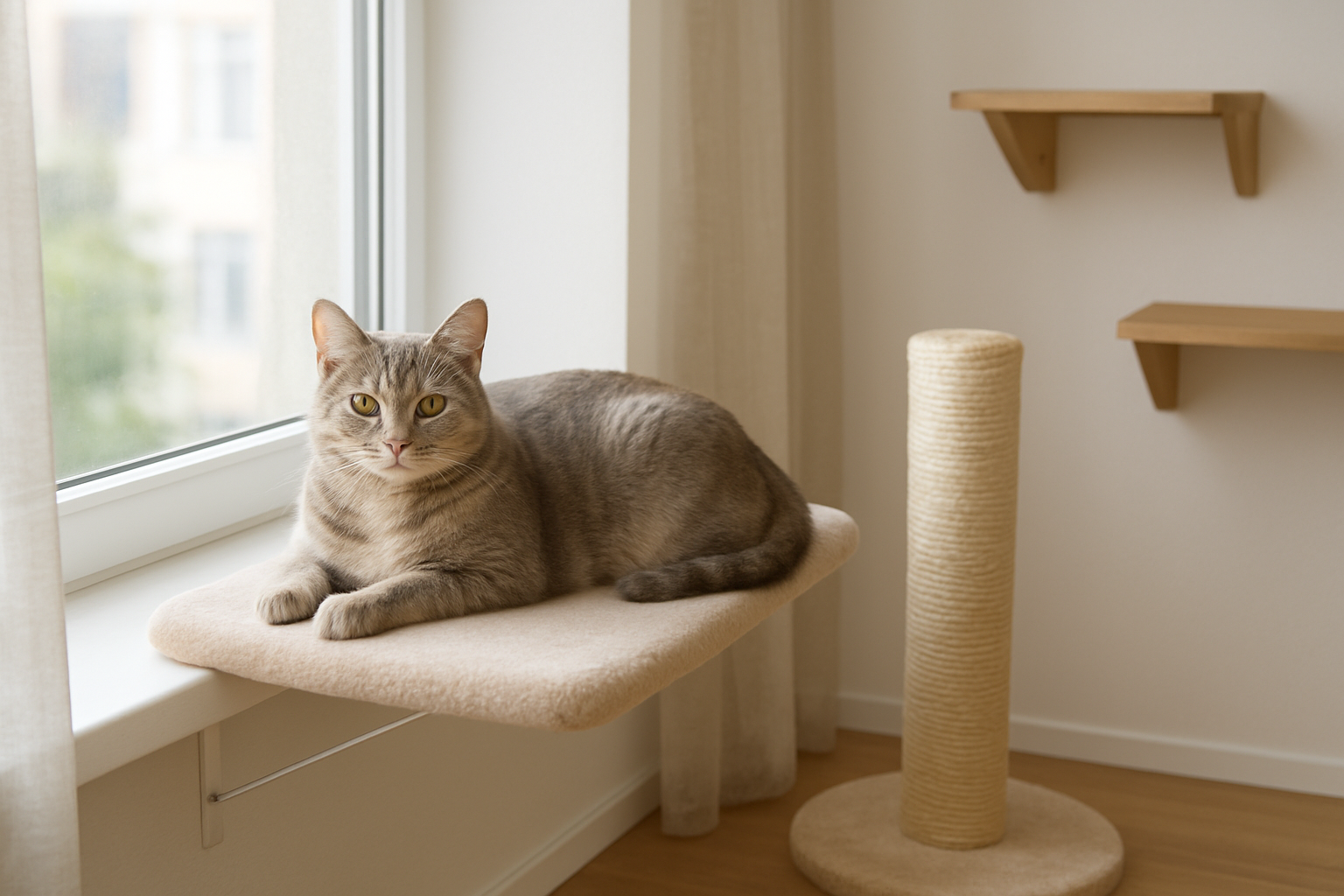
Square footage is only one part of the decision. A smaller apartment can work well when the cat has vertical territory, hiding places, scratching surfaces, and predictable access to food, water, and litter. Indoor cats still need opportunities to climb, stalk, chase, explore, and retreat.
Before choosing, assess these practical factors:
- Noise: Thin walls or downstairs neighbors make a quieter breed more suitable.
- Time at home: Some cats tolerate alone time, while others need frequent social contact.
- Vertical space: A secure cat tree, shelf, or window perch can add useful territory without taking much floor area.
- Grooming tolerance: Long or dense coats require a routine you must be willing to maintain.
- Household activity: Children, dogs, visitors, and other cats can change which temperament is most comfortable.
For general indoor-care principles, International Cat Care’s guidance on meeting environmental needs is a useful reference. Breed descriptions are tendencies, not guarantees.
2. Compare the best indoor cat breeds for apartment living
| Rank | Breed | Best for | Activity | Grooming | Potential limitation |
|---|---|---|---|---|---|
| 1 | British Shorthair | Quiet, low-pressure companionship | Low to moderate | Low to moderate | May not enjoy being carried or constant handling |
| 2 | Ragdoll | Gentle families and people who want a social cat | Moderate | Moderate | Large body and trusting nature require careful handling |
| 3 | Russian Blue | Quiet homes with a regular routine | Moderate | Low | Can be reserved with strangers |
| 4 | Exotic Shorthair | Relaxed homes wanting a plush, companionable cat | Low to moderate | Moderate | Flat-faced lines may carry additional health concerns |
| 5 | American Shorthair | Balanced households wanting an adaptable cat | Moderate | Low | Still needs daily play and enrichment |
| 6 | Scottish Straight | Affectionate homes seeking a moderate-energy cat | Moderate | Low to moderate | Breeder health screening is especially important |
| 7 | Adult domestic shorthair | Adopters who want a known personality | Varies | Usually low | Temperament and needs differ widely between individuals |
1. British Shorthair: best overall for a calm apartment
British Shorthairs are often a practical fit for apartment life because they tend to be calm, quiet, and comfortable spending time near their people rather than demanding constant physical attention. The Cat Fanciers’ Association describes them as easy-going and generally manageable to groom with regular brushing; its breed information also notes that they can be comfortable in apartments. See the CFA British Shorthair profile.
Best for: Someone who wants a composed companion that can entertain itself for parts of the day.
Limitation: This is not necessarily a lap cat. Many prefer sitting beside you, and their sturdy build makes weight control and daily movement important.
2. Ragdoll: best for a gentle, social household
Ragdolls are affectionate, moderately active, and usually adaptable to different living environments. They can suit apartments when their owners provide interactive play, stable routines, and safe places to climb. Their semi-long coat is not automatically difficult, but it does require more regular combing than a typical shorthaired cat.
Best for: Families or individuals who want a sociable cat that enjoys staying close.
Limitation: Ragdolls are large and trusting. Secure windows, careful introductions, and responsible handling are essential. Their friendly nature should never be treated as proof that they can safely roam outdoors.
3. Russian Blue: best for quiet routines and moderate play
Russian Blues are intelligent, graceful, and often relatively quiet around familiar people. TICA specifically describes them as able to stay home alone and then engage with their owners, which can make them suitable for some apartment schedules. They still need climbing opportunities, puzzle toys, and active play because intelligence can otherwise turn into boredom.
Best for: A predictable, quieter home where the cat can have both interaction and private downtime.
Limitation: Some Russian Blues are cautious with visitors or changes. Allow one to approach at its own pace rather than expecting immediate friendliness.
4. Exotic Shorthair: best for a relaxed companion
Exotic Shorthairs are generally associated with a laid-back, people-oriented temperament and a plush short coat. They may work well in a calm apartment where the cat’s main needs are companionship, gentle play, and comfortable resting places.
Best for: Homes that want a quieter cat and can commit to regular grooming and veterinary care.
Limitation: “Shorthair” does not mean maintenance-free. Face folds, eyes, teeth, breathing, and weight should be monitored, particularly in cats with very flat facial structure. Discuss breed-associated concerns with a veterinarian.
5. American Shorthair: best for a balanced household
American Shorthairs are often a middle-ground option: playful without necessarily being constantly demanding, social without always needing to be held, and relatively straightforward to groom. Their adaptability can suit apartments, provided you do not mistake a moderate-energy cat for a no-effort pet.
Best for: Households that want an all-rounder with short-coat maintenance.
Limitation: Their interest in food and play can contribute to inactivity or weight gain if the apartment has no exercise routine.
6. Scottish Straight: best for gentle companionship with careful sourcing
Scottish Straights can be affectionate and adaptable, and many enjoy living closely with people. However, the appeal of the breed should not outweigh health screening. Ask for transparent veterinary records and information about the parents before considering a kitten.
Best for: A responsible adopter who is prepared to investigate health history rather than choosing by appearance alone.
Limitation: Avoid sellers who cannot explain their breeding practices, health checks, or socialization process.
7. Adult domestic shorthair: best for predictable personality matching
A domestic shorthair is not a single breed, but it may be the most practical apartment choice. With an adult cat, a shelter or foster caregiver can often tell you whether the cat is quiet, vocal, playful, independent, comfortable with handling, or suited to other pets.
Best for: First-time owners who want to choose temperament directly.
Limitation: Background information may be incomplete, and the cat may need time to show its normal behavior after adoption.
3. Match activity, noise, and grooming to your routine
Do not rank breeds only by size or appearance. A small, energetic, vocal cat may be harder to manage in an apartment than a larger but calmer cat. Likewise, a longhaired cat can be a good fit if you enjoy grooming, while a shorthaired cat can still shed and need brushing.
Use this simple matching rule:
- You work long hours: Consider a confident adult cat or a breed known to tolerate quiet alone time, but arrange daily play and social contact.
- You want a lap companion: Look for an individual known to enjoy handling; do not rely on breed reputation alone.
- You have noise-sensitive neighbors: Favor quieter individuals and avoid choosing solely for a highly vocal temperament.
- You dislike grooming: Start with a shorthaired cat and still plan occasional brushing.
- You have children or dogs: Prioritize a proven history of calm introductions over a breed label.
4. Set up the apartment before bringing the cat home
Prepare at least one quiet retreat, a stable scratching area, and a way to use vertical space safely. Place the litter box away from food and noisy appliances, and secure window screens before allowing access to high perches.
A scratching post is not optional indoor furniture; it is part of normal behavior and territory management. Use this guide to choosing the right scratching post, and provide water in a location the cat finds comfortable. You can also review practical ways to encourage a cat to drink more water.
5. Buyer guide: choosing a kitten, adult cat, or breeder
If you are adopting, ask for the cat’s typical energy level, reaction to visitors, litter habits, medical history, and behavior around other animals. A foster home may provide especially useful observations because the cat has been seen in a domestic setting.
If you are working with a breeder, look for clear records, thoughtful socialization, honest discussion of breed-related health risks, and a willingness to answer questions. Do not choose a seller who promises a perfect temperament or dismisses concerns about breathing, joints, eyes, heart health, or inherited conditions.
For breed comparisons, use established registries such as TICA’s breed directory and the Cat Fanciers’ Association breed information, then verify health details with a veterinarian.
6. Common mistakes when choosing an apartment cat
- Choosing by looks alone: Appearance does not predict how vocal, active, or affectionate an individual will be.
- Assuming indoor means inactive: Every cat needs play, exploration, scratching, and mental stimulation.
- Ignoring adult size: A large breed needs suitably sized carriers, litter boxes, beds, and climbing furniture.
- Expecting a kitten to be quiet: Kittens are often energetic and may be more disruptive than a settled adult.
- Skipping health questions: A fashionable appearance should never replace responsible screening.
- Underestimating introductions: Cats should be introduced to people, pets, and new rooms gradually.
7. What if the cat struggles in the apartment?
Excessive hiding, persistent vocalization, aggression, inappropriate elimination, appetite changes, or sudden withdrawal can indicate stress or illness. First check basic needs, reduce noise, add hiding and vertical options, and keep the daily routine consistent.
If the change is sudden, severe, or continues despite sensible environmental adjustments, contact a veterinarian. Do not assume every behavior problem is caused by boredom or breed temperament.
8. Apartment cat selection checklist
- Confirm that the cat’s activity level matches your daily schedule.
- Ask whether the individual is vocal, shy, highly social, or comfortable alone.
- Plan safe vertical space and at least one private retreat.
- Budget time for play, grooming, litter care, and veterinary visits.
- Secure windows, balconies, cords, toxic plants, and unstable furniture.
- Choose temperament and health history before coat color or facial appearance.
Final recommendation by scenario
For the quietest general-purpose choice: start with a British Shorthair. For a gentle, close companion: consider a Ragdoll. For a quieter home with a structured routine: a Russian Blue may be a good match. For the most reliable personality assessment: adopt an adult domestic shorthair from a reputable shelter or foster program.
The best indoor cat breeds for apartment living are not simply the smallest or least active breeds. The strongest match is the cat whose social needs, noise level, grooming requirements, and energy fit the life you can consistently provide.
Pingback: Siamese vs Ragdoll Cats: Which Is Right for You? – LaokPet
Pingback: Best Automatic Cat Feeders for Wet Food: What to Look For Before You Buy – LaokPet
Pingback: How to Make a Cat Carrier More Comfortable: A Practical Step-by-Step Guide – LaokPet