Quick verdict: Choose a Corgi if you want a compact, confident, people-oriented companion with a bold personality. Choose a Shetland Sheepdog if you prefer a highly responsive, athletic dog that enjoys structured training and can handle more coat care.
Both breeds are intelligent herding dogs, but they do not create the same experience at home. A Pembroke Welsh Corgi is generally sturdier, more outgoing, and easier to manage in a smaller physical package. A Shetland Sheepdog is often more sensitive, agile, and eager to work closely with its handler.
This comparison looks at the practical factors that matter most: daily activity, training style, barking, grooming, family life, space, and health planning. Use the differences below to decide which breed fits your schedule rather than choosing only by appearance.

1. Start with the lifestyle you can maintain every day
The best choice is not the breed with the most appealing photo. It is the dog whose normal needs match your available time, tolerance for noise and shedding, and preferred activities.
Before comparing details, answer these questions:
- Can you provide daily walks plus short training or enrichment sessions?
- How much brushing and loose hair can your household reasonably handle?
- Do you want a dog that is socially confident, or one that may need more careful confidence-building?
- Are you interested in agility, obedience, herding activities, or casual family walks?
- Will the dog spend long periods alone, or can someone provide regular company?
Both breeds are working dogs rather than low-maintenance decorative pets. The Pembroke Welsh Corgi Club of America describes Pembrokes as active, alert, people-oriented dogs that need involvement with family or meaningful work. ([pwcca.org](https://pwcca.org/Buying-a-Pembroke?utm_source=openai))
2. Compare the main differences at a glance
The following table summarizes the most useful decision points. Individual dogs vary, so treat these as breed tendencies rather than guarantees.
| Decision factor | Pembroke Welsh Corgi | Shetland Sheepdog | What to consider |
|---|---|---|---|
| Overall style | Bold, lively, affectionate, and alert | Loyal, responsive, sensitive, and energetic | Choose based on temperament, not size alone. |
| Exercise | Regular walks, play, and mental work | More demanding physical and mental stimulation | Shelties often suit owners who enjoy active training. |
| Training | Intelligent but may show an independent streak | Highly responsive but can be sensitive to pressure | Both do best with reward-based methods. |
| Grooming | Shorter double coat with frequent shedding | Longer, fuller double coat requiring more brushing | Neither breed is low-shed. |
| Noise | Can be vocal and highly alert | Often prone to alert barking | Early teaching of quiet behavior matters. |
| Space | Can adapt to many homes with sufficient activity | Can adapt too, provided exercise and enrichment are consistent | A yard does not replace walks or interaction. |
| Best match | Active families wanting a sturdy companion | Training-focused owners and dog-sport households | Meet adult dogs before choosing. |
3. Corgi vs Shetland Sheepdog temperament
Why a Corgi may suit you
The Pembroke Welsh Corgi is known for a confident, cheerful, and companionable nature. The AKC describes the breed as an athletic, lively herder that is affectionate without necessarily being overly dependent. ([akc.org](https://www.akc.org/dog-breeds/pembroke-welsh-corgi/?utm_source=openai))
That confidence can make a Corgi enjoyable in a busy household, but it can also appear as stubbornness, pushiness, or excessive alertness if the dog receives inconsistent boundaries. Corgis may also use their herding instincts around children, moving feet, or other pets.
Why a Sheltie may suit you
Shetland Sheepdogs are typically devoted and highly responsive to their owners. The AKC breed standard describes the Sheltie as intensely loyal, affectionate, and responsive, while also recognizing its working-dog heritage. ([images.akc.org](https://images.akc.org/pdf/breeds/standards/ShetlandSheepdog.pdf?utm_source=openai))
Many Shelties enjoy learning behaviors and staying close to their handler. However, sensitivity can be a practical concern. Harsh corrections, chaotic handling, or poor socialization may create hesitation or nervous responses. Calm exposure to new people, sounds, places, and surfaces is especially important during puppyhood.
4. Exercise and training requirements
Neither dog is a good match for a household expecting a quiet dog that needs only a brief bathroom walk. Both benefit from a daily combination of movement, problem-solving, and interaction.
A Corgi may be satisfied with brisk walks, play, basic obedience, food puzzles, and occasional dog sports. Its compact build does not make it a sedentary breed; the official breed standard emphasizes stamina, activity, and agility. ([pwcca.org](https://www.pwcca.org/Official-AKC-Breed-Standard?utm_source=openai))
A Sheltie often needs more deliberate outlets. The breed is recognized as high energy and benefits from physical and mental stimulation, including activities such as obedience, agility, scent games, or trick training. ([akc.org](https://www.akc.org/expert-advice/lifestyle/fun-facts-shetland-sheepdog/?utm_source=openai))
- Choose the Corgi if you want an active companion but prefer a somewhat more moderate training-and-exercise routine.
- Choose the Sheltie if you look forward to teaching skills and making training part of your weekly routine.
5. Grooming, shedding, and home maintenance
Both breeds have double coats and shed. A Corgi has a shorter coat, but that does not mean your home will be hair-free. Regular brushing helps remove loose undercoat and makes seasonal shedding easier to manage; the AKC notes that daily brushing can be useful for Pembrokes. ([akc.org](https://www.akc.org/expert-advice/dog-breeds/pembroke-welsh-corgi-right-for-you/?utm_source=openai))
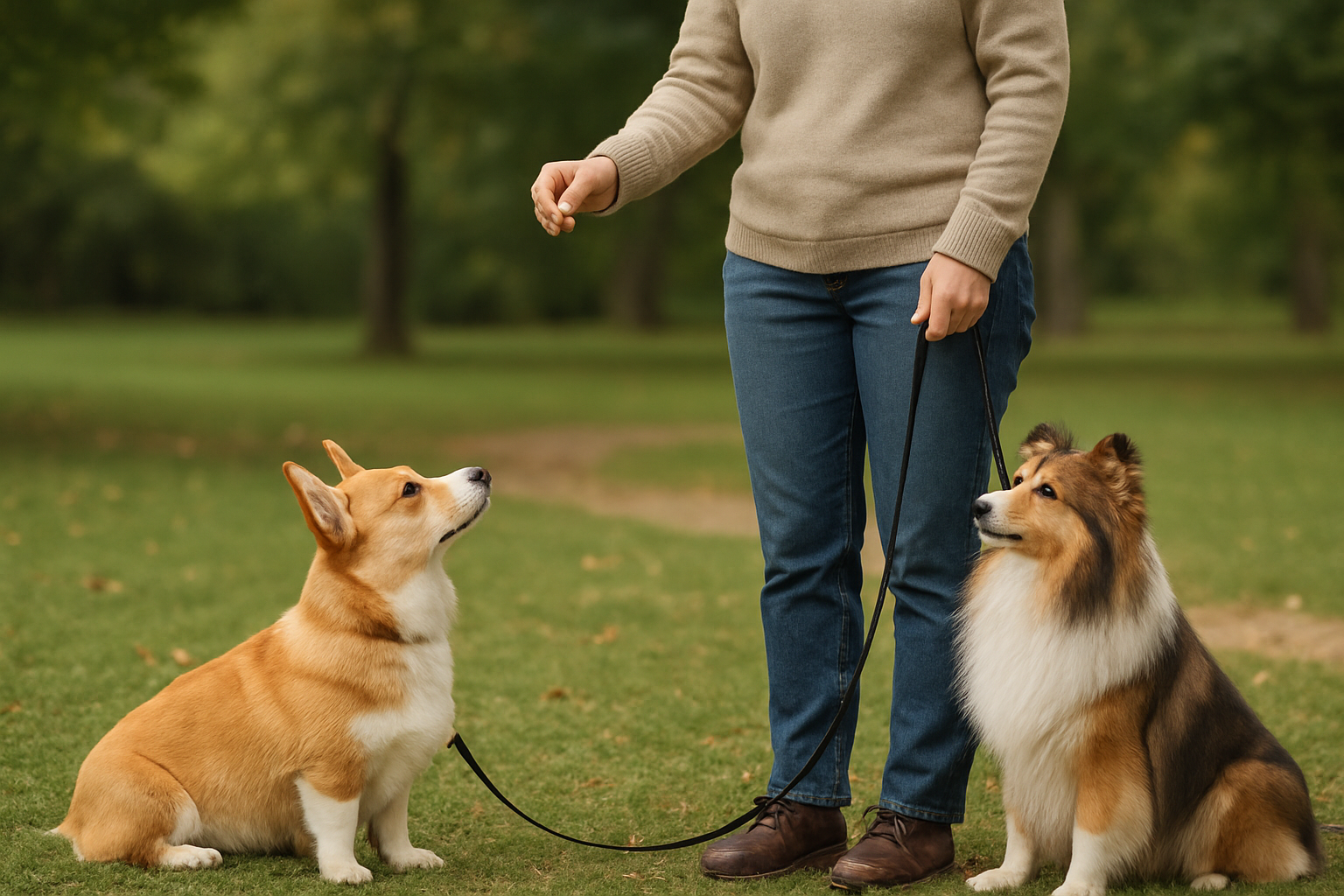
A Sheltie’s longer coat usually demands more attention, especially around the ruff, behind the ears, under the legs, and at the rear. Skipping brushing can allow tangles or mats to develop. Plan for routine brushing, nail care, ear checks, dental care, and occasional professional grooming if you do not want to handle the coat yourself.
Do not choose a Corgi solely because its coat looks easier. Choose it if you can accept regular shedding. Choose a Sheltie only if you are comfortable making coat care a predictable part of ownership.
6. Family life, children, and living space
Both breeds can be good family dogs when responsibly bred, well socialized, and taught appropriate behavior. Children should still be supervised, particularly around puppies and dogs that are trying to control movement through chasing or herding.
A Corgi may feel more physically robust in a busy family setting, but its tendency to nip at moving heels should be addressed early. A Sheltie may bond closely with children but can be more easily overwhelmed by shouting, unpredictable handling, or constant activity.
Apartment living is possible with either breed if you provide sufficient walks, training, and quiet-time practice. The main challenge is often barking rather than floor space. Teach a reliable “quiet” cue, reward calm observation, and avoid allowing every hallway sound or passerby to become a full alarm.
7. Health and responsible breeder questions
No breed is risk-free, and a health-conscious breeder cannot guarantee a problem-free lifetime. The practical goal is to review health testing, family history, temperament, and the breeder’s willingness to discuss weaknesses honestly.
For Pembrokes, the breed club identifies screening conversations around hips, eyes, von Willebrand disease, and other inherited concerns. ([pwcca.org](https://www.pwcca.org/Genetics-and-Health?utm_source=openai)) For Shelties, the American Shetland Sheepdog Association lists concerns that may include hip, thyroid, eye, skin, bleeding, gallbladder, and seizure-related conditions, while noting that these problems are not common in the breed. ([americanshetlandsheepdogassociation.org](https://www.americanshetlandsheepdogassociation.org/health-considerations/?utm_source=openai))
Ask to see appropriate health certifications, meet at least one parent when possible, and observe whether the adult dogs appear stable, comfortable, and socially appropriate. A breeder who dismisses health questions or will not explain testing deserves caution.
8. Best choice by scenario
- For an active family wanting a sturdy companion: The Corgi may be the easier fit if you can manage shedding and barking.
- For agility, obedience, or regular training: The Sheltie may have the stronger natural match for a training-centered home.
- For a first-time owner: Either can work, but choose the breeder and training support carefully. A Corgi may be more openly confident; a Sheltie may require more sensitivity and socialization.
- For a quieter household: Neither breed is automatically quiet. Meet adult dogs and ask how vocal their relatives are.
- For a home with limited grooming time: The Corgi is usually the more practical option, but it still sheds heavily.
- For someone who wants a close working partnership: The Sheltie often suits owners who enjoy frequent communication and structured learning.
9. Common mistakes when choosing between them
- Assuming small size means low exercise needs.
- Choosing a Sheltie for its appearance without planning for coat care and barking.
- Choosing a Corgi because it looks cheerful while overlooking its herding instincts.
- Using punishment-based training with a sensitive or independent herding dog.
- Buying from a breeder who provides little information about temperament or health testing.
- Expecting a yard to replace walks, training, and human interaction.
10. A practical decision checklist
Before making a commitment, check which description sounds more realistic:
- I can provide daily activity even when the weather is inconvenient.
- I am prepared for barking and will train calm behavior from the beginning.
- I can brush regularly and budget for routine veterinary care.
- I will use reward-based training and attend classes if needed.
- I have considered how the dog will behave around children, cats, visitors, and other dogs.
- I have met adult dogs from the breeder or rescue organization, not just puppies.
What if neither breed seems like the right fit?
If you want a low-shedding, low-noise, or genuinely low-exercise dog, neither the Corgi nor the Sheltie may meet your priorities. Speak with a reputable rescue, trainer, or veterinarian about breeds and individual adult dogs that better match your schedule.
If you are preparing for a puppy, a safe confinement area can make early routines easier. LaokPet’s guide to choosing a puppy playpen for house training may help you plan the setup before the puppy arrives.
Next actions before you choose
- Write down your realistic weekday exercise and grooming schedule.
- Meet adult Pembrokes and Shelties in calm home or training environments.
- Ask breeders or rescues about barking, sociability, sensitivity, and time alone.
- Review health documentation rather than relying on verbal assurances.
- Choose the dog whose everyday needs fit your routine, not simply the breed you find most attractive.
Final verdict: The better choice in a Corgi vs Shetland Sheepdog comparison depends on the kind of partnership you want. A Corgi is usually the stronger fit for a confident, active household seeking a compact and engaging companion. A Sheltie is often better for an owner who enjoys regular training, more intensive coat care, and a sensitive dog that wants close guidance. Either can thrive when its exercise, socialization, grooming, and health needs are planned honestly from the start.
For another practical breed comparison, see LaokPet’s guide to Airedale Terrier vs Welsh Terrier for active owners, or return to the LaokPet homepage for more pet-care guidance.