The best cat breeds that enjoy being held are usually affectionate, relaxed, and comfortable with close human contact—especially the Ragdoll, Burmese, Birman, and Ragamuffin. However, no breed guarantees a lap cat. Individual personality, early socialization, handling technique, age, and past experiences all matter.
This guide ranks seven breeds that are often good candidates for cuddly homes. It also explains what “enjoys being held” should mean, how to compare breeds fairly, and what to check before choosing a kitten or adult cat.
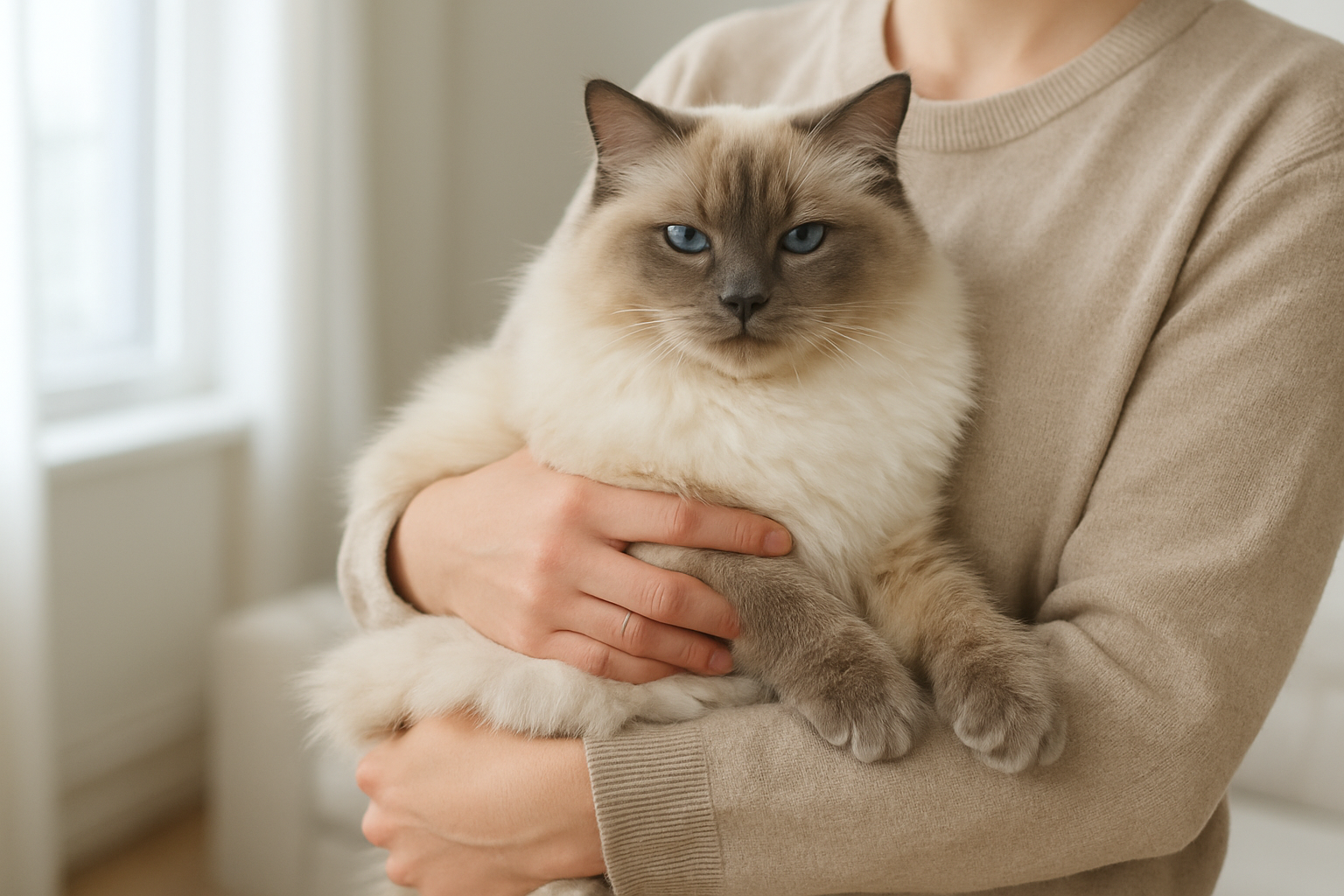
1. What to look for in a cat that enjoys being held
A suitable cuddle companion is not simply a cat that stays still. Look for a cat that voluntarily approaches people, relaxes when touched, accepts brief handling without struggling, and returns for more interaction later. A cat may enjoy sitting beside you but dislike being lifted, so separate these preferences during your assessment.
Breed descriptions can provide useful tendencies, but they are not promises. The International Cat Association’s breed information describes recognized breeds by their typical characteristics, while welfare organizations emphasize that each cat is shaped by genetics, experience, and environment. ([tica.org](https://tica.org/ticas-breeds/browse-all-breeds/))
- Relaxed body: loose muscles, neutral or gently forward ears, and a steady tail.
- People-seeking behavior: following you, kneading, head-butting, or settling on your lap.
- Comfort with touch: accepting gentle strokes around the shoulders, chest, and cheeks.
- Recovery after handling: returning to normal quickly after being lifted or repositioned.
Avoid treating freezing, hiding, or remaining motionless as acceptance. Some frightened cats become very still rather than relaxed.
2. Ranked comparison of the best cat breeds that enjoy being held
These rankings combine likely sociability, tolerance for close contact, family suitability, activity level, grooming demands, and how easy it is to find a cat with a predictable temperament. The ranking is a practical starting point, not a guarantee.
Use this table to narrow your shortlist before meeting individual cats.
| Breed | Best for | Typical cuddle style | What to consider |
|---|---|---|---|
| Ragdoll | Calm households and first-time owners | Relaxed, supported-in-your-arms cuddling | Large size and regular coat care |
| Burmese | People who want an interactive lap cat | Close contact mixed with play | Needs companionship and daily interaction |
| Birman | Families and gentle multi-pet homes | Affectionate, adaptable companionship | May dislike long periods alone |
| Ragamuffin | Homes wanting a soft, easygoing cat | Patient and people-focused | Longer coat requires maintenance |
| Persian | Quiet homes and relaxed routines | Short, peaceful cuddle sessions | High grooming and facial-care needs |
| Sphynx | Owners seeking warmth and constant contact | Body warmth, laps, and shoulder cuddles | Skin care and temperature management |
| British Shorthair | Owners who prefer calm companionship | Often beside you rather than carried | May be affectionate without liking restraint |
3. The seven strongest breed choices
1. Ragdoll — best overall for relaxed cuddling
Ragdolls are widely associated with a gentle, laid-back, affectionate temperament. TICA describes them as large, affectionate cats that often get along with children and other pets; CFA likewise characterizes the breed as docile and placid. ([cfa.org](https://cfa.org/breed/ragdoll/))
Best for: someone who wants a substantial, calm cat that may settle comfortably in their arms. Their size means you must support the chest and hindquarters rather than allowing the body to dangle.
Limitations: the semi-long coat needs regular brushing, and some Ragdolls prefer lying beside you instead of being carried. Their friendly reputation should not be used to force handling.
2. Burmese — best for an active lap-cat relationship
Burmese cats are people-oriented, playful, and often eager to curl up on a lap. TICA describes them as social cats that enjoy human company and may become lonely when left alone for long periods. ([tica.org](https://tica.org/breed/burmese/))
Best for: households that want cuddling combined with conversation, play, and frequent interaction.
Limitations: this is not usually the best choice for someone seeking a quiet, independent cat. Provide climbing areas, interactive toys, and companionship.
3. Birman — best for gentle family companionship
Birmans are often curious, outgoing, affectionate, and adaptable. TICA notes that they enjoy attention and companionship and can suit families with children or cat-friendly dogs. ([tica.org](https://tica.org/breed/birman/))
Best for: families that want a sociable cat with a softer, less intense energy level than some highly active breeds.
Limitations: a Birman may enjoy attention without wanting to be carried for long. Supervise children and teach them to sit on the floor while holding the cat.
4. Ragamuffin — best for a soft, easygoing companion
Ragamuffins are commonly selected by people looking for a friendly, relaxed companion with a plush coat and a strong interest in household life. Many enjoy lap time, but individuals still vary considerably.
Best for: homes that can provide daily affection and routine grooming.
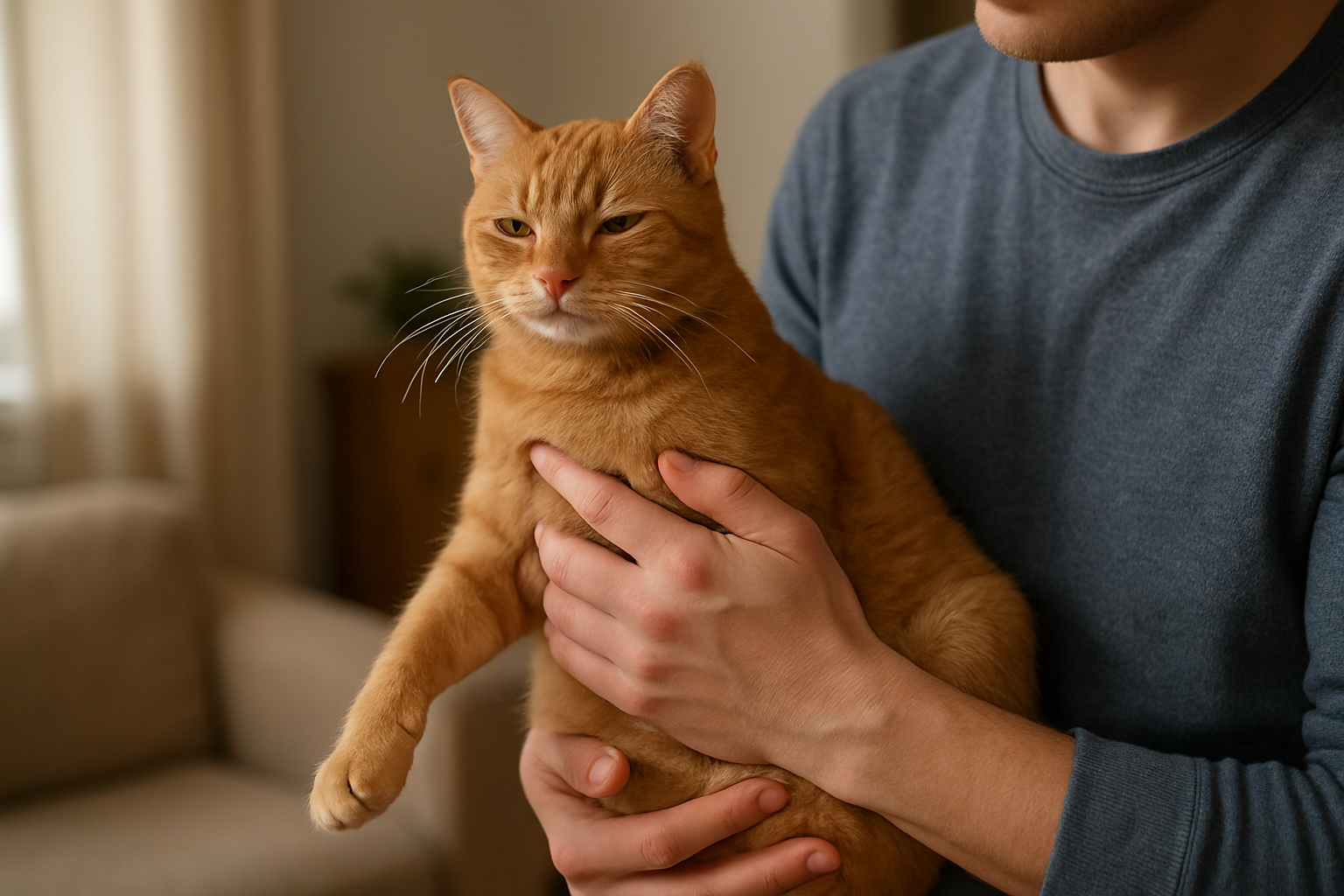
Limitations: their larger bodies and longer coats add handling and maintenance responsibilities. Ask the breeder or rescue organization how the specific cat responds to being lifted.
5. Persian — best for quiet, low-energy homes
Persians can be calm and affectionate, making them appealing to people who prefer peaceful companionship over constant activity. Their ideal cuddle style is often a short, quiet session on a lap or beside you.
Best for: adults who want a calm indoor cat and are prepared for consistent grooming.
Limitations: coat care can be substantial, and flat-faced cats may require particular attention to breathing, eyes, and heat management. Choose health-focused breeders and discuss breed-related veterinary concerns before committing.
6. Sphynx — best for cats that seek frequent body contact
Sphynx cats are often highly social and may seek laps, blankets, and human warmth. Their lack of a conventional coat can make close contact especially appealing to both cat and owner.
Best for: people who want an interactive companion that may stay close throughout the day.
Limitations: they are not maintenance-free. Skin oils, bathing routines, nail care, sun exposure, and temperature control all require attention.
7. British Shorthair — best for calm companionship without constant carrying
British Shorthairs are often calm, sturdy, and comfortable around people. CFA describes them as quiet and people-friendly, but many prefer sitting next to you rather than being picked up. ([cfa.org](https://cfa.org/breeds/))
Best for: owners who want a relaxed cat and are happy with affection on the cat’s terms.
Limitations: this breed is a reminder that “affectionate” does not always mean “likes being held.” Treat nearby companionship as a successful outcome.
4. How to assess an individual cat before choosing
When meeting a kitten or adult cat, watch first and handle second. Ask the breeder, shelter, or foster carer about the cat’s normal behavior, response to children, tolerance of grooming, and reaction to being transported or examined.
- Let the cat approach instead of reaching over its head.
- Stroke the cheeks and shoulders before attempting a lift.
- Lift for only a few seconds with the chest and rear supported.
- Return the cat to a stable surface before it begins struggling.
- Repeat the assessment on another day when possible.
Look for soft eyes, a loose posture, and a willingness to re-engage. Warning signs include flattened ears, rapid tail flicking, tense limbs, growling, repeated escape attempts, or sudden changes from the cat’s usual behavior.
5. Common selection mistakes
- Choosing by appearance alone: a beautiful coat or striking face says little about handling preferences.
- Assuming a breed guarantee: breed tendencies improve predictability but cannot determine an individual cat’s personality.
- Confusing tolerance with enjoyment: a cat that endures being held may still prefer not to be lifted.
- Ignoring adult cats: an adult rescue may offer clearer evidence of its established temperament than a young kitten.
- Overlooking care needs: grooming, social time, health screening, and household compatibility matter as much as cuddling.
6. What if your cat dislikes being held?
Do not chase, punish, or restrain the cat to create affection. Build positive associations by offering a treat after brief touch, placing the cat beside you rather than on you, and ending each session while the cat is still comfortable.
If a previously affectionate cat suddenly resists handling, arrange a veterinary check. Pain, illness, or stress can change behavior, and professional advice is appropriate when the change is sudden, persistent, or accompanied by hiding, appetite changes, limping, or aggression. ([cats.org.uk](https://www.cats.org.uk/media/alshqqrd/managing-cat-behaviour.pdf))
7. Buyer checklist and final recommendations
- Decide whether you want a cat that enjoys being carried or simply likes close contact.
- Match activity level to your daily schedule.
- Check grooming, skin, facial, and veterinary-care responsibilities.
- Meet the individual cat more than once if possible.
- Ask for documented health screening and honest behavior history.
- Use a reputable breeder or rescue organization; TICA explains that recognized breeders should meet responsible-breeding standards and ask questions about your home. ([tica.org](https://tica.org/find-a-cat/find-a-cat-breeder-listings/))
Final recommendation by scenario: choose a Ragdoll for the strongest overall chance of relaxed cuddling, a Burmese for an energetic and highly interactive lap cat, a Birman for a gentle family home, or a British Shorthair if you prefer calm affection without demanding constant carrying. For the most reliable personality match, consider an adult rescue cat whose behavior is already known.
The best cat breeds that enjoy being held can make wonderful companions, but respectful handling remains the deciding factor. Choose the individual cat that willingly seeks you out, relaxes in your presence, and can communicate when it has had enough.
For more practical pet-care guidance, visit the LaokPet homepage, or read our guides to Siberian cats versus British Shorthairs and cleaning a cat’s ears safely at home.