The best flea and tick prevention for indoor cats is usually a cat-specific, veterinarian-approved product used consistently—not necessarily the strongest treatment available. Your choice should reflect your cat’s age, weight, health, lifestyle, and possible contact with other animals.
Indoor living reduces exposure, but it does not make parasites impossible. Fleas can enter on clothing, visitors, other pets, or wildlife near doors and windows. This guide explains how to compare prevention options, avoid dangerous mistakes, and decide when professional advice is needed.
1. Start by assessing your cat’s actual exposure
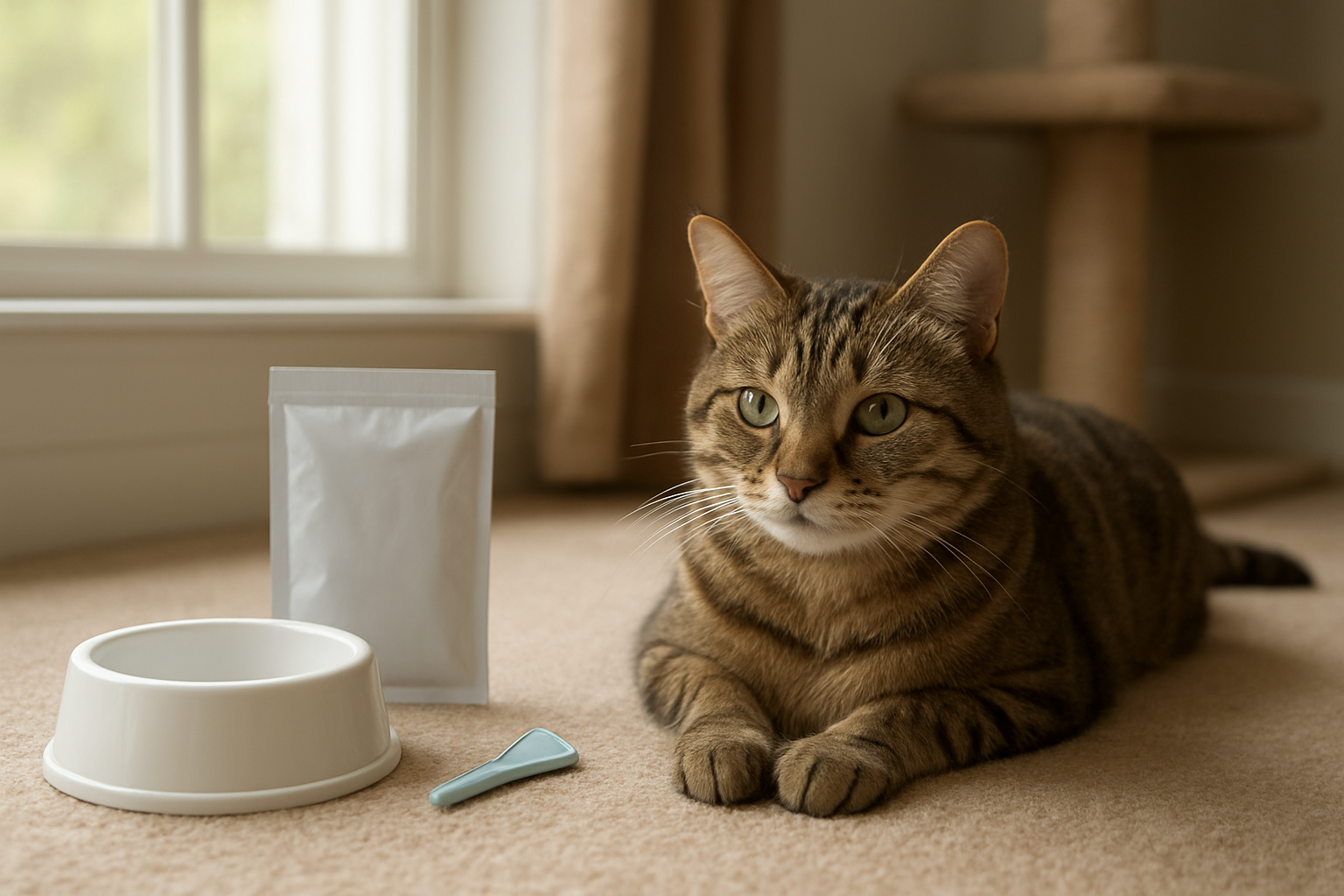
Prevention decisions are easier when you separate “indoor” from “completely isolated.” A cat that never leaves the home and lives without other animals may have a lower risk than a cat in a busy household, but neither situation guarantees parasite-free living.
Consider these sources of exposure:
- Dogs or cats that go outdoors and share the home.
- Boarding, grooming, veterinary visits, or contact with unfamiliar animals.
- Open windows, balconies, garages, basements, or shared apartment hallways.
- Previous flea problems in the home.
- Travel, foster animals, or frequent visitors with pets.
Ticks are often less common on strictly indoor cats than fleas, but risk depends on your region and household habits. A local veterinarian can help you judge whether year-round protection is appropriate or whether a targeted plan is reasonable.
2. Compare the main prevention formats
Flea and tick products generally come as topical treatments, oral medicines, collars, or environmental products. The most suitable format is the one you can administer correctly and safely at the recommended interval.
Topical products are applied to the skin, usually at the back of the neck. They can be practical for cats that resist pills, but you must follow application instructions carefully and prevent children or other pets from touching the area until the label allows it.
Oral products may suit cats that are difficult to treat topically, although product availability and approved uses vary by country. They may also have specific age, weight, health, or interaction requirements, so confirm the choice with a veterinary professional.
Collars can provide a convenient long-duration option when correctly fitted and labeled for cats. Check the collar regularly for irritation, fit, damage, and the manufacturer’s safety instructions. Avoid relying on vague “natural” or homemade treatments without evidence of safety and effectiveness.
Use this comparison as a starting point rather than a substitute for the product label or veterinary advice.
What to compare before buying:
| Option | What to look for | Warning sign |
|---|---|---|
| Topical treatment | Cat-specific labeling, correct weight range, clear dosing interval | Applying it to fur instead of skin or using a dog product |
| Oral treatment | Veterinary guidance, approved age and weight range, easy administration | Sharing medication or crushing it without checking instructions |
| Flea collar | Secure fit, cat-specific label, instructions for irritation or removal | Loose, damaged, heavily scented, or unlabeled collar |
| Home treatment | Vacuuming, washing bedding, and treating all relevant pets safely | Spraying a household product directly on the cat |
3. Check active ingredients and safety information
The brand name matters less than the product’s active ingredients, concentration, target species, and approved use. Read the complete label before purchase, including age restrictions, weight ranges, warnings, storage instructions, and directions for missed doses.
Never use a flea or tick product labeled for dogs on a cat. Some dog products contain permethrin, which can be highly toxic to cats. Serious signs after possible exposure can include tremors, muscle twitching, weakness, seizures, breathing problems, or unusual agitation. Treat suspected poisoning as an emergency and contact a veterinarian or animal poison service immediately.
Extra caution is appropriate for kittens, elderly cats, pregnant or nursing cats, underweight animals, and cats with neurological, liver, kidney, or other chronic conditions. Ask a veterinarian before combining products, switching active ingredients, or treating a cat that is already unwell.
4. Decide whether routine prevention is justified
Routine prevention may be sensible when exposure is ongoing, another household pet goes outside, or fleas have previously affected the home. Consistency also matters because stopping and restarting treatment can leave gaps during which parasites may return.
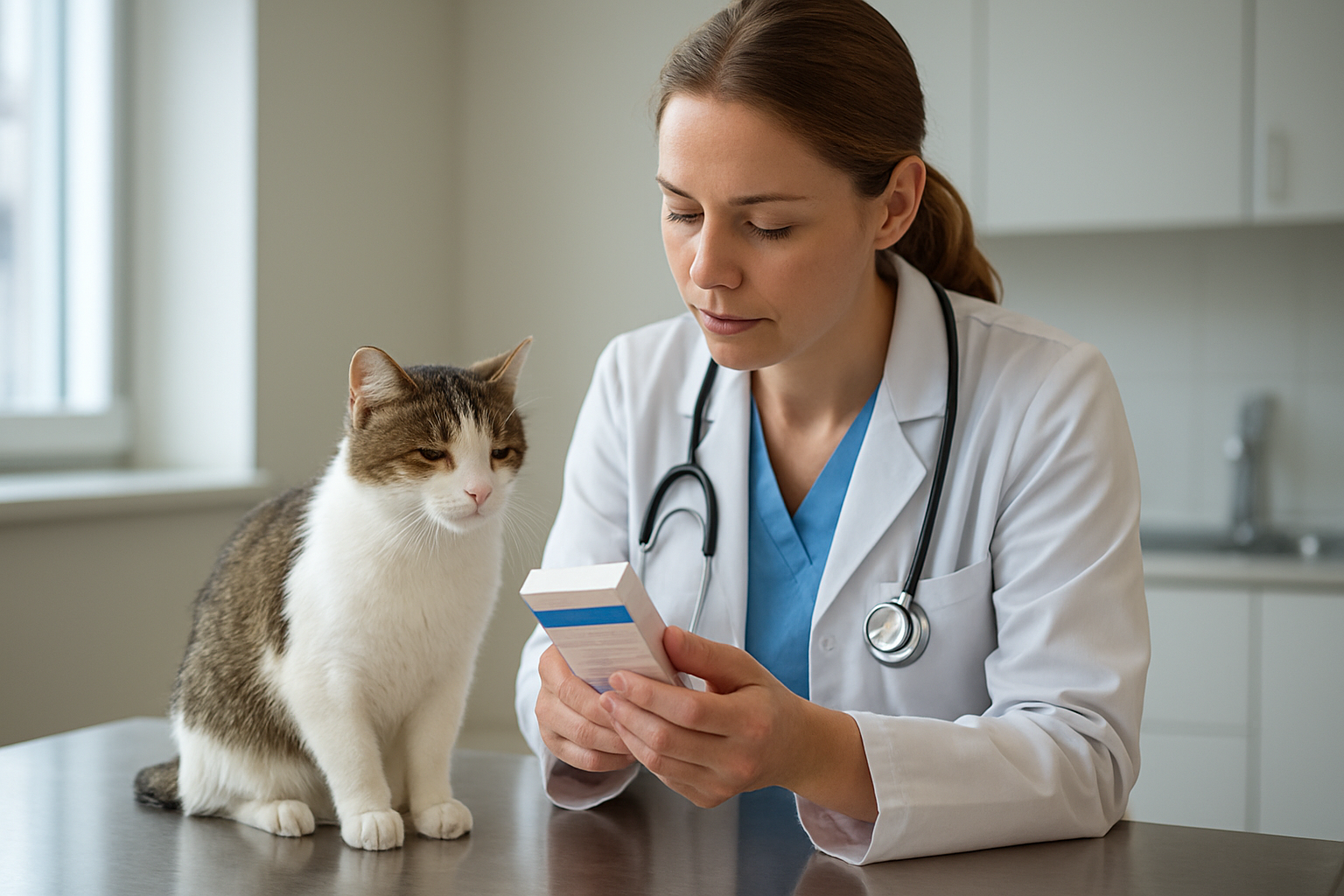
For a low-exposure indoor cat, your veterinarian may recommend a different schedule or monitoring approach. Do not change frequency simply because a product seems mild, and do not apply extra doses after seeing a flea unless the label or a professional specifically directs you to do so.
Keep a simple record of the product, active ingredient, date given, dose, and any reaction. This is useful if your cat changes weight, visits a new clinic, or needs treatment for another condition.
5. Treat the home when fleas are present
Seeing one flea does not always mean the problem is limited to the cat. Flea eggs and immature stages can remain in carpets, upholstery, bedding, cracks, and other resting areas. A successful plan may therefore involve both the animal and the environment.
- Wash pet bedding using the hottest safe setting for the material.
- Vacuum carpets, furniture, corners, and areas beneath beds regularly.
- Empty the vacuum according to its instructions after cleaning.
- Ask a veterinarian whether every pet in the household needs treatment.
- Use household insecticides only as labeled, keeping pets away until the area is safe.
Do not pour household flea treatments onto your cat, combine several pesticides, or increase a dose because parasites remain visible. Flea control can take time because existing life stages may emerge after the first treatment.
6. Use a practical buying checklist
Before purchasing the best flea and tick prevention for indoor cats, check each of the following:
- The label clearly says the product is for cats.
- Your cat’s current weight falls within the stated range.
- Your cat meets the minimum age requirement.
- The active ingredients and dosing interval are easy to identify.
- The product comes from a trustworthy veterinary, pharmacy, or established retail source.
- You know what to do if a dose is missed or a reaction occurs.
- You have considered other pets and the home environment.
Be cautious with marketplace listings that lack a readable label, use suspiciously vague claims, or appear altered or repackaged. A lower purchase price is not useful if the product is counterfeit, unsuitable, or incorrectly dosed.
Common mistakes that reduce safety
- Using a dog product: Species labels are not interchangeable.
- Estimating the dose: Weight ranges are part of the safety instructions.
- Stacking treatments: Multiple products can expose a cat to overlapping chemicals.
- Ignoring a reaction: Skin irritation, vomiting, excessive salivation, tremors, or behavior changes warrant prompt advice.
- Treating only the visible flea: The household environment may also need attention.
- Using essential oils casually: Concentrated oils can be unsafe for cats when inhaled, ingested, or applied to the skin.
What if your cat has a reaction or fleas keep returning?
If a reaction occurs
Follow the label’s emergency instructions and contact a veterinarian promptly. If a topical product was applied and the cat develops concerning signs, do not apply another product or attempt a home remedy while waiting for advice. Bring the package or a photograph of the label if you seek care.
If fleas continue to appear
Check whether the product was applied correctly, whether doses were missed, and whether every relevant pet is included in the plan. Reinfestation can also come from the home or from outdoor animals. A veterinarian can review the active ingredient and determine whether the diagnosis is actually fleas, ticks, mites, or another skin problem.
Next actions for a safer decision
- Write down your cat’s age, current weight, health conditions, and other medications.
- List possible exposure through dogs, visitors, travel, grooming, or outdoor access.
- Ask a veterinarian which active ingredients and schedule fit your cat.
- Buy only a clearly labeled cat product from a reliable source.
- Record each dose and monitor your cat after administration.
- If parasites are found, clean resting areas and discuss household treatment.
For broader pet-care guidance, you can visit the LaokPet homepage. If you are introducing another cat into the household, parasite prevention is also one practical issue to discuss alongside a gradual introduction plan; see How to Introduce a Cat to a New Kitten.
Frequently asked questions
Does an indoor cat really need flea prevention?
Not every indoor cat has the same exposure level. A veterinarian can weigh local parasite risk, other pets, travel, and previous infestations before recommending routine prevention or monitoring.
Can I use a natural flea remedy instead?
“Natural” does not automatically mean safe for cats. Essential oils and concentrated plant products can cause harm, and effectiveness may be uncertain. Ask a veterinary professional before using any nonstandard treatment.
Should I stop prevention in winter?
That depends on climate, indoor conditions, and household exposure. Indoor heating can support flea survival, while regional tick activity varies. Make seasonal changes only after reviewing the plan with a veterinarian.
The best flea and tick prevention for indoor cats is the option that matches the cat, the household, and the local risk while being used exactly as directed. Prioritize species-specific labeling, correct dosing, reliable sourcing, and professional advice whenever age, illness, pregnancy, or a possible reaction makes the decision less straightforward.