The best quiet dog breeds for apartment dwellers are usually calm, adaptable dogs with manageable exercise needs, such as the Cavalier King Charles Spaniel, Greyhound, French Bulldog, and Shih Tzu. No breed is completely silent, however. Your best choice depends on how much time you have for walks, training, grooming, and companionship.
Apartment living rewards dogs that can settle indoors, cope reasonably well with hallway and elevator sounds, and meet their exercise needs without a yard. This guide ranks practical options using barking tendency, energy level, size, trainability, grooming, and likely limitations. For general breed-selection context, see the American Kennel Club’s apartment-dog guidance.
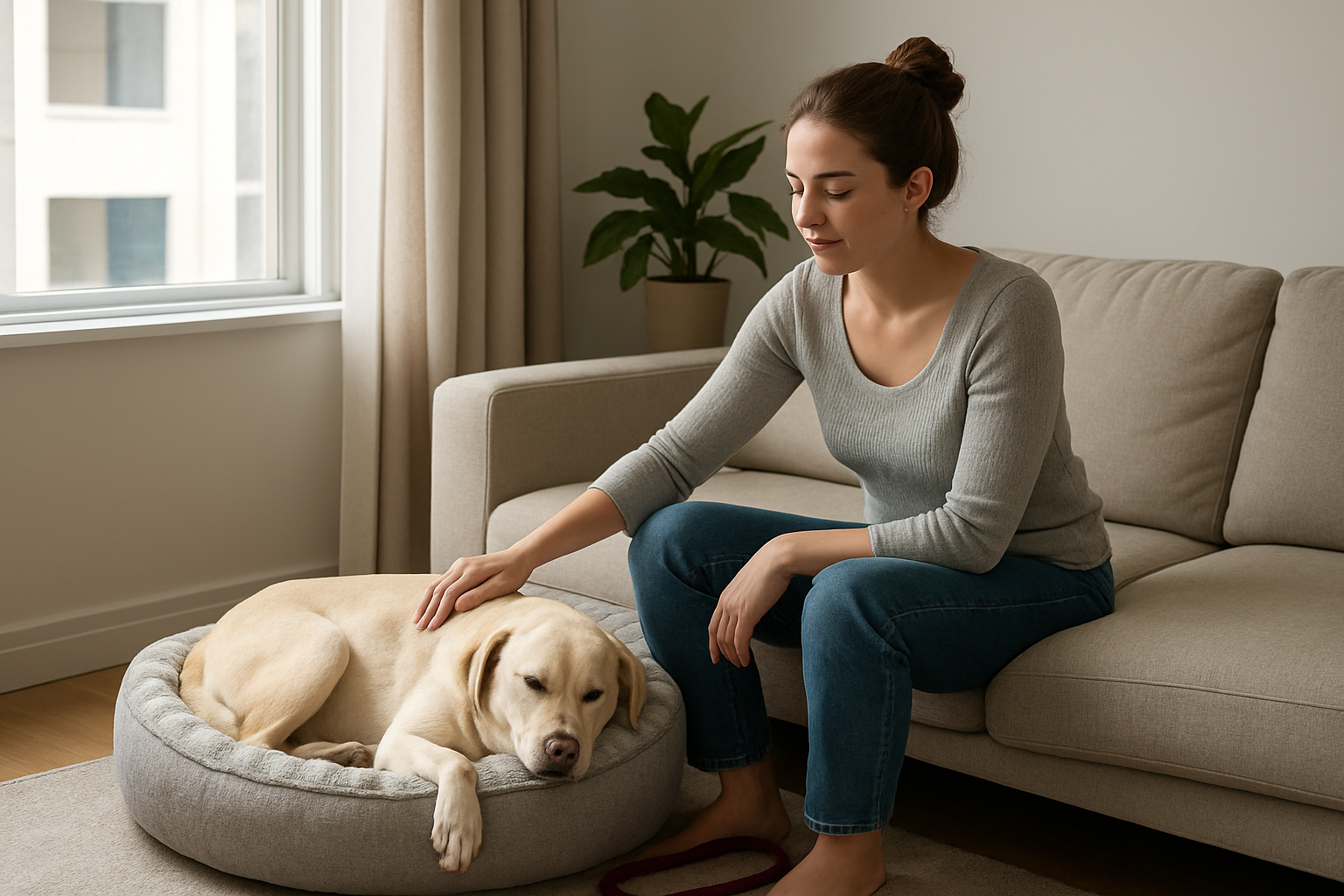
1. How to evaluate a quiet apartment dog
“Quiet” should mean more than a small dog that rarely barks in an ideal setting. Consider how the breed typically responds to strangers, other dogs, delivery noises, boredom, and being left alone. Genetics matter, but early socialization, daily routine, medical comfort, and training also influence vocal behavior.
Before choosing, check your lease for weight, breed, and noise restrictions. Also think about stairs, elevator access, nearby walking routes, hot weather, grooming costs, and how long the dog will spend alone on a normal weekday.
Our ranking gives the greatest weight to indoor composure and generally moderate vocal needs. It does not treat low exercise requirements as automatically better: a dog that is quiet but chronically bored may become destructive or distressed.
2. The 10 best quiet dog breeds for apartment dwellers
1. Cavalier King Charles Spaniel
Best for: First-time owners who want a friendly, adaptable companion.
Cavaliers are small enough for most apartments and often suit households that want a dog for walks, relaxation, and companionship rather than intense sport. Their affectionate nature can make them easy to live with, and the breed is commonly described as relatively quiet compared with more vocal small dogs. The AKC lists a typical height of 12–13 inches and weight of 13–18 pounds. Review the AKC breed profile before committing.
Limitations: They can struggle with long periods alone, shed, and need regular coat care. Ask a veterinarian about breed-associated health screening when speaking with breeders or rescues.
2. Greyhound
Best for: People who want a larger, calm indoor dog.
Greyhounds can surprise apartment shoppers because their height does not necessarily reflect constant indoor activity. Many are content to rest for much of the day when they receive regular walks and occasional opportunities to move safely in a secure area. Their short coat is straightforward to maintain, and they are often less persistently vocal than many alert small breeds.
Limitations: They need controlled exercise, safe leash handling, and protection from extreme weather. Their prey drive may make off-leash areas unsuitable unless fully secure.
3. French Bulldog
Best for: Compact homes with owners who prefer shorter, gentler outings.
French Bulldogs are compact, generally companion-oriented, and often happy to spend time near their owners. They can fit well into apartments when provided with brief walks, indoor enrichment, and consistent toilet routines. Their personality can be sociable without requiring the long daily exercise associated with high-drive working breeds.
Limitations: Flat-faced dogs may have breathing, heat, exercise, and anesthesia concerns. Snoring is also common in some individuals, so “quiet” should not be interpreted as silent. Choose health and function over exaggerated facial features, and seek veterinary advice for noisy breathing or heat intolerance.
4. Shih Tzu
Best for: Homebodies who want a small companion and can maintain a coat.
Shih Tzus are generally suited to indoor life and often enjoy a predictable routine of short walks, play, and rest. Their small size makes apartment logistics easier, while their companion-dog background can suit owners who want a dog that stays close.
Limitations: The coat requires regular brushing or professional trimming. Some individuals bark at hallway sounds, windows, or visitors, so early training and limiting visual triggers are important.
5. Japanese Chin
Best for: Quiet households seeking a small, less demanding companion.
The Japanese Chin is a small toy breed with a catlike, observant manner. It usually does not need extensive exercise and can adapt to indoor routines when given attention and gentle mental stimulation. Its compact size is helpful in elevators, smaller rooms, and travel situations.
Limitations: It may be sensitive to rough handling and can be reserved with unfamiliar people. Its facial structure also means you should monitor heat and breathing carefully.
6. Whippet
Best for: Active owners who want a quiet dog at home after exercise.
Whippets are athletic outdoors but often settle well indoors when their need for movement is met. They tend to be less territorially noisy than many small watchdog breeds and have a short, easy-care coat. A routine combining walks, safe running, and rest can work well in an apartment.
Limitations: They can be sensitive, chase small animals, and dislike cold weather. A secure harness and reliable management are essential.
7. Bichon Frise
Best for: Social owners who want a small, trainable dog and accept grooming duties.
Bichons are cheerful, portable, and often responsive to reward-based training. They can live successfully in apartments when their daily needs include walks, play, and short training sessions. Their coat may be a consideration for households concerned about visible shedding, although no dog is completely allergy-proof.

Limitations: Some Bichons bark when excited or left alone. Regular grooming is necessary, and separation training should begin early.
8. Maltese
Best for: Adults or quieter families wanting a very small indoor companion.
Maltese dogs need little floor space and can get meaningful enrichment through short walks, training games, and indoor interaction. Their small size makes daily handling straightforward, and a well-socialized adult may be comfortable in a calm apartment.
Limitations: They can become vocal if startled, under-stimulated, or overly dependent on one person. Their long coat needs frequent care, and their small frame may not suit homes with very young, boisterous children.
9. Boston Terrier
Best for: City residents who want a playful but compact companion.
Boston Terriers are adaptable and generally manageable in smaller homes when exercise is moderate and consistent. They often enjoy interactive play and short walks rather than long-distance activity. Their smooth coat also keeps grooming relatively simple.
Limitations: They may snore, snort, or make other breathing sounds, which is different from barking but still relevant in a quiet apartment. Heat sensitivity and excitement-related breathing problems deserve attention.
10. Basenji
Best for: Experienced owners who want less conventional barking.
Basenjis are famous for not producing a typical bark, but that does not make them silent. They can be intelligent, active, independent, and capable of yodel-like vocalizations. With sufficient exercise, training, and enrichment, they may work for a carefully prepared apartment household.
Limitations: This is not the easiest choice for a first-time owner. Boredom, escape attempts, chewing, and selective cooperation can become significant problems. Read the AKC Basenji breed information and meet adult dogs before deciding.
3. Compare the leading apartment-friendly choices
Use this table as a starting point rather than a guarantee. Individual dogs can fall outside typical breed patterns.
| Breed | Apartment strength | Daily activity | Grooming | Warning sign |
|---|---|---|---|---|
| Cavalier King Charles Spaniel | Affectionate and adaptable | Moderate | Moderate | Difficulty being alone |
| Greyhound | Calm indoors despite size | Moderate | Low | Unsafe off-leash access |
| French Bulldog | Compact and lower exercise | Low to moderate | Low | Heat or breathing problems |
| Shih Tzu | Strong indoor fit | Low to moderate | High | Alert barking at sounds |
| Whippet | Quiet after exercise | Moderate to high | Low | Cold sensitivity and chasing |
4. Match the breed to your daily routine
If you work long hours away from home, prioritize an adult dog whose alone-time behavior is already known rather than choosing only by breed. A dog walker, daycare, sitter, or gradual separation plan may be necessary. Puppies of every breed usually require frequent toilet breaks, supervision, and training.
If you have noise-sensitive neighbors, avoid relying on breed reputation alone. Ask a rescue organization or foster home about barking at doors, windows, people, dogs, and building sounds. A quieter floor plan, frosted window film, white noise, and reward-based “settle” training can reduce triggers.
If you want a dog for outdoor adventures, a low-barking breed may still need substantial exercise. Compare your plans with our guide to dog breeds for hiking and outdoor adventures rather than assuming an apartment-friendly dog will enjoy long hikes.
5. Common mistakes when choosing a quiet dog
- Choosing by size alone: Some small terriers and herding breeds are highly alert and vocal.
- Confusing low barking with low maintenance: Grooming, exercise, training, and health needs still matter.
- Ignoring separation behavior: A dog may be quiet with you present but vocalize when left alone.
- Buying for appearance: Extreme body shapes can create breathing, heat, mobility, or skin concerns.
- Skipping an adult-dog assessment: Foster notes and shelter observations can reveal more than a breed label.
6. Practical checklist before you decide
- Confirm your lease permits the breed, size, and number of pets.
- Listen for traffic, elevators, neighbors, and hallway activity in your building.
- Plan daily toilet breaks, exercise, enrichment, and alone-time training.
- Budget for grooming, veterinary care, insurance or emergency savings, and pet sitting.
- Meet the specific dog in a calm setting and ask about barking triggers.
- Prepare a quiet resting area away from the apartment’s busiest path.
7. What if the dog becomes noisy?
First identify the trigger instead of correcting every bark in the same way. Door sounds may call for desensitization; boredom may require more enrichment; pain, fear, or separation distress may need professional help. Avoid punishment that increases fear or anxiety.
For persistent barking, destructive behavior, panic, or sudden vocal changes, speak with a veterinarian and consider a qualified reward-based behavior professional. A medical check is especially important when vocal behavior changes abruptly or accompanies breathing difficulty, coughing, pain, or reduced activity.
Final recommendation by scenario
Best overall: Cavalier King Charles Spaniel, if you want a sociable, moderate-energy companion and can provide company and regular grooming.
Best larger apartment dog: Greyhound, provided you can offer safe walks and controlled opportunities to stretch out.
Best for lower exercise needs: French Bulldog, with careful attention to heat and breathing limitations.
Best small indoor companion: Shih Tzu, if coat maintenance fits your budget and schedule.
Best for experienced owners seeking unusual vocal habits: Basenji, but only when you are prepared for its activity, independence, and non-bark vocalizations.
The best quiet dog breeds for apartment dwellers are not simply the smallest or least energetic. Choose the individual dog whose noise level, exercise needs, health profile, and ability to settle match your building and your real weekday routine.