The best dog breeds for hiking and outdoor adventures are athletic, trainable, adaptable, and suited to the climate and terrain you use most. Labrador Retrievers are often the most balanced choice for many households, while Australian Shepherds, Australian Cattle Dogs, and Siberian Huskies may suit more demanding outdoor lifestyles.
Breed is only one part of the decision. Age, health, conditioning, leash skills, heat tolerance, and your preferred trail style matter just as much. This guide ranks practical options, explains the trade-offs, and helps you choose a dog that can enjoy outdoor activity without being pushed beyond its abilities.
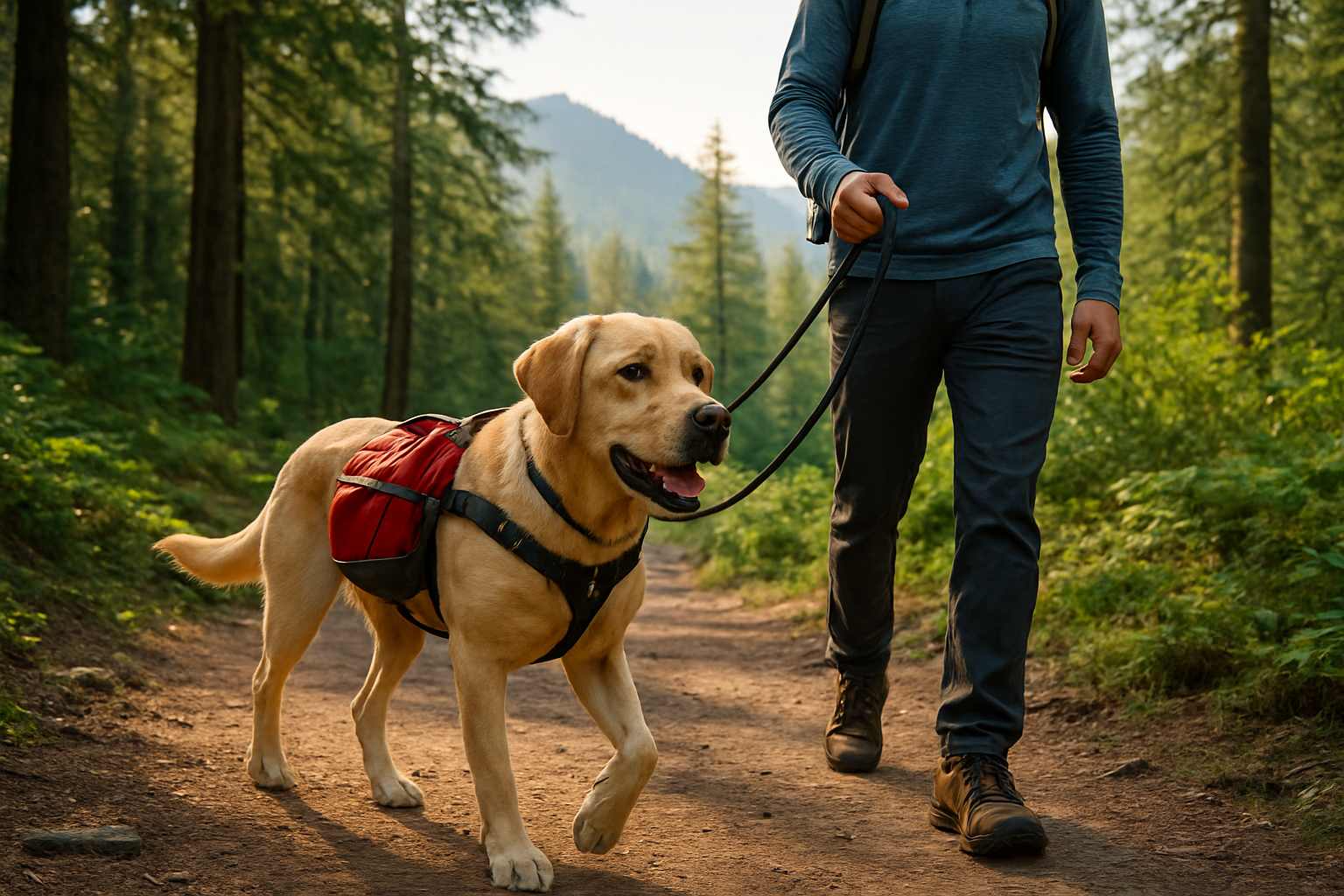
1. How to evaluate dog breeds for hiking
A good trail dog needs more than enthusiasm. Look for a combination of physical stamina, sound movement, a coat suited to your weather, willingness to learn, and a temperament that allows safe control around people, dogs, livestock, and wildlife.
For breed background, the American Kennel Club breed directory is a useful starting point, but it should not replace a veterinary assessment or conversations with responsible breeders and rescue professionals.
Use these criteria when comparing breeds:
- Endurance: Can the dog comfortably build toward the distance you normally hike?
- Trainability: Does it respond reliably to leash walking, recall, “leave it,” and stop cues?
- Climate fit: Is the coat and body type appropriate for heat, cold, rain, or snow?
- Trail behavior: Can you manage prey drive, herding instincts, reactivity, or independence?
- Daily needs: Will the dog receive enough mental and physical activity on non-hiking days?
2. The seven best dog breeds for hiking and outdoor adventures
1. Labrador Retriever
Best for: Versatile hiking, swimming, camping, and active families.
Labrador Retrievers are a strong all-round choice because they are generally athletic, people-oriented, and willing to participate in different activities. Their short, dense coat is practical around water and mud, although it still sheds and does not make them immune to cold or overheating.
Labs can suit beginners who are prepared to train and condition them gradually. Young dogs may be enthusiastic before their joints and endurance are ready for long, strenuous outings, so distance should increase in stages. See the AKC Labrador Retriever profile for general breed characteristics.
Limitations: Food motivation can contribute to weight gain, and an under-exercised Lab may become boisterous at home.
2. Australian Shepherd
Best for: Owners who want a highly trainable partner for hiking, agility, and varied outdoor work.
Australian Shepherds are intelligent, energetic, and often happiest when they have both movement and a task. They can be excellent on trails when taught to stay connected to their handler and ignore distractions.
The challenge is that a long walk may not satisfy every Australian Shepherd. Puzzle work, obedience practice, scent games, or organized dog sports may also be necessary. Their herding instincts can lead to chasing, circling, or trying to control children, runners, or other animals.
Limitations: They may be demanding for sedentary households and need consistent training rather than occasional exercise.
3. Australian Cattle Dog
Best for: Experienced owners planning rugged, active outings and regular training.
Australian Cattle Dogs are compact, tough, and built for sustained activity. Their alertness and problem-solving ability can make them capable trail companions, particularly for people who enjoy structured training and challenging terrain.
They are not automatically easy hiking dogs. Strong instincts, independence, and sensitivity to unfamiliar people or dogs can require careful socialization and management. A secure leash system and reliable emergency cues are especially important.
Limitations: Their intensity may be too much for first-time owners or homes that want a naturally relaxed companion.
4. Golden Retriever
Best for: Families seeking a friendly dog for moderate hiking, camping, and water-based activities.
Golden Retrievers are typically eager to work with people and can enjoy long walks, swimming, and outdoor exploration. Their sociable nature may make them easier to include in family activities than more independent or highly reactive breeds.
Their feathered coat needs regular brushing, especially after hikes involving burrs, wet vegetation, or mud. They may also be more vulnerable to heat than their enthusiasm suggests, so warm-weather outings should be shorter, shaded, and carefully paced.
Limitations: Grooming, shedding, and the risk of overexcitement around people or wildlife can complicate trail management.
5. Siberian Husky
Best for: Cool-weather hiking, winter activity, and experienced owners who understand independent working breeds.
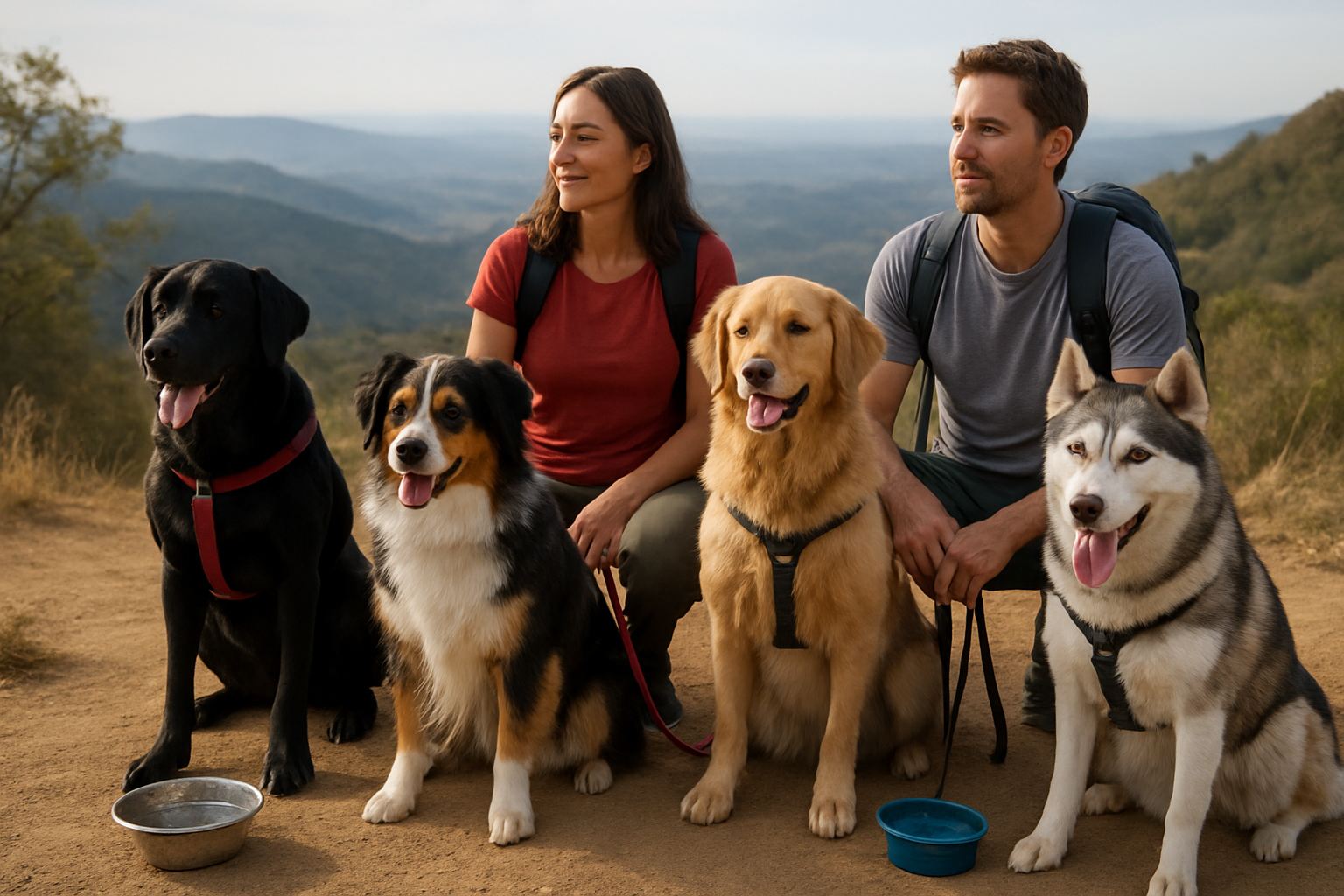
Siberian Huskies were developed for endurance in cold conditions and can be enthusiastic companions for winter walks and long outings. They are often energetic and physically capable, but their independence means they may not behave like a dog that naturally checks in with its handler.
Recall training can be difficult, especially around wildlife. Their thick double coat also requires sensible planning in warm weather. An owner who wants off-leash reliability in open country may find a Husky challenging.
Limitations: Escape behavior, pulling, prey drive, shedding, and poor heat tolerance can make them unsuitable for some homes and climates.
6. German Shorthaired Pointer
Best for: Running, fast-paced hiking, and highly active owners.
German Shorthaired Pointers are athletic, energetic dogs that often enjoy covering ground and learning active skills. They can be a good match for people who hike frequently and want a dog capable of running, retrieving, and participating in several forms of exercise.
Their energy level is a serious commitment. A short weekend hike may not balance a low-activity week, and hunting instincts can make wildlife encounters difficult without training. They also have less insulation than heavily coated breeds in cold or wet conditions.
Limitations: They may become restless or destructive if their daily physical and mental needs are underestimated.
7. Standard Poodle
Best for: Active households wanting an intelligent, athletic dog with a lower-shedding coat.
Standard Poodles can be capable hiking and water-sport partners. They are usually quick learners and can adapt to different activities when their conditioning and grooming are managed properly.
Their coat is not maintenance-free. It can collect burrs, seeds, and moisture, so regular trimming and post-hike checks are part of ownership. Some individuals may also be sensitive or cautious in unfamiliar environments, making early socialization valuable.
Limitations: Grooming takes time, and individual temperament varies considerably.
Here is a practical comparison of the main trade-offs:
| Breed | Best outdoor fit | Training demand | Climate note | Warning sign |
|---|---|---|---|---|
| Labrador Retriever | General hiking, swimming, camping | Moderate | Adaptable, but watch heat and weight | Assuming enthusiasm equals conditioning |
| Australian Shepherd | Technical trails and active training | High | Needs heat management and coat care | Herding or chasing trail users |
| Australian Cattle Dog | Rugged terrain and structured activity | High | Generally hardy, but monitor heat | Reactivity or poor socialization |
| Golden Retriever | Family outings and water activities | Moderate | Dense coat can make hot weather harder | Overheating while still eager to continue |
| Siberian Husky | Cold-weather endurance | High | Best suited to cooler conditions | Unreliable recall or escape behavior |
| German Shorthaired Pointer | Running and high-mileage exercise | High | Needs protection in cold, wet weather | Restlessness between outings |
| Standard Poodle | Hiking, swimming, varied activities | Moderate to high | Coat needs regular maintenance | Matting or burrs after trail use |
3. Prepare the dog, not just the gear
Start with short walks on familiar surfaces, then add distance, hills, uneven ground, and distractions one variable at a time. A dog that can walk for an hour on pavement may still need preparation for rocks, heat, stream crossings, or steep descents.
Practice loose-leash walking, “leave it,” “wait,” “watch me,” and a dependable recall. The AKC hiking training guide outlines trail-specific skills that are useful before attempting longer routes.
- Check paws, nails, coat, and body condition after every outing.
- Carry water for both of you, a collapsible bowl, waste bags, identification, and a basic first-aid kit.
- Use a secure leash and harness or collar; do not rely on off-leash behavior where rules prohibit it.
- Check trail regulations before leaving. The National Park Service guidance for hiking with pets covers leashes, water, waste, wildlife, and overheating.
4. Safety limits that should change your plan
Heat, humidity, age, excess weight, short noses, heart or breathing problems, and orthopedic conditions can all reduce a dog’s safe exercise capacity. The AVMA warm-weather safety guidance advises avoiding the hottest part of the day and taking frequent breaks with water.
Stop if your dog becomes unusually weak, confused, uncoordinated, vomits, or pants excessively. Move to a cooler area and contact a veterinarian promptly; severe heatstroke signs require emergency veterinary care.
5. Common mistakes when choosing a hiking dog
- Choosing a breed based only on appearance or a reputation for being energetic.
- Assuming a puppy can safely complete adult-level distances.
- Ignoring the dog’s needs on non-hiking days.
- Planning hot-weather adventures for a cold-adapted or short-nosed dog.
- Expecting recall without practicing around wildlife, people, and other dogs.
- Forgetting that some parks and trails restrict dogs or require a leash.
6. Checklist before your first serious hike
- Confirm your veterinarian considers the dog fit for the planned activity.
- Build distance gradually and schedule rest days.
- Check weather, surface temperature, water access, wildlife, and trail rules.
- Pack water, bowl, food, waste bags, identification, leash, paw protection if needed, and first aid.
- Choose a turnaround point before the dog shows fatigue.
7. Final recommendation by scenario
Choose a Labrador Retriever if you want the broadest balance of trainability, athleticism, and family compatibility. Choose a Golden Retriever for a friendly family adventure dog, an Australian Shepherd for demanding training and varied activities, or an Australian Cattle Dog if you are experienced with intense working breeds.
For cold-weather endurance, consider a Siberian Husky; for running and high-mileage activity, a German Shorthaired Pointer; and for an athletic lower-shedding option, a Standard Poodle. The best dog breeds for hiking and outdoor adventures are ultimately the ones whose health, temperament, and daily needs fit your real routine—not just your ideal weekend.
For more practical pet-care guidance, visit the LaokPet homepage or compare everyday dog-care needs in Cat vs Dog: Which Pet Is Easier to Care For?.