To safely introduce a new dog to your existing dog, begin on neutral ground, use two handlers, keep the first meeting calm and brief, and separate food, toys, beds, and resting areas at home. Do not expect the dogs to become comfortable immediately. The goal is steady, low-pressure progress rather than instant friendship.
A careful introduction reduces competition and gives both dogs time to read each other’s body language. This guide explains how to prepare your home, arrange the first meeting, manage the first several days, recognize useful progress, and respond if the dogs become tense.
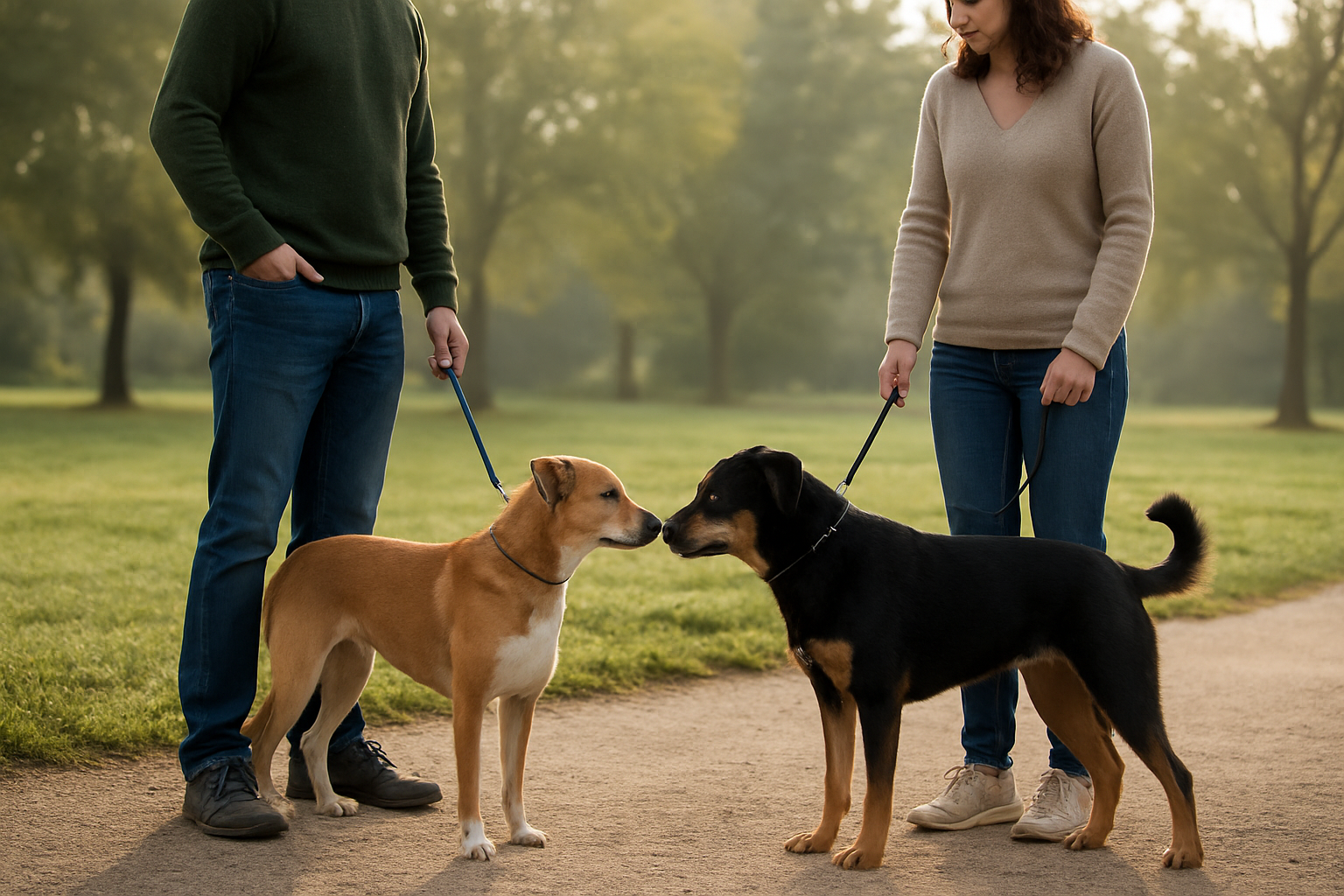
1. Check compatibility before the dogs meet
A successful introduction begins with realistic expectations. Consider each dog’s age, size, energy level, health, play style, confidence, and history with other dogs. A quiet senior dog may struggle with an exuberant puppy, while two highly energetic dogs may become overexcited together.
If your existing dog has a history of biting, serious fights, intense fear, or unpredictable reactions around dogs, do not rely on a casual introduction. Ask your veterinarian for guidance and consider working with a qualified veterinary behaviorist or reward-based behavior professional before bringing the dogs together.
| What to evaluate | What to look for | Warning sign |
|---|---|---|
| Energy level | Similar needs for exercise and play | One dog constantly overwhelms the other |
| Social history | Comfort around calm, appropriate dogs | Repeated lunging, snapping, or panic |
| Resources | Ability to eat, rest, and play without guarding | Stiffening, hovering, growling, or rushing toward items |
| Health | Both dogs are well enough for a controlled meeting | Pain, illness, or mobility problems that may lower tolerance |
2. Prepare the home before the new dog arrives
Set up separate spaces before the first day. Use baby gates, exercise pens, crates, or closed doors so each dog can rest without being followed. Give both dogs their own bed, water bowl, feeding area, and escape route.
Remove items that could trigger competition during the first few days. This includes bones, food puzzles, favorite toys, bowls, and anything either dog guards. You can reintroduce selected items later, one at a time, while supervising.
- Plan where each dog will sleep.
- Prepare separate feeding locations.
- Secure doors, fences, and gates to prevent escapes.
- Keep lightweight leads, treats, and cleaning supplies ready.
- Arrange individual walks and one-to-one attention for both dogs.
Before the meeting, confirm that the new dog’s veterinary and vaccination needs have been discussed with a veterinarian. If you are adopting from a shelter or rescue, ask about the dog’s known behavior around other dogs and request a controlled meet-and-greet when possible.
3. Start with scent and distance
Dogs gather important information through scent, so a gradual scent introduction can reduce the intensity of the first face-to-face meeting. Exchange bedding or allow each dog to investigate a cloth carrying the other dog’s scent. Keep the experience casual and never force either dog to sniff.
On meeting day, avoid placing the dogs nose-to-nose at a doorway or inside the existing dog’s home. A neutral outdoor area with enough room to move away is usually easier than a narrow hallway or small yard. The RSPCA recommends calm, gradual introductions on neutral territory with at least two people handling the dogs. See its dog-introduction factsheet for additional preparation guidance.
4. Conduct the first meeting step by step
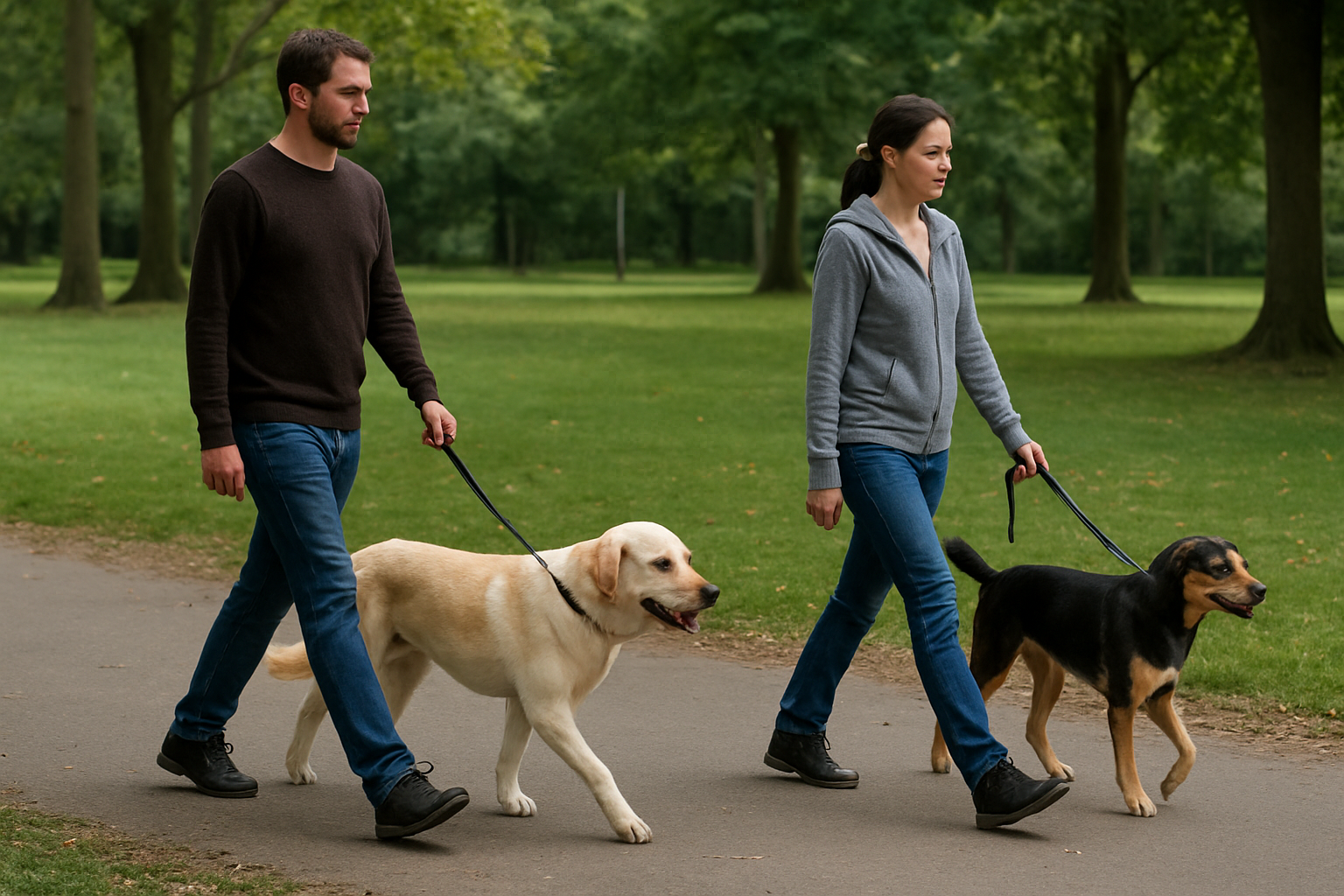
Begin with a parallel walk
Have one adult handle each dog. Walk in the same direction with several feet between them, rewarding loose leads and calm attention. Do not drag the dogs toward each other; reduce the distance only when both bodies remain relaxed.
Watch body language
Useful signs include soft facial muscles, a loose body, normal sniffing, curved movement, and the ability to look away. Concerning signs include a fixed stare, rigid posture, raised hackles combined with tension, repeated lunging, tucked posture, frantic avoidance, or prolonged growling.
A growl is information, not a behavior to punish. Calmly increase distance and allow both dogs to settle. Punishing warning signals can make future reactions harder to predict.
Allow a brief greeting
When both dogs appear comfortable, allow a short sniff, then cheerfully call them apart and continue walking. Repeat several brief greetings instead of allowing a long, intense interaction. If either dog becomes tense, return to parallel walking or end the session.
Stop immediately if there is a bite, repeated snapping, a sustained fight, or a dog cannot disengage. Do not put your hands between fighting dogs. Use barriers, distance, or a safely applied interruption strategy and seek professional help before trying again.
5. Enter the home without creating competition
After a calm outdoor session, walk the dogs home together if practical. Remove toys, bones, and food from the entry area. Let them enter with space between them rather than allowing the new dog to rush through the door.
Keep the first indoor period short and supervised. Let the dogs explore separately or together only while their body language remains relaxed. Use gates and planned breaks before either dog becomes tired or overexcited.
VCA Animal Hospitals advises separate feeding because food can become a source of conflict. Its guidance also emphasizes considering each dog’s temperament, activity level, and access to valued resources when adding a dog to the household. Read the VCA introduction guide for veterinary behavior details.
6. Manage the first week carefully
For the first several days, supervise all shared time. Separate the dogs whenever you leave the house, go to sleep, feed them, or give them high-value chews. A successful first meeting does not prove that unsupervised interaction is safe.
Keep routines predictable. Give the existing dog normal walks, rest, training, and individual affection so the new arrival does not suddenly control all household attention. Give the new dog quiet time to learn the environment without constant interaction.
- Feed in separate rooms with doors or gates closed.
- Provide multiple beds and water stations.
- Reward calm behavior when the dogs are near each other.
- Interrupt chasing, body-slamming, or relentless pestering early.
- Schedule separate exercise if joint activity causes over-arousal.
7. Use progress checkpoints instead of a fixed timetable
Some dogs settle within days, while others need weeks or longer. Move forward when both dogs can share space while eating, resting, responding to their handlers, and disengaging from each other without tension.
Stay at the current stage if one dog repeatedly hides, freezes, guards resources, refuses food, or becomes more reactive after each session. Progress may mean shorter meetings, more distance, better barriers, or professional support—not simply more exposure.
Common mistakes to avoid
- Introducing them directly inside the existing dog’s home.
- Forcing face-to-face contact or holding dogs tightly together.
- Leaving toys, bones, or food on the floor during early interactions.
- Assuming play is safe because both dogs are moving quickly.
- Allowing the new dog to constantly pester a tired or older dog.
- Punishing growling instead of calmly creating distance.
- Leaving the dogs alone together too soon.
What if the introduction is not going well?
If the dogs bark or pull toward each other, increase distance and reward any calm pause. If one dog avoids the other, provide an escape route and stop blocking access to safe areas. If conflict occurs around food, furniture, toys, or people, remove the trigger and manage that resource separately.
Contact a veterinarian or qualified behavior professional if there is a bite, repeated aggressive escalation, serious fear, guarding that cannot be managed, or no improvement despite careful separation and gradual work. A professional can identify medical factors, design a safer plan, and help you decide whether the arrangement is appropriate.
Practical checklist before you begin
- Two capable handlers are available.
- A neutral, low-traffic meeting place is ready.
- Both dogs have secure, comfortable equipment.
- Food, toys, and chews have been removed from shared areas.
- Separate rooms, gates, or crates are prepared.
- You have planned individual exercise and attention.
- You know which body-language signs mean “increase distance.”
Next actions for a safer introduction
- Write down each dog’s likely triggers, energy level, and resource concerns.
- Prepare separate resting and feeding spaces today.
- Arrange a neutral meeting with two handlers.
- Begin with parallel walking and reward calm behavior.
- Use short greetings followed by movement and breaks.
- Continue gates, separate meals, and supervision at home.
- Book professional behavior support if either dog shows repeated fear or aggression.
The safest way to introduce a new dog to your existing dog is to control the environment, slow down the interaction, and protect each dog’s ability to retreat. Calm parallel walking, separate resources, and carefully supervised home time give the relationship the best chance to develop without unnecessary pressure.
For related preparation, see our guide on making a dog-friendly first-aid kit and our practical advice on training a puppy.
Pingback: Beagle vs Cocker Spaniel: Which Dog Is Better for Your Family? – LaokPet
Pingback: Best Dog Breeds for First-Time Owners: 7 Practical Choices for Different Lifestyles – LaokPet