The best dog breeds for running companions are usually athletic, trainable, medium-to-large dogs with good endurance, such as the German Shorthaired Pointer, Vizsla, Labrador Retriever, and Australian Shepherd. However, the right choice depends just as much on your running style, climate, training routine, and the individual dog as it does on breed.
This guide ranks practical options for different types of runners. You will also find selection criteria, limitations, a comparison table, safety advice, and a simple way to decide whether a breed is suited to short jogs, long road runs, or trail work.
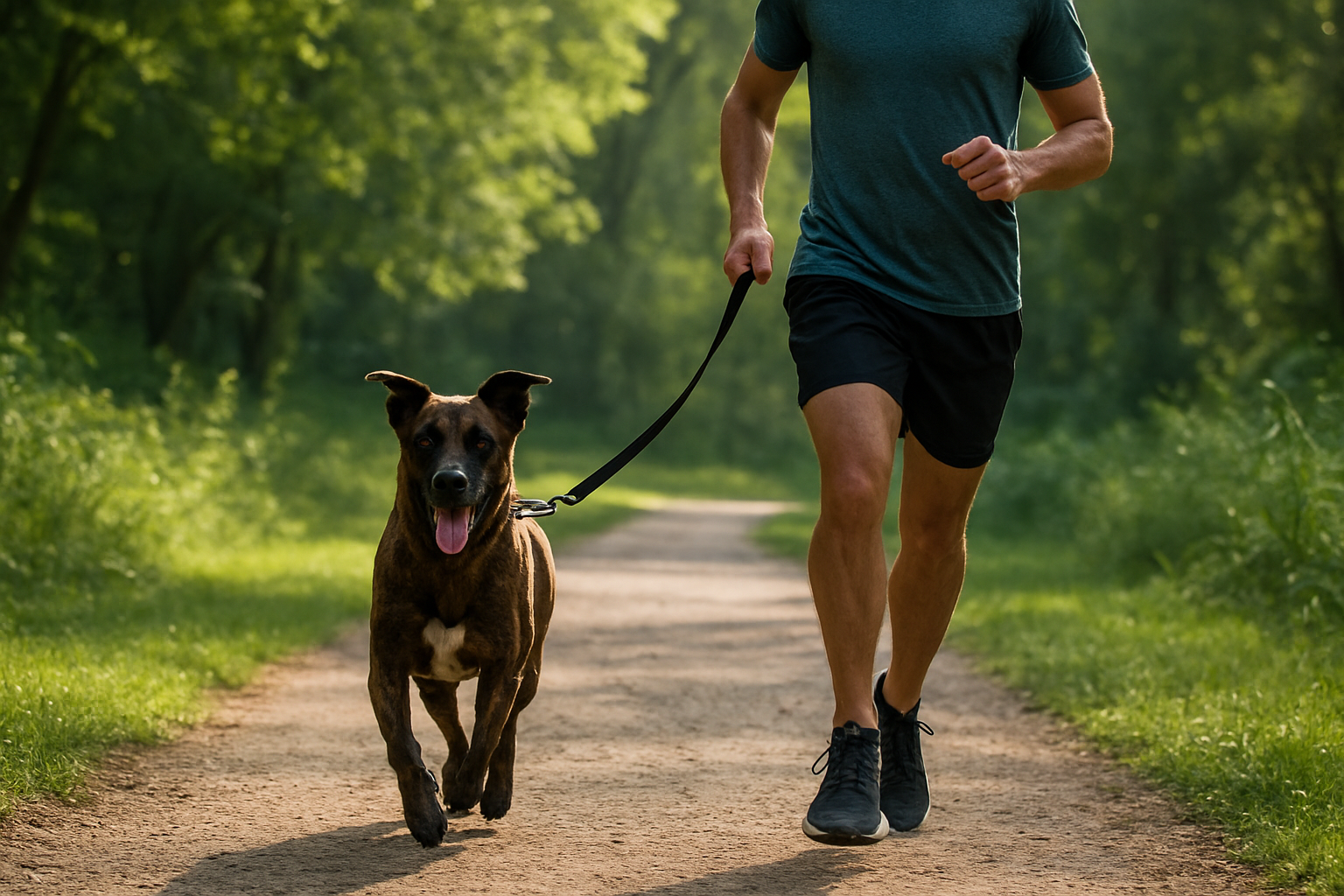
1. Decide what kind of running companion you need
“Good for running” is not one single category. A dog that suits a relaxed three-mile jog may not be the best partner for half-marathon training, technical trails, hot weather, or busy urban routes.
- Short road runs: Look for a willing, manageable dog that can settle after exercise.
- Long-distance running: Prioritize endurance, efficient movement, and gradual conditioning.
- Trail running: Choose a dog with coordination, reliable recall, and confidence on uneven ground.
- Family activity: Consider sociability, trainability, grooming, and the dog’s ability to relax indoors.
- Hot or humid climates: Be more cautious with heavy coats, very dark coats, and short-nosed breeds.
Breed tendencies are useful starting points, not guarantees. A healthy mixed-breed dog may be an excellent running partner, while an individual dog from an athletic breed may prefer walking or play-based exercise.
2. Use these criteria before choosing a breed
The ranking below weighs five practical factors: endurance, body structure, trainability, adaptability to different routes, and how realistic the breed is for an average active household. Health screening and temperament matter more than a breed’s reputation for speed.
Before committing to a new running routine, arrange a veterinary check, especially if the dog is young, older, overweight, recovering from injury, or new to strenuous exercise. Veterinary sources also advise building gradually rather than moving directly from ordinary walks to long runs. See the American Kennel Club’s running-dog guidance and VCA’s advice on running with dogs for additional health and conditioning considerations.
3. The 7 best dog breeds for running companions
These are ranked for overall usefulness, not maximum speed. Each breed still needs individual assessment, responsible conditioning, and suitable training.
1. German Shorthaired Pointer
Best for: Distance runners and outdoor athletes
The German Shorthaired Pointer is one of the strongest all-around choices for an active runner. Its sporting background supports stamina, speed, and enthusiasm for extended outdoor activity. The breed is typically eager to work and can enjoy road running, hiking, swimming, and field activities.
The main limitation is that exercise alone may not satisfy this dog. Training games, scent work, retrieving, and structured off-leash activity may also be needed. A poorly exercised pointer can become restless, distracted, or difficult to manage on a leash.
2. Vizsla
Best for: Runners wanting an affectionate, close-working partner
Vizslas are athletic, responsive, and often happy to stay connected to their person during outdoor activities. Their lean build and sporting heritage make them suitable for steady jogging and longer runs once properly conditioned. They can also fit well into households that want an active dog with strong companionship qualities.
They are sensitive and may not respond well to harsh training. They also need meaningful daily interaction, so this is not an ideal breed if you only want a dog for occasional weekend exercise.
3. Labrador Retriever
Best for: Versatile family homes that enjoy running and other activities
A fit Labrador Retriever can be an adaptable running partner, particularly for moderate-distance road runs, hiking, swimming, and fetch. The breed is generally trainable and sociable, which can make early leash education easier than with some more independent working breeds.
Weight management is important. Labradors can gain weight readily, and extra body weight increases the physical demands of running. Their enthusiasm can also exceed their conditioning, so keep early sessions controlled rather than allowing a young or unfit dog to sprint until exhausted.
4. Australian Shepherd
Best for: Trail runners who want training and mental engagement
The Australian Shepherd brings agility, responsiveness, and strong work motivation to outdoor activities. A well-trained individual may enjoy trail runs, hill work, and varied routes that provide both physical and mental stimulation.
This breed’s intelligence is both an advantage and a responsibility. Australian Shepherds may herd cyclists, chase movement, or become overexcited without clear boundaries. Build reliable recall, loose-leash skills, and calm behavior before using busy trails.
5. Border Collie
Best for: Experienced owners who enjoy demanding training
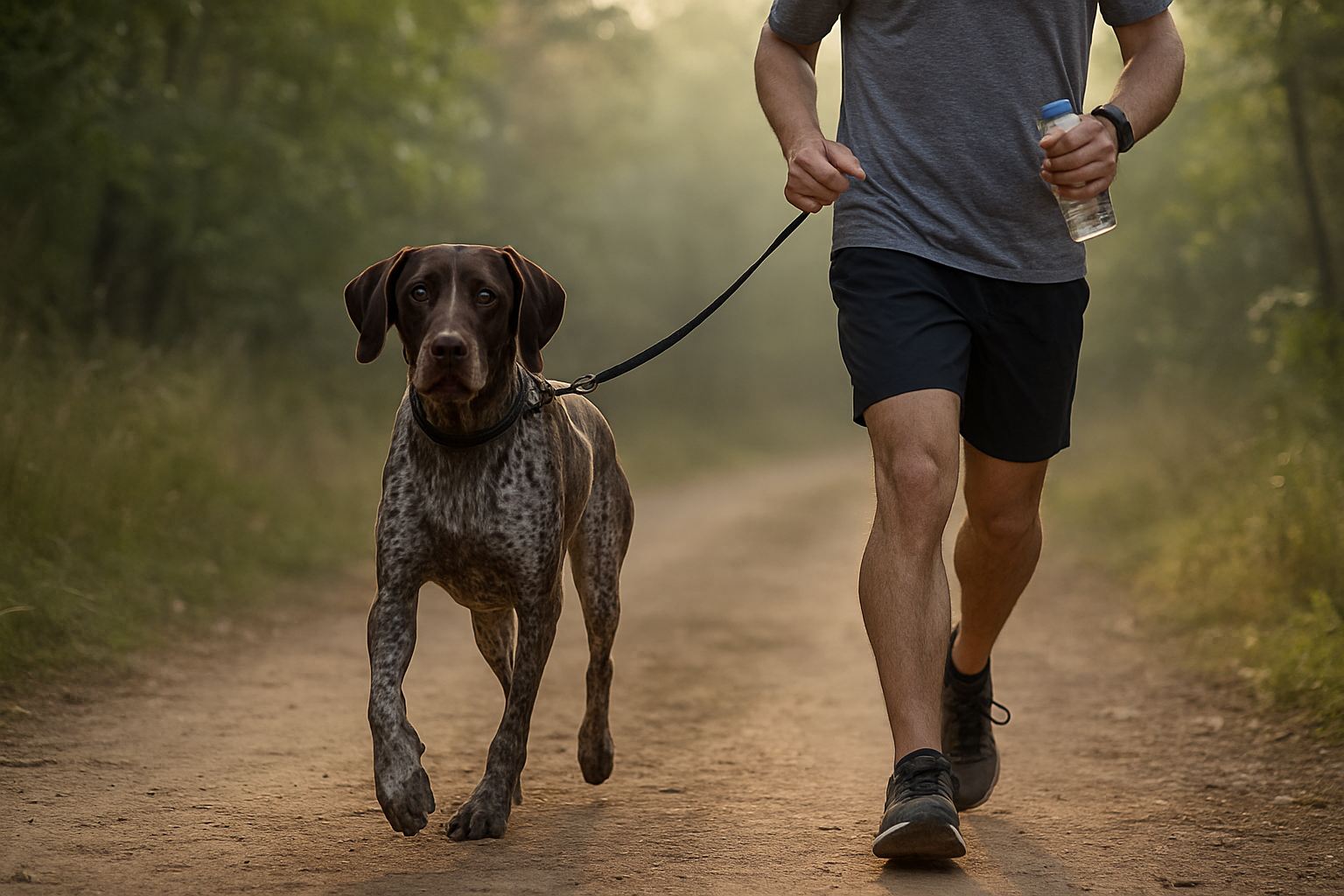
Border Collies are highly athletic and capable of learning precise running manners, direction changes, and trail routines. They can be excellent companions for active owners who want more than a simple jog and are prepared to provide regular problem-solving activities.
They are not automatically easy running dogs. Their intense focus and sensitivity can lead to chasing, fixation, or frustration if exercise lacks structure. Running should be combined with obedience, scent games, trick training, or an appropriate dog sport.
6. Weimaraner
Best for: High-energy owners seeking a larger running partner
The Weimaraner has the athletic build and drive for energetic outdoor lifestyles. It may suit runners who want a dog capable of keeping pace over longer outings and participating in hiking or field activities.
The breed can be demanding at home, particularly when young. Separation concerns, pulling, jumping, and overexcitement are possible challenges. Choose this breed only if you can provide consistent training and companionship outside the running session.
7. Greyhound
Best for: Short, faster runs and owners who value a calm indoor dog
Greyhounds are built for speed and may enjoy brief, controlled runs in a secure area. Many are surprisingly relaxed indoors after appropriate activity, which can appeal to runners who do not want a constantly busy housemate.
They are not the best choice for every type of distance running. Their sprinting style, thin coat, and limited tolerance for rough terrain mean that route, weather, and pace require care. A secure leash setup is essential because many Greyhounds have strong chase instincts.
Here is a practical comparison of the leading options.
| Breed | Running strengths | Best route or distance | Warning sign |
|---|---|---|---|
| German Shorthaired Pointer | Endurance, athleticism, enthusiasm | Road, trail, longer runs | Restlessness without broader daily work |
| Vizsla | Close partnership, stamina, responsiveness | Road and moderate-distance runs | Sensitivity or distress when left alone |
| Labrador Retriever | Trainability, versatility, sociability | Road, park, hiking | Weight gain or overexcitement |
| Australian Shepherd | Agility, focus, trail ability | Trails and varied terrain | Herding or chasing moving targets |
| Border Collie | Precision, speed, mental engagement | Structured trails and training runs | Fixation, anxiety, or compulsive behavior |
| Weimaraner | Power, pace, high activity tolerance | Longer outdoor sessions | Destructive behavior when understimulated |
| Greyhound | Acceleration and short bursts | Short, fast runs | Chasing, cold sensitivity, rough surfaces |
4. Build running ability safely
Do not treat breed potential as current fitness. Start with brisk walks, then alternate short jogging intervals with walking. Increase only one factor at a time—duration, distance, speed, or terrain—while watching how the dog moves during the run and later that day.
Puppies should not be taken on sustained runs while their bones and joints are still developing. Older dogs may need a lower-impact routine, and any dog showing limping, unusual stiffness, weakness, repeated stopping, vomiting, or reluctance to continue should stop exercising and be assessed by a veterinarian.
Heat deserves special attention. Run during cooler parts of the day, carry water, provide breaks, and avoid hot pavement. Signs such as heavy or worsening panting, weakness, confusion, vomiting, diarrhea, tremors, or collapse can indicate a serious heat-related problem; seek urgent veterinary care if they occur. The UC Davis School of Veterinary Medicine’s heat-stroke guidance explains why exertional overheating can become life-threatening.
5. Buyer guide: what to check before choosing a dog
- Health history: Ask about orthopedic, eye, heart, and breed-relevant screening where appropriate.
- Adult size and structure: Look for efficient movement, sound proportions, and a muzzle suited to exercise.
- Temperament: A dog that can focus around people, dogs, wildlife, and traffic is safer than one selected for energy alone.
- Daily schedule: Confirm that you can provide activity and training on non-running days.
- Climate: Consider heat, humidity, snow, pavement, and the dog’s coat and breathing characteristics.
- Leash skills: Running requires loose-leash behavior, reliable stops, and a safe response to distractions.
If you are still preparing for a puppy, a secure play area can help with rest and house training; see our guide to choosing a practical puppy playpen. For broader dog-care advice, visit the LaokPet homepage.
6. Common selection mistakes
- Choosing the fastest-looking breed instead of the one that matches your schedule.
- Assuming a high-energy dog will exercise itself without training or companionship.
- Starting with distance running before checking fitness, weight, joints, and gait.
- Ignoring heat, pavement temperature, paw condition, or poor traction.
- Using a hands-free leash before the dog can run calmly without pulling.
- Expecting a puppy to become a distance runner immediately.
7. What if your dog is not suited to running?
Running is not the only useful exercise. Replace it with brisk walking, swimming, hiking at a controlled pace, nose work, retrieving, obedience games, or short training sessions. For dogs with joint or breathing limitations, ask your veterinarian whether low-impact activity is more appropriate.
If your dog pulls, lunges, or chases while running, return to walking practice and teach loose-leash skills first. A well-fitted harness, reflective equipment in low light, and a route with good footing can improve safety, but equipment does not replace training.
8. Final recommendation by scenario
- Best overall for serious outdoor activity: German Shorthaired Pointer.
- Best affectionate running partner: Vizsla.
- Best family-friendly all-rounder: Labrador Retriever.
- Best for trail running and training games: Australian Shepherd.
- Best for highly experienced handlers: Border Collie.
- Best for a larger, very active household: Weimaraner.
- Best for short fast outings and calm indoor time: Greyhound.
The best dog breeds for running companions are those that fit your pace, environment, and ability to provide training every day. Start with health and temperament, add conditioning gradually, and choose the breed whose complete lifestyle—not just its athletic reputation—matches yours.