The best small dog breeds for apartment living are usually adaptable, trainable dogs whose exercise and noise levels match your daily routine. Havanese, Cavalier King Charles Spaniels, Toy Poodles, and well-socialized adult rescue dogs are strong starting points, but the right choice depends on more than size.
Apartment suitability is shaped by energy, barking, separation tolerance, grooming, and your access to outdoor space. This guide ranks seven small breeds, explains the trade-offs, and gives you a practical way to narrow the list before you contact a breeder or rescue organization.
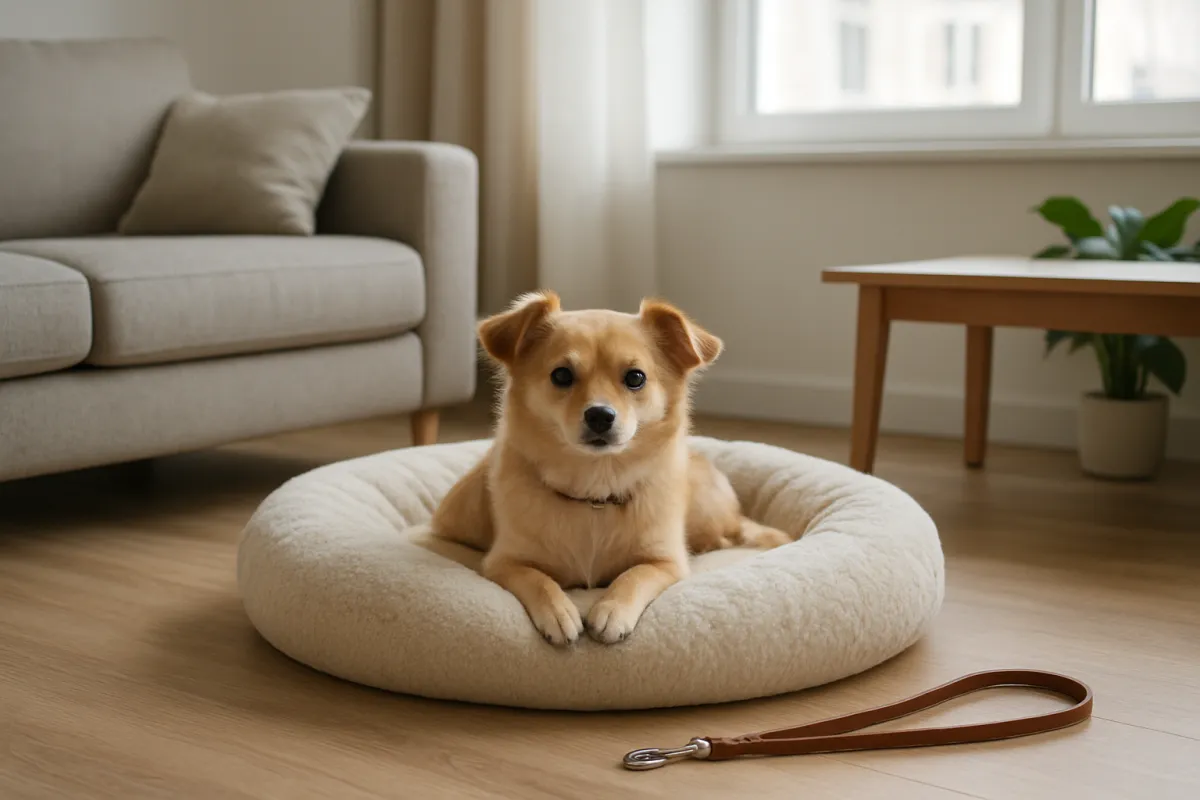
1. Set your apartment-dog criteria before choosing a breed
A small body does not automatically mean an easy apartment dog. Some tiny breeds are vocal, energetic, or easily frustrated when left alone. Conversely, some larger dogs can adapt well when their exercise and training needs are met.
Use these criteria to compare breeds:
- Daily activity: Can you provide walks, play, and short training sessions every day?
- Noise: Is your building sensitive to barking, hallway sounds, or excited greetings?
- Alone time: How long will the dog regularly be without company?
- Maintenance: Are you prepared for brushing, clipping, dental care, and routine veterinary costs?
- Practical access: Do you have an elevator, nearby green space, secure potty area, or stairs?
The American Kennel Club’s apartment-dog guidance also emphasizes that lifestyle and energy level matter as much as the floor plan. Before adoption, consider the long-term time and financial commitment described by Blue Cross’s dog-selection advice.
2. Compare the best small dog breeds for apartment living
The ranking below is a practical starting point, not a guarantee of temperament. Individual dogs vary because age, socialization, training, breeding, and previous experiences all influence behavior.
Comparison snapshot:
| Breed | Activity level | Noise risk | Grooming | Best for |
|---|---|---|---|---|
| Havanese | Moderate | Moderate | Moderate to high | Sociable households |
| Cavalier King Charles Spaniel | Moderate | Low to moderate | Moderate | First-time owners |
| Toy Poodle | Moderate to high | Moderate | High | Trainability and mental stimulation |
| Maltese | Low to moderate | Moderate to high | High | Very small homes |
| Boston Terrier | Moderate | Low to moderate | Low | Playful, short-coated companions |
| Shih Tzu | Low to moderate | Moderate | High | Calmer households |
| French Bulldog | Low to moderate | Low to moderate | Low | Owners prepared for health management |
1. Havanese
Best for: Sociable owners who want a friendly, adaptable companion.
Havanese are often a good apartment match because they are small, people-oriented, and usually satisfied with a combination of walks, indoor play, and training. Their coat can be kept in different styles, but regular brushing and professional grooming may be necessary.
The main limitation is companionship. A Havanese may struggle if left alone for long periods, and some individuals alert-bark at hallway activity. Early alone-time training and exposure to ordinary building sounds are important.
2. Cavalier King Charles Spaniel
Best for: First-time owners seeking a gentle, affectionate dog.
Cavaliers are typically responsive, companionable, and able to settle after moderate exercise. They can suit apartments particularly well when you provide daily walks and prevent them from becoming dependent on constant attention.
Do not choose this breed based only on its calm appearance. Cavaliers require health-focused breeder research and routine veterinary care. A responsible source should be willing to discuss breed-specific screening and the health history of the parents.
3. Toy Poodle
Best for: Owners who enjoy training and interactive activities.
Toy Poodles are compact, intelligent, and often highly trainable. In an apartment, puzzle feeding, scent games, trick training, and structured walks can help meet their needs without requiring a large yard.
The trade-off is maintenance and mental stimulation. Their coat needs regular brushing and clipping, and an under-stimulated Poodle may bark, chew, or invent its own activities. This is a small dog with a substantial need for engagement.
4. Maltese
Best for: People who want a very small indoor companion.
Maltese can work well in smaller apartments because they need limited physical space and often enjoy short walks mixed with indoor companionship. Their small size can also make handling and travel more manageable.
Coat care is the major consideration. A long coat requires frequent brushing, while a shorter trim still needs routine maintenance. Some Maltese are also quick to alert at sounds, so reward-based quiet training should begin early.
5. Boston Terrier
Best for: Active owners who want a playful dog with a low-maintenance coat.
Boston Terriers are compact, lively, and often entertaining without needing all-day exercise. Their short coat is relatively simple to maintain, and many enjoy a mix of walks, games, and relaxed time at home.
They can be excitable and may not suit neighbors who need complete quiet. Because they have a shortened muzzle, you should discuss breathing, heat tolerance, and exercise limits with a veterinarian, especially in warm weather.
6. Shih Tzu
Best for: Quieter households that can commit to coat and face care.
Shih Tzus are generally suited to indoor living and often prefer companionship over strenuous activity. They may be a reasonable choice for someone who wants a smaller dog for short walks and home-based interaction.
However, grooming is not optional. Regular brushing, eye-area care, and professional trimming may be needed. Their flat-faced structure also means you should pay attention to breathing, heat, and exercise tolerance rather than assuming low energy means low care.
7. French Bulldog
Best for: Experienced owners who understand flat-faced breed health risks.
French Bulldogs are often considered apartment-friendly because they do not require long-distance exercise and can be content in a modest home. Their social nature can also make them pleasant companions when their daily routine is consistent.
Health is the central limitation. Flat-faced dogs may experience breathing difficulty, heat intolerance, skin problems, eye issues, and other conformational concerns. The AVMA’s discussion of brachycephalic health screening explains why breathing problems should not be dismissed as normal for the breed. Ask a veterinarian about warning signs before making a decision.
3. Match the breed to your actual routine
Start with your weekday schedule, not your ideal weekend. If you work away from home, a puppy may need midday care, toilet breaks, and gradual alone-time training. An adult dog with a known behavior profile can sometimes be a more predictable apartment choice.
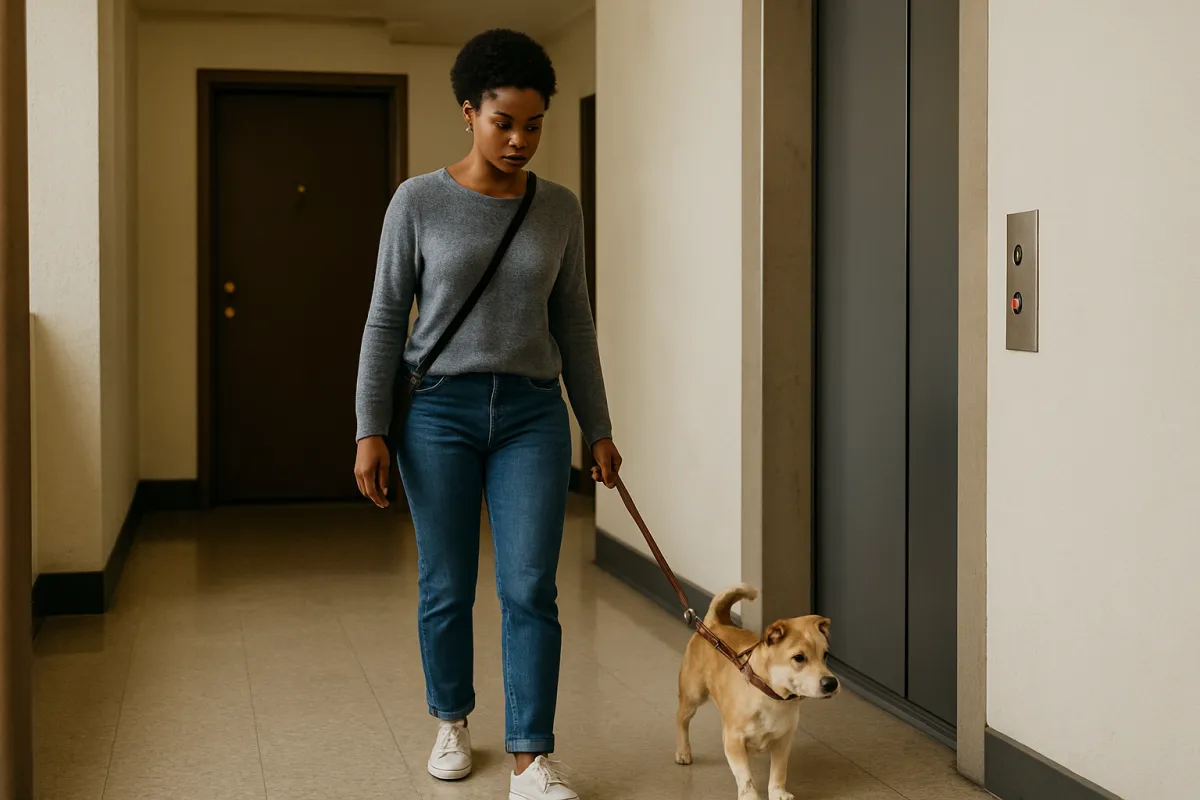
Think about your building as well as your apartment. A dog that is calm inside your unit may still bark at elevators, delivery workers, other dogs, or footsteps outside the door. Visit a rescue organization or breeder and ask how the dog responds to handling, unfamiliar sounds, short separations, and visitors.
4. Avoid common selection mistakes
- Choosing by size alone: Tiny dogs can be energetic, vocal, and demanding.
- Assuming low exercise means low care: Grooming, dental care, training, and companionship still matter.
- Ignoring noise: Ask about alert barking and practice quiet behavior from the beginning.
- Buying for appearance: A distinctive face or coat can hide substantial health or maintenance needs.
- Skipping adult-dog options: Mature rescue dogs may offer clearer information about apartment behavior.
- Underestimating separation issues: Build alone time gradually instead of expecting a new dog to cope immediately.
5. What if the dog is not settling in an apartment?
If barking increases, first record when it happens. Triggers may include hallway noise, boredom, fear, or separation rather than a simple need for more exercise. Reduce access to the trigger, add predictable enrichment, and reinforce quiet behavior before the dog becomes highly aroused.
If the dog pants heavily, struggles to breathe, collapses, refuses normal activity, or shows sudden behavior changes, contact a veterinarian promptly. For persistent fear, reactivity, or separation distress, ask your veterinarian about a qualified behavior professional instead of relying on punishment.
6. Apartment-dog checklist before you commit
- Confirm your lease, building rules, weight limits, and pet fees.
- Measure where a crate, bed, food station, and grooming supplies will go.
- Plan at least one reliable daily walking route and a bad-weather backup.
- Budget for routine veterinary care, grooming, training, food, and emergency expenses.
- Ask about health screening, temperament, socialization, and previous living conditions.
- Arrange a dog walker, sitter, or daycare only if the dog genuinely benefits from it.
- Prepare quiet enrichment such as food puzzles, chew items, and short training games.
Final recommendation by apartment lifestyle
Choose a Havanese if you want a friendly social companion and can provide regular company. Choose a Cavalier King Charles Spaniel if you prefer a gentle, trainable dog and are prepared to investigate health carefully. Choose a Toy Poodle if you enjoy teaching skills and can manage grooming.
A Maltese may suit a very small home, while a Boston Terrier can fit an active household that wants less coat maintenance. Consider a Shih Tzu for a more home-centered routine, but plan for grooming and flat-face care. A French Bulldog should be chosen only after you understand the health limitations and have discussed them with a veterinarian.
Ultimately, the best small dog breeds for apartment living are not simply the smallest ones. They are the dogs whose energy, noise, health needs, and social expectations you can realistically support every day.