For many first-time owners, the Labrador Retriever is the best all-around choice, while the Cavalier King Charles Spaniel is often easier for a quieter household. The right breed depends less on popularity than on whether you can consistently meet its exercise, training, grooming, and companionship needs.
Choosing among the best dog breeds for first-time owners is not simply a matter of finding the friendliest-looking puppy. A small dog may still need intensive training, and a large dog may be manageable if its daily needs fit your routine. This guide compares seven practical options and shows how to narrow the list before you bring a dog home.
1. Match the dog to your real daily routine
Before comparing breeds, write down what an ordinary weekday looks like. Include the time available for walks, training, toilet breaks, grooming, play, and companionship—not just the time you hope to have.
The American Veterinary Medical Association’s responsible pet ownership guidance emphasizes selecting a pet suited to your home and lifestyle, providing exercise and mental stimulation, and planning for veterinary care and emergencies. The RSPCA similarly recommends considering time, space, budget, and experience before choosing an animal. ([ebusiness.avma.org](https://ebusiness.avma.org/files/productdownloads/Responsible-Pet-Ownership-EnglishColor.pdf?utm_source=openai))
- Low activity: Look for a companion that can settle indoors after short walks and gentle play.
- Moderate activity: Consider a dog that enjoys daily walks, basic training, and interactive games.
- High activity: Sporting breeds may suit you, but only if you genuinely enjoy exercise and structured engagement.
- Limited weekday availability: An adult dog with an established temperament may be more practical than a young puppy.
2. Compare the best dog breeds for first-time owners
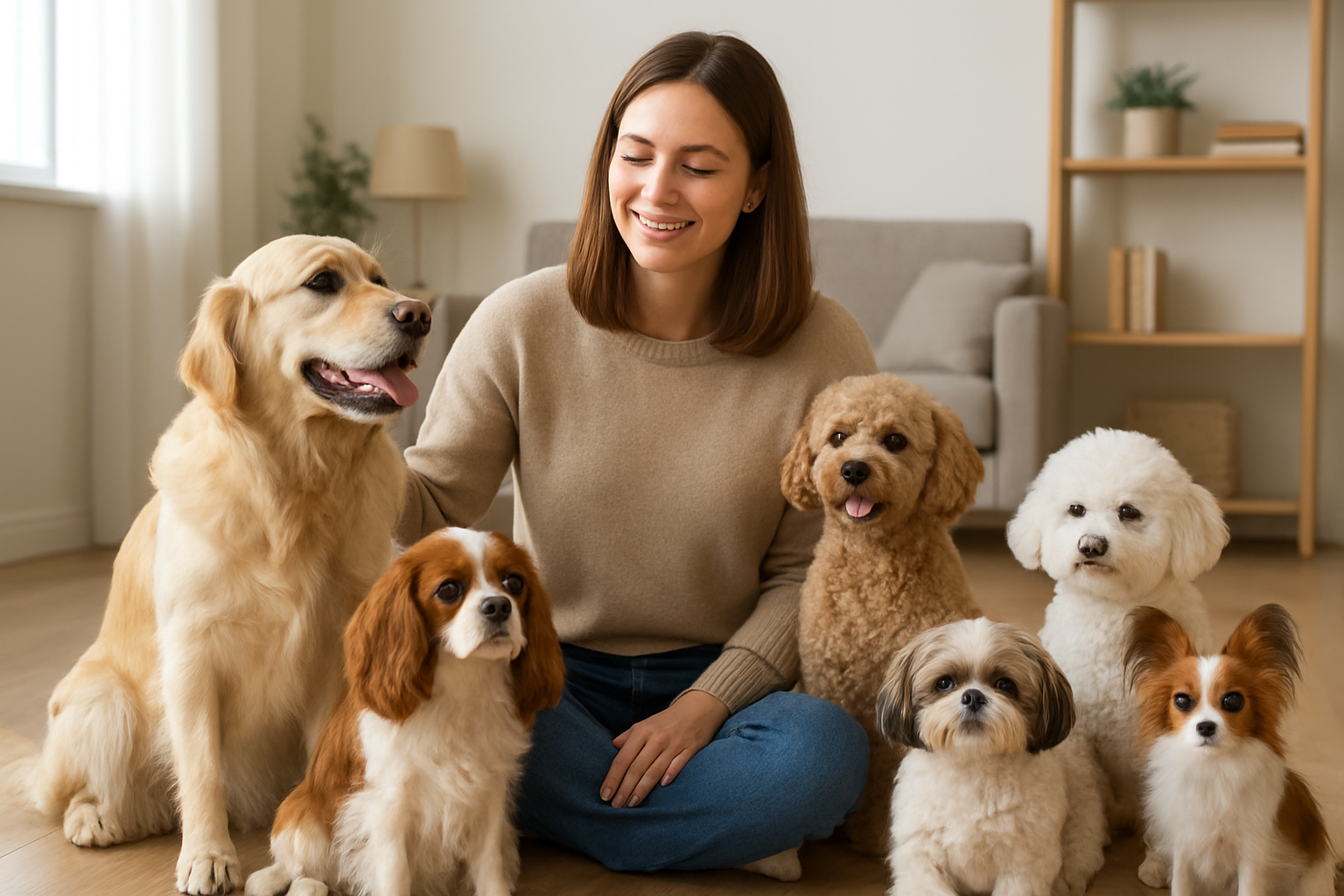
| Breed | Best for | Exercise | Training | Main limitation |
|---|---|---|---|---|
| Labrador Retriever | Active families | High | Usually responsive | Large, energetic, sheds |
| Golden Retriever | Engaged family homes | High | Usually responsive | Coat care and daily activity |
| Cavalier King Charles Spaniel | Companion-focused homes | Moderate | Generally willing | Health screening matters |
| Poodle | Trainability and lower shedding | Moderate to high | Very trainable | Regular coat maintenance |
| Bichon Frise | Smaller homes | Moderate | Trainable with consistency | Frequent grooming |
| Shih Tzu | Quiet companion households | Low to moderate | Can be independent | Coat and dental care |
| Papillon | Active owners wanting a small dog | Moderate | Bright and responsive | Small body, busy mind |
3. The seven strongest beginner-friendly choices
1. Labrador Retriever — Best overall for active first-time owners
Labradors are affectionate, outgoing, energetic, and commonly responsive to training. They are a strong fit if you want a dog for walks, games, basic obedience, and family activities. The American Kennel Club describes them as highly social and especially suited to households that can provide substantial daily exercise. ([akc.org](https://www.akc.org/expert-advice/dog-breeds/labrador-retriever-right-for-you/?utm_source=openai))
Best for: Active families, hikers, and owners who want an adaptable larger dog.
Limitations: A bored young Lab can become difficult to manage. Expect shedding, jumping during adolescence, chewing, and a need for consistent boundaries.
2. Golden Retriever — Best for a gentle, people-oriented family dog
Golden Retrievers are often chosen for their friendly temperament, willingness to learn, and close bond with people. They can be excellent first dogs when the owner is prepared for daily activity, regular brushing, and the training demands of a large adolescent dog. ([akc.org](https://www.akc.org/expert-advice/dog-breeds/golden-retriever-right-for-you/?utm_source=openai))
Best for: Families who enjoy outdoor activities and want a sociable dog.
Limitations: Goldens are not low-maintenance. Their coat sheds, they need regular exercise, and their enthusiasm can be overwhelming without early training. For a closer comparison, see Golden Retriever vs. Labrador Retriever.
3. Cavalier King Charles Spaniel — Best for a smaller affectionate companion
Cavaliers are typically people-oriented, adaptable, and easier to exercise than larger sporting breeds. They can suit apartments or smaller homes if they still receive daily walks, attention, and gentle training. AKC lists the breed among its recommendations for first-time owners. ([akc.org](https://www.akc.org/expert-advice/lifestyle/great-breeds-first-time-owners/?utm_source=openai))
Best for: Owners who want a cuddly, sociable companion with moderate activity needs.
Limitations: Responsible health screening is important. Avoid selecting solely by appearance; ask breeders or rescues for clear health information and veterinary records.
4. Poodle — Best for trainability and reduced shedding
Poodles are intelligent, versatile, and available in Toy, Miniature, and Standard sizes. Their coat may be preferable for some households concerned about loose hair, but reduced shedding does not mean reduced maintenance. Regular brushing and professional grooming are part of responsible ownership. ([akc.org](https://www.akc.org/expert-advice/lifestyle/great-breeds-first-time-owners/?utm_source=openai))
Best for: Owners who enjoy teaching skills and can budget time for coat care.
Limitations: Smart dogs can invent their own activities when under-stimulated. A Poodle needs mental work, not only short walks.
5. Bichon Frise — Best for a cheerful small-household companion
Bichons are compact, social, and often a practical option for owners who want a smaller dog with a playful personality. They still need early house-training, positive socialization, and regular coat maintenance.
Best for: Smaller homes and owners who want an interactive companion.
Limitations: Grooming can be demanding, and separation-related behavior may develop if the dog is rarely taught to relax alone.
6. Shih Tzu — Best for lower-impact daily exercise
Shih Tzus are companion dogs that generally do not require strenuous exercise. Their activity needs can often be met with short walks and indoor play, although every individual dog still benefits from training and enrichment.
Best for: Quieter households, seniors, and owners seeking a small indoor companion.
Limitations: The coat needs regular care, and dental hygiene deserves attention. You can also review LaokPet’s guide to brushing a dog’s teeth at home.
7. Papillon — Best for a small dog with a big interest in learning
Papillons are small, alert, and often enthusiastic about training and games. Their size can work well in apartments, but they are not simply decorative lap dogs; they need social interaction, play, and clear boundaries.
Best for: Owners who want a compact dog for trick training, games, and moderate daily activity.
Limitations: Their alertness may become barking if you do not teach calm behavior early.
4. Check health, temperament, and source—not just breed
Breed tendencies are useful starting points, not guarantees. The RSPCA advises choosing based on the individual dog’s behavior, health, and fit with your lifestyle rather than appearance or breed type alone. ([rspca.org.uk](https://www.rspca.org.uk/adviceandwelfare/pets/dogs/healthybreeds?utm_source=openai))
- Meet the adult parents when possible and observe whether they appear stable and comfortable.
- Ask for vaccination, veterinary, and health-screening records.
- Notice how the dog responds to handling, new people, sounds, and brief separation.
- For adoption, ask staff or foster carers about energy level, house-training, and behavior around children or other pets.
- Arrange a veterinary appointment soon after bringing the dog home.
5. Common mistakes first-time owners make
- Choosing by appearance: A cute face cannot tell you whether the dog fits your schedule.
- Underestimating puppies: Puppies require frequent toilet breaks, supervision, socialization, and repeated training.
- Assuming small means easy: Many small dogs are energetic, vocal, or strong-willed.
- Ignoring grooming: Coat care, nails, ears, and teeth are recurring responsibilities.
- Expecting instant obedience: Training is a gradual process using consistent, reward-based methods.
- Buying without checking health practices: Walk away from sellers who avoid questions or pressure you to decide immediately.
6. A practical checklist before you decide
- Can you provide daily exercise and interaction for the dog’s entire life?
- Who will handle walks, feeding, training, grooming, and veterinary visits?
- What happens during workdays, vacations, illness, or emergencies?
- Can your budget cover routine care as well as unexpected veterinary costs?
- Are your landlord, household members, and existing pets prepared for the change?
- Have you selected a reward-based training class or qualified trainer?
7. What if your first choice is not the right match?
If a breed looks ideal on paper but the individual dog seems fearful, highly reactive, or incompatible with your household, keep looking. A different adult dog, mixed-breed dog, or foster-based match may suit you better than a particular pedigree.
If you already have a dog, introductions should be gradual and managed rather than left to chance. LaokPet’s guide on safely introducing a new dog to your existing dog can help you plan the first meetings.
Final recommendation by scenario
Choose a Labrador Retriever if you want the most versatile option and can provide substantial daily exercise. Choose a Golden Retriever if you want a similarly active family dog with a particularly people-focused temperament. Choose a Cavalier for a smaller affectionate companion, or a Shih Tzu if your lifestyle is quieter and lower-impact.
Choose a Poodle when trainability and reduced loose hair matter more than simple grooming. Choose a Bichon Frise for a cheerful small companion, or a Papillon if you want a small dog that enjoys learning. In every case, the best dog breeds for first-time owners are the ones whose real needs you can meet consistently—not merely the ones that rank highly on a list.
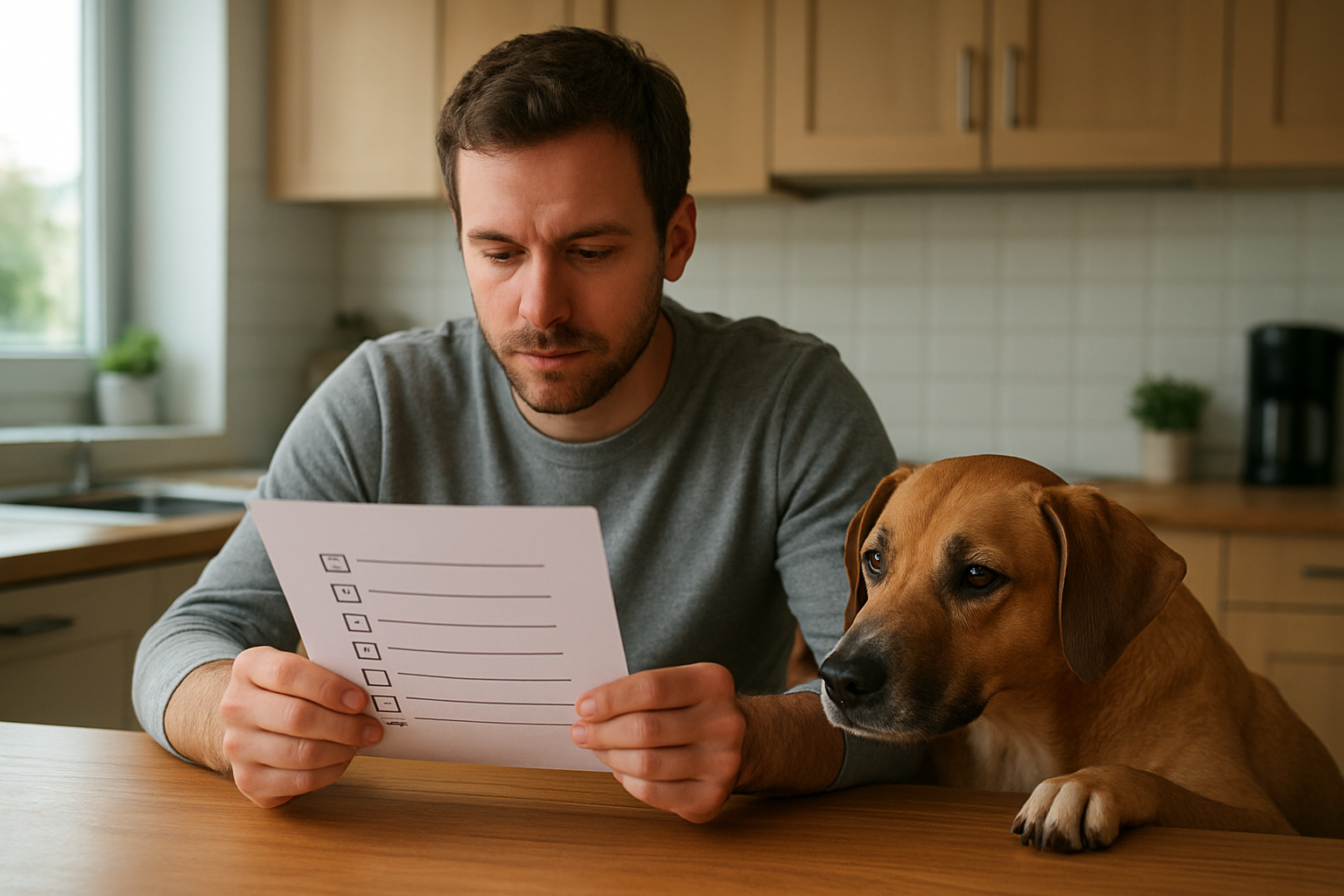
Image suggestion: a first-time dog owner comparing breed profiles with a calm mixed household dog beside them.