Quick verdict: For many active households, the German Shepherd is the more adaptable choice. The Belgian Malinois is usually the better fit for an experienced owner who wants a highly demanding working partner and can provide structured activity every day.
Both breeds are intelligent, loyal, athletic working dogs. The important difference is not simply size or appearance; it is how much intensity, management, and purposeful engagement each dog may bring to ordinary life.
This comparison looks at the practical decision points: exercise, training, temperament, family routines, grooming, living space, and the owner’s experience. The goal is not to declare one breed universally better, but to help you identify which dog is more realistic for your lifestyle.
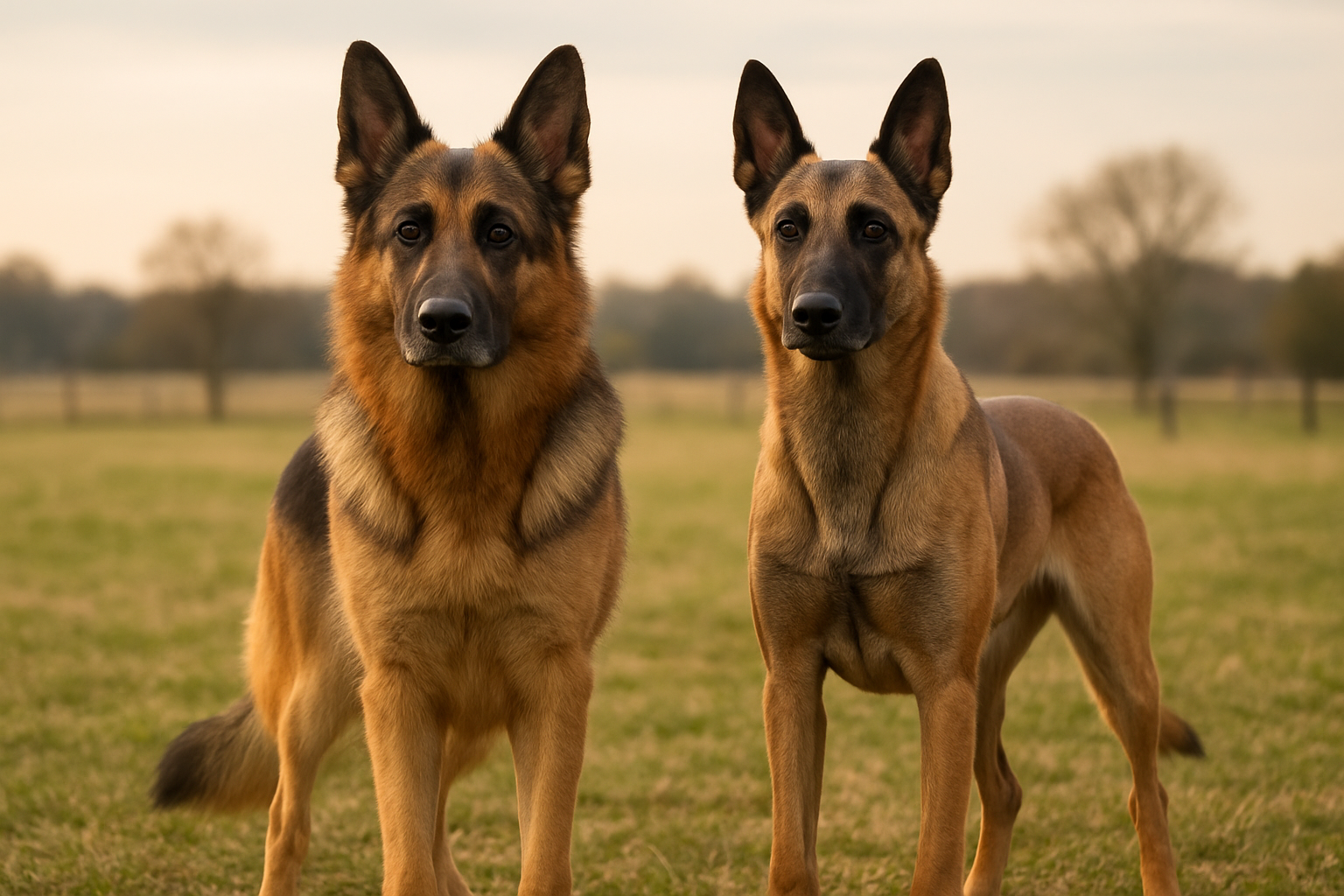
1. Start with the daily commitment, not the breed’s appearance
Before comparing coat colors or watching working-dog videos, write down what you can consistently offer on an ordinary weekday. Both breeds need more than a short walk and a fenced yard, but the Malinois generally places a higher premium on active partnership with its owner.
- How much time can you devote to exercise before and after work?
- Can you provide short training sessions most days?
- Will the dog spend substantial time alone?
- Do you enjoy structured activities such as tracking, obedience, hiking, or agility?
- Can you safely manage a strong, alert dog around visitors, children, cyclists, and other animals?
The American Kennel Club describes the German Shepherd as a very active, intelligent breed that needs physical and mental exercise. It gives the Belgian Malinois an even sharper warning: ordinary walks are not enough, and the breed thrives on activity performed with its owner. See the AKC German Shepherd profile and AKC Belgian Malinois profile for the basic breed guidance.
2. Compare the two breeds across the decisions that affect daily life
| Decision area | German Shepherd | Belgian Malinois | Warning sign |
|---|---|---|---|
| Energy and exercise | High; needs substantial physical and mental activity | Very high; usually needs intense, purposeful engagement | You expect one brief walk to be enough |
| Trainability | Highly intelligent and generally responsive to consistent training | Extremely capable but fast, intense, and easily under-stimulated | You rely on occasional training or inconsistent rules |
| Social style | Often loyal and watchful, with some reserve around strangers | Strongly bonded, alert, protective, and often more environmentally intense | You want a dog that welcomes everyone automatically |
| Family fit | Can suit an active, structured family with supervision | Best with experienced handlers and older, responsible children | Young children will be expected to manage the dog |
| Coat and grooming | Double coat with regular shedding and heavier seasonal shedding | Short coat with regular shedding and seasonal increases | You dislike hair, brushing, or nail care |
| Best working outlets | Obedience, tracking, herding, service work, agility, and active companionship | Tracking, obedience, protection sports, detection, agility, and demanding outdoor work | You want a “working breed” without a real outlet |
3. German Shepherd vs Belgian Malinois: exercise and mental stimulation
German Shepherd
A German Shepherd can be an excellent partner for walking, hiking, obedience, scent work, and dog sports. Many are energetic outdoors but capable of settling at home when their needs are met. That does not make them low-maintenance: an under-exercised Shepherd may bark, pace, dig, chew, or become overprotective.
Plan for a combination of movement and thinking. A brisk walk can be followed by recall practice, scent games, food puzzles, or a short obedience session. Puppies need age-appropriate activity rather than forced endurance work.
Belgian Malinois
The Malinois often needs a more deliberate daily program. Running, hiking, retrieving, tracking, agility, and advanced obedience may all be useful, but the dog also needs to learn calm behavior, impulse control, and how to disengage.
A common mistake is assuming that exhausting the dog physically will solve everything. High-drive dogs can become fitter without becoming calmer. Training should build focus and household manners, not only speed and stamina.
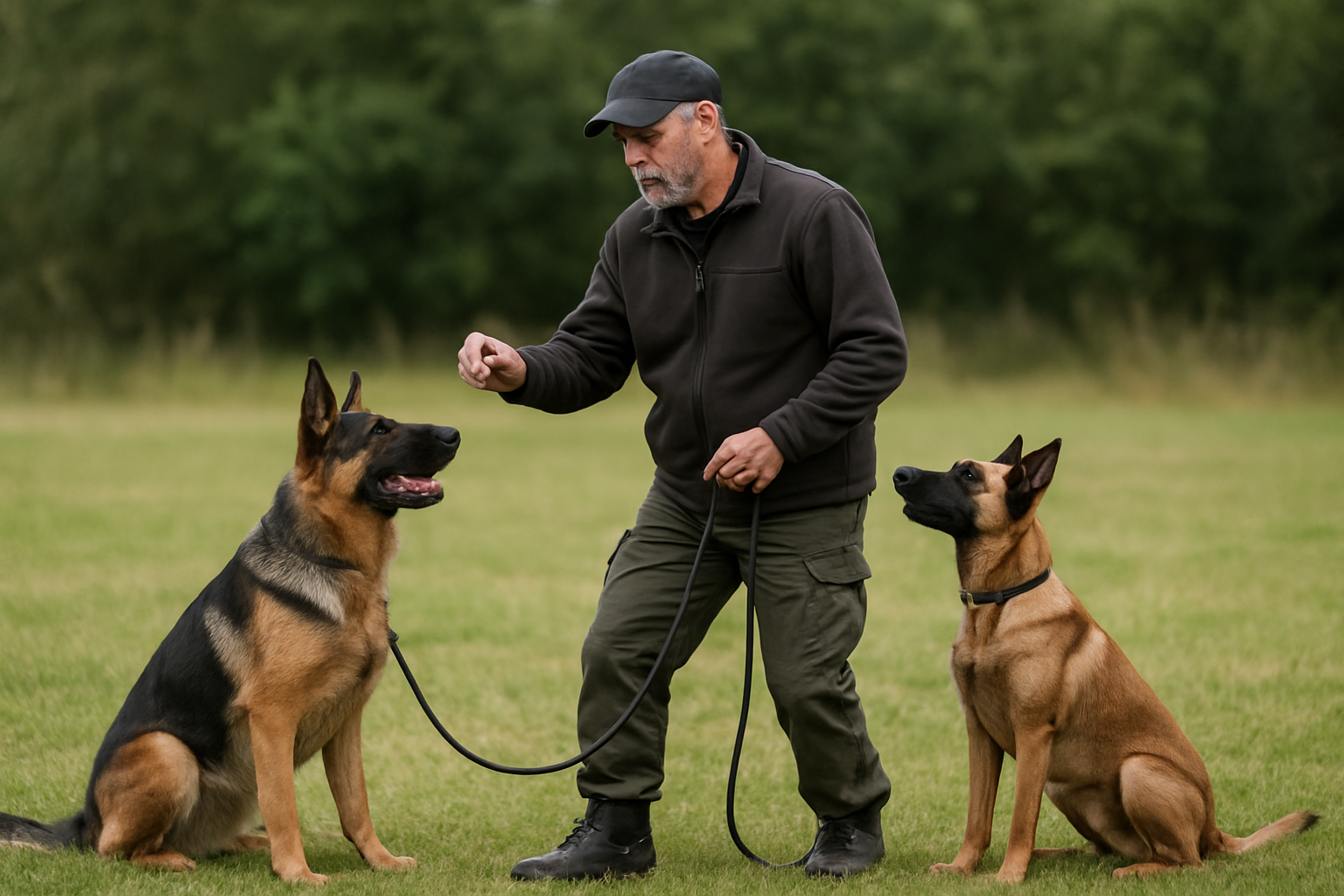
4. Training, socialization, and handling are not optional
Both breeds benefit from early socialization, reward-based training, clear boundaries, and carefully managed exposure to new people, dogs, surfaces, sounds, and environments. A puppy class can help, but it does not replace continued practice at home.
The Malinois deserves particular caution because its intelligence and prey drive can produce fast, difficult-to-interrupt behavior. Chasing moving children, bicycles, cars, or small animals must be managed and redirected from the beginning. The AKC’s guidance on whether a Belgian Malinois suits your home emphasizes the need for experience, attention, exercise, and consistent engagement.
German Shepherds also require serious socialization. Their size, strength, guarding instincts, and tendency to be reserved can become a liability if the owner mistakes suspicion for good protection. The aim is a stable dog that can observe a situation and respond to your direction, not a dog that makes decisions for the household.
5. Family life, visitors, and living space
Neither breed should be selected solely because it looks protective. Both can be affectionate with their families, but individual temperament varies by genetics, breeding, early experiences, training, and environment.
A German Shepherd may be the easier choice for an active family that wants a versatile companion and is prepared to supervise interactions. A Malinois may work well with older children who understand boundaries and live with adults who can manage its speed, intensity, and chase instincts. No large working dog should be left unsupervised with young children.
House size is less important than routine and management. A large home will not compensate for poor exercise, while an apartment may be workable for an exceptionally committed owner who provides outdoor activity, training, quiet-time practice, and safe handling. However, close neighbors can make barking and high-energy indoor behavior more consequential.
6. Grooming, health planning, and responsible sourcing
Both breeds have practical coats rather than elaborate grooming needs. The German Shepherd’s double coat usually means more visible hair, especially during seasonal shedding. The Malinois has a shorter coat, but short hair still sheds and can be surprisingly persistent on furniture and clothing. Regular brushing, nail care, ear checks, dental care, and veterinary examinations belong in the routine.
Health risk is not a simple breed-versus-breed score. Ask breeders or rescue organizations what is known about the individual dog, request relevant health records, and look for stable temperament rather than exaggerated working intensity. The German Shepherd Dog Club of America health and genetics resources explain the importance of screening and documented health practices.
If you are buying a puppy, meet the mother when possible, inspect the living conditions, ask how puppies are socialized, and avoid sellers who cannot explain their health testing or who promise an extreme “protection” temperament. If you are adopting an adult, ask detailed questions about behavior around strangers, dogs, handling, confinement, prey animals, and recovery from excitement.
7. Which breed is better for your specific lifestyle?
Choose a German Shepherd when:
- You want a versatile dog for family life, obedience, hiking, tracking, or service-oriented activities.
- You can provide daily exercise and training but do not want the highest possible working intensity.
- You value a close, loyal companion that may settle after a well-structured day.
- You are prepared for heavy shedding, strong guarding instincts, and ongoing socialization.
Choose a Belgian Malinois when:
- You have substantial experience with demanding working or herding breeds.
- You actively want to train for advanced obedience, detection, agility, tracking, or another structured outlet.
- You can provide frequent human interaction and carefully manage prey drive.
- You are comfortable teaching calmness as deliberately as you teach active skills.
8. Common decision mistakes
- Choosing by appearance: A protective-looking dog is still a long-term training responsibility.
- Confusing intelligence with ease: Smart dogs learn quickly, including habits you did not intend to teach.
- Underestimating adolescence: Puppy behavior may become stronger and faster before maturity arrives.
- Using exercise as the only solution: Dogs also need boundaries, rest, social learning, and impulse control.
- Buying the most intense puppy: The boldest or busiest puppy is not automatically the best family match.
9. What if you are still unsure?
Spend time with adult dogs from both breeds before committing. Visit a reputable training club, speak with owners whose dogs live in ordinary homes, and ask to observe how the dogs settle between activities. A calm, well-managed adult can tell you more about the daily reality than a dramatic working demonstration.
If you already have a dog that is lunging, chasing, guarding, or unable to settle, seek help from a qualified reward-based trainer or veterinary behavior professional. Safety management comes first: use secure equipment, prevent rehearsal of dangerous behavior, and avoid deliberately increasing fear or aggression.
10. Your practical decision checklist
- Schedule and budget for daily exercise, training, grooming, food, and veterinary care.
- Confirm that everyone in the household agrees on rules and handling.
- Plan safe separation from visitors, children, cats, livestock, and small pets when needed.
- Identify at least two realistic mental-work activities before bringing the dog home.
- Choose temperament and support quality over impressive appearance or extreme drive.
- Enroll in training early and continue after the basic puppy stage.
For related preparation, see LaokPet’s practical puppy training guide, plus the calm guides to cleaning a dog’s ears and brushing a dog’s teeth.
Final verdict: The German Shepherd is usually the more flexible choice when you want an active, trainable family companion with serious working ability. The Belgian Malinois can be exceptional for the right handler, but its needs are less forgiving. If you cannot confidently provide daily structure, purposeful work, close supervision, and experienced training, choose the German Shepherd—or consider a less demanding breed instead.