The best aquarium fish for beginners are usually peaceful, adaptable species that match your tank size and can thrive with consistent care. Guppies, platies, bettas, neon tetras, and corydoras are reliable starting points, but none should be added until the aquarium is properly filtered, conditioned, and cycled.
Choosing the right fish matters because aquarium success depends more on compatibility and water stability than on appearance alone. This guide compares seven beginner-friendly options, explains what each one needs, and helps you choose a sensible first setup rather than an overcrowded tank.
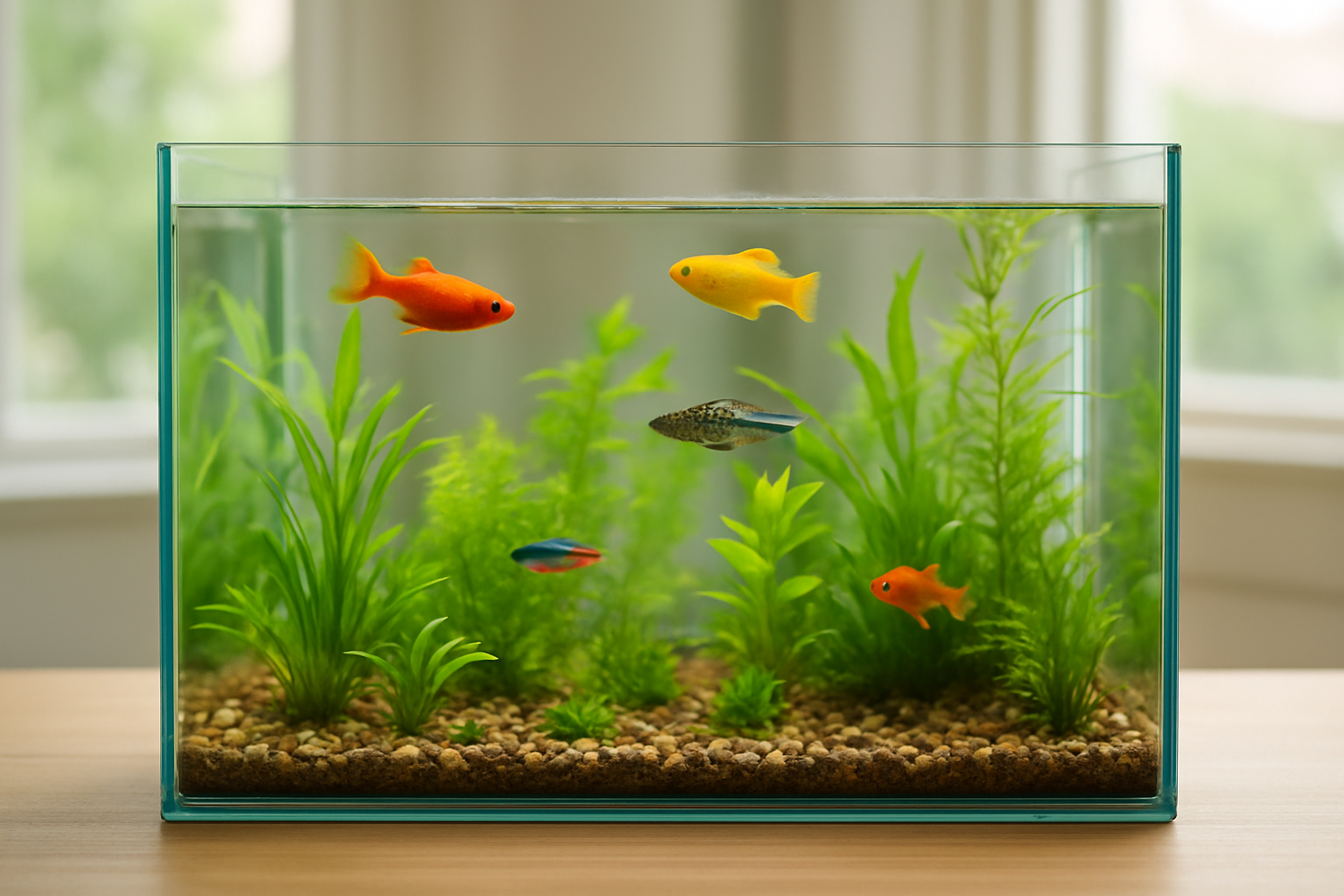
1. Decide what makes a fish beginner-friendly
For this ranking, the most important criteria are hardiness, temperament, ease of feeding, social needs, adult size, and how forgiving the fish is when a new keeper is still learning. A beginner fish should not merely be easy to buy; it should also have care requirements you can realistically meet.
- Hardiness: The fish should tolerate normal variation once the tank is stable, although no species can survive neglected water quality.
- Temperament: Peaceful fish are easier to keep in a community aquarium.
- Practical tank needs: The fish should suit the aquarium you can safely maintain.
- Social behavior: Schooling and shoaling species need companions, while some fish are best kept alone.
- Maintenance: Feeding, water testing, partial water changes, and filter care should be manageable for your routine.
Freshwater fish are generally a more approachable starting point than saltwater species, but “beginner-friendly” does not mean maintenance-free. Fish depend entirely on their aquarium environment, including filtration, temperature, water chemistry, and regular cleaning. PetMD’s freshwater aquarium setup guide explains why cycling and water preparation should come before adding fish. ([petmd.com](https://www.petmd.com/fish/setting-freshwater-aquarium?utm_source=openai))
2. Compare the best aquarium fish for beginners
The table below gives a practical starting point. Exact requirements vary by strain, tank shape, local water, and the fish’s individual health, so confirm the care sheet for the species you choose.
| Fish | Best for | Social needs | What to look for | Warning sign |
|---|---|---|---|---|
| Betta | One-fish setup | Usually kept alone | Gentle filtration, warm stable water, cover | Assuming a bowl is adequate |
| Guppy | Color and activity | Small group | Stable warm water and a covered tank | Mixed sexes causing rapid breeding |
| Platy | Peaceful community tank | Small group | Hardy livebearer with swimming room | Overcrowding from frequent fry |
| Neon tetra | Small peaceful school | Group of several fish | Stable, mature aquarium and calm tankmates | Keeping only one or two |
| Harlequin rasbora | Gentle planted community | School | Open swimming space and peaceful companions | Fast, fin-nipping tankmates |
| Corydoras | Bottom activity | Group of the same species | Soft, clean substrate and sinking food | Using them as a substitute for tank cleaning |
| Zebra danio | Active, larger community tank | School | Long horizontal tank and strong swimming space | Keeping them in a small, still aquarium |
1. Betta fish — best for a simple single-fish aquarium
Bettas are one of the most accessible choices for a first aquarium because one fish can be the focus of the setup. Their colors and behavior are engaging, but their popularity often leads to poor housing advice. A betta still needs an appropriately sized, heated, filtered aquarium with hiding places and a secure cover.
Male bettas are commonly kept alone because they may be aggressive toward other bettas. Some can live with carefully selected peaceful tankmates, but this is not the easiest starting arrangement. Aqueon’s betta care sheet provides further guidance on tank conditions and compatibility. ([aqueon.com](https://www.aqueon.com/-/media/project/oneweb/aqueon/files/us/care-sheets/fish/aq_betta_cs-pdf.pdf?utm_source=openai))
Limitation: A betta is not automatically suitable for a tiny decorative bowl, and community compatibility varies from fish to fish.
2. Guppies — best for color and visible activity
Guppies are colorful, active, and generally adaptable. They accept common prepared foods and are often a good choice if you want several fish moving through the upper and middle areas of the tank.
Keep in mind that guppies reproduce readily. If you do not want fry, consider an all-male group or ask an experienced aquarist to help you choose a suitable arrangement. Guppies do best with stable warm water and a larger aquarium is easier to keep stable than a very small one. ([petmd.com](https://www.petmd.com/fish/guppy-fish-care-sheet?utm_source=openai))
Limitation: Long fins can be vulnerable to fin-nipping tankmates, and mixed-sex groups can quickly exceed the tank’s capacity.
3. Platies — best for a forgiving community fish
Platies are peaceful livebearers with straightforward feeding requirements and a wide range of colors. They are a practical option for a community aquarium containing other calm species with similar water and temperature needs.
Like guppies, platies can produce many young. Their adult size and activity level also mean they need more room than a small display bowl. Livebearers such as platies, mollies, swordtails, and guppies are commonly described as colorful, peaceful, and hardy in Aqueon’s livebearer care guide. ([aqueon.com](https://www.aqueon.com/resources/care-guides/livebearer?utm_source=openai))
Limitation: They are not the best choice for a very small tank or for anyone who does not want to manage breeding.
4. Neon tetras — best for a small, peaceful school
Neon tetras add bright color and coordinated movement to a calm community aquarium. They are schooling fish, so keeping only one or two is not appropriate; plan the tank around a proper group and compatible companions.
Neon tetras are often considered beginner-friendly, but they benefit from stable conditions rather than a newly assembled aquarium. Add them only after the biological filter is established and the water parameters are consistent.
Limitation: Their small size makes them poor companions for large or predatory fish, and they may struggle in an immature or overcrowded tank.
5. Harlequin rasboras — best for a calm planted setup
Harlequin rasboras are peaceful schooling fish that work well in a thoughtfully planned community aquarium. Their subdued markings suit planted tanks, and they are less likely to create conflict than territorial or aggressive species.
They need companions and open swimming space. Choose them when you are prepared to keep a school rather than treating them as individual decorative fish.
Limitation: A small school still needs adequate horizontal swimming room, filtration, and compatible tankmates.
6. Corydoras — best for bottom-level behavior
Corydoras are peaceful bottom-dwelling catfish that bring activity to a part of the aquarium many beginner fish ignore. They should generally be kept in groups of the same or compatible species and offered food that reaches the bottom.
Use smooth sand or rounded gravel and inspect decorations for sharp edges. Corydoras are helpful scavengers, but they do not replace water changes or proper feeding.
Limitation: They need a suitable group, clean substrate, and enough floor space; they are not a solution for leftover food or dirty water.
7. Zebra danios — best for an active, longer aquarium
Zebra danios are lively schooling fish that suit keepers who enjoy constant movement. They are hardy and usually peaceful, but their swimming style is more energetic than that of many small tetras.
A long, horizontal aquarium is preferable because it gives the group room to move. Avoid combining them with slow, long-finned fish that may become stressed by their activity.
Limitation: They can be too active for a small or heavily decorated tank, and they should not be kept alone.
3. Prepare the aquarium before buying fish
Choose the tank first, then choose the fish. A larger aquarium is generally more stable because temperature and water chemistry change less abruptly. The tank should have a suitable filter, thermometer, heater if required, water conditioner, test kit, cover, and safe decorations.
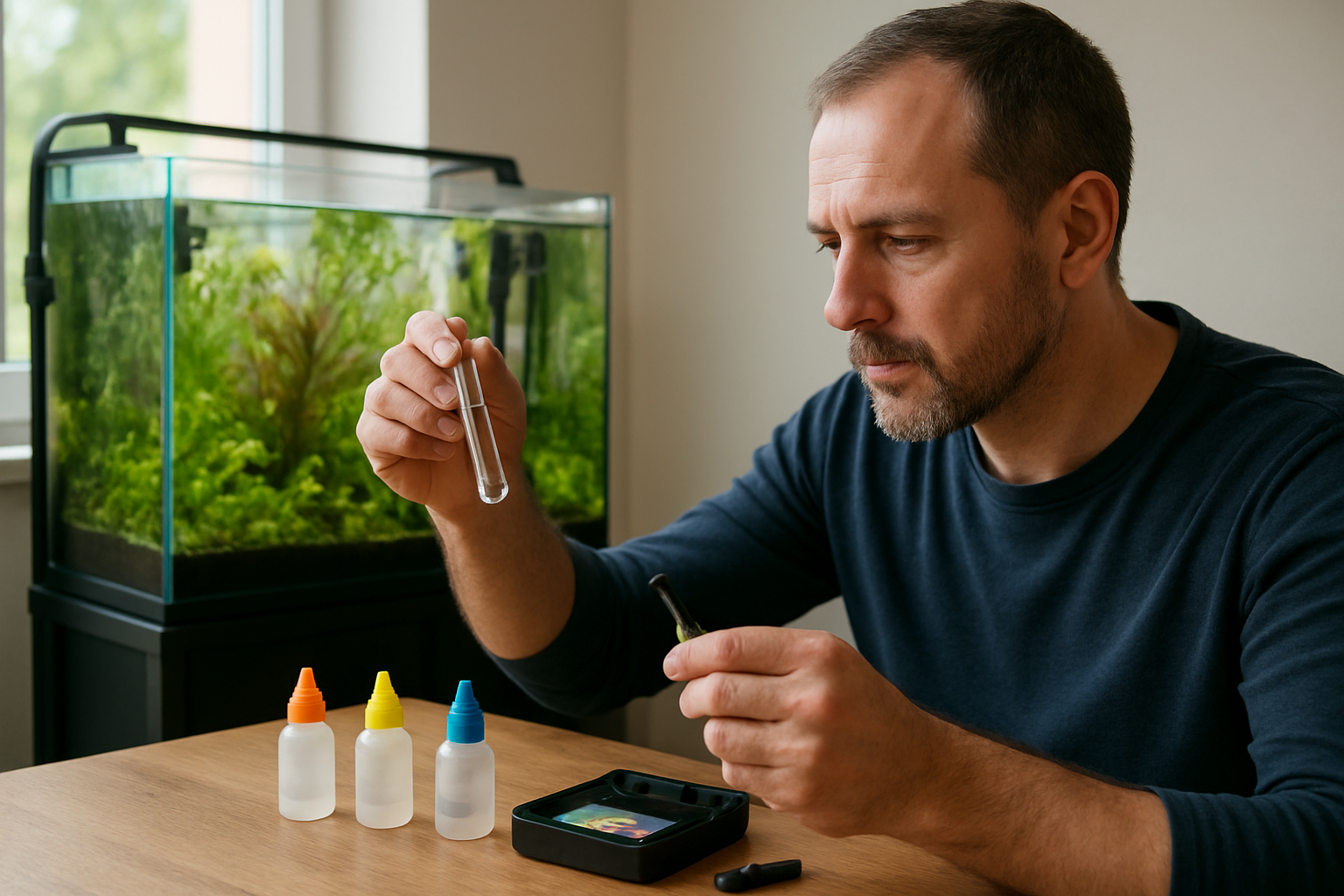
Tap water should be treated to neutralize chlorine or chloramine before fish are exposed to it. The aquarium also needs to complete its nitrogen cycle so beneficial bacteria can process waste. Do not rely on clear-looking water as proof that the tank is ready.
Before stocking, test for ammonia and nitrite and confirm that both are zero. Add fish gradually rather than filling the aquarium immediately. This gives you time to observe behavior and confirm that the filter can handle the waste load.
4. Avoid the most common beginner mistakes
- Buying fish before cycling the tank: New-tank ammonia and nitrite can seriously harm or kill fish.
- Choosing by appearance alone: A beautiful fish may need a much larger aquarium or specialized water.
- Keeping schooling fish singly: Tetras, rasboras, danios, and corydoras need appropriate companions.
- Overfeeding: Offer only what the fish can consume promptly and remove persistent leftovers.
- Overcrowding: Adult size, swimming behavior, filtration, and social needs all matter.
- Adding incompatible tankmates: Check temperament, water conditions, fin-nipping behavior, and size.
- Skipping water tests: Fish can appear normal while harmful compounds are rising.
The RSPCA freshwater fish care guide is a useful additional reference for responsible housing and routine care. ([rspca.org.uk](https://www.rspca.org.uk/documents/1494939/7712578/Freshwater%2BFish%2BCare.pdf/0116d9d9-8ab7-18f0-eba8-628f5eff612e?t=1553271150741&utm_source=openai))
5. Use this first-tank checklist
- Choose a tank based on adult fish size and swimming behavior.
- Install filtration and a heater when the species requires warm water.
- Treat tap water with an appropriate conditioner.
- Cycle the aquarium and test ammonia, nitrite, nitrate, pH, and temperature.
- Plan the correct group size before purchasing schooling fish.
- Introduce fish gradually and observe them daily.
- Perform regular partial water changes and maintain the filter without destroying its biological media.
6. What if your first choice is not suitable?
If your tank is too small for a desired species, do not try to compensate by adding fewer schooling fish. Choose a different species or upgrade the aquarium. If fish show rapid breathing, clamped fins, repeated hiding, loss of balance, or sudden lethargy, test the water immediately and contact an aquatic veterinarian or experienced fish professional if the problem is not clear.
If breeding becomes unexpected, separate sexes where appropriate and ask a local aquarium shop or rescue organization about responsible rehoming. Never release unwanted fish into ponds, streams, or other outdoor waterways.
7. Final recommendation by scenario
- For one fish: Choose a betta in a properly filtered, heated aquarium.
- For colorful livebearers: Choose guppies or platies, while planning for possible breeding.
- For a peaceful school: Choose neon tetras or harlequin rasboras after the tank has matured.
- For bottom-level activity: Add a suitable group of corydoras to a compatible community aquarium.
- For energetic movement: Choose zebra danios only when you can provide a longer tank and calm, compatible companions.
Overall, the best aquarium fish for beginners is the species that fits the aquarium you can maintain consistently. For the simplest first decision, choose one betta or a properly planned group of guppies; for a community tank, start with peaceful schooling fish only after the tank is cycled and you have confirmed their group and space requirements.
For more practical pet-care planning, visit the LaokPet homepage or compare other care guides such as rabbit versus guinea pig for children.