The best cat breeds for people with allergies are usually those associated with lower shedding or less loose dander, such as the Siberian, Balinese, Devon Rex, and Cornish Rex—but no cat breed is reliably allergen-free. Your safest choice depends on your individual reaction, the cat itself, and how well you can control allergens in your home.
Cat allergies are usually triggered by proteins found in saliva, skin flakes, and other secretions rather than by fur alone. This guide ranks commonly considered options, explains the limits of the evidence, and helps you test compatibility before making a long-term commitment.
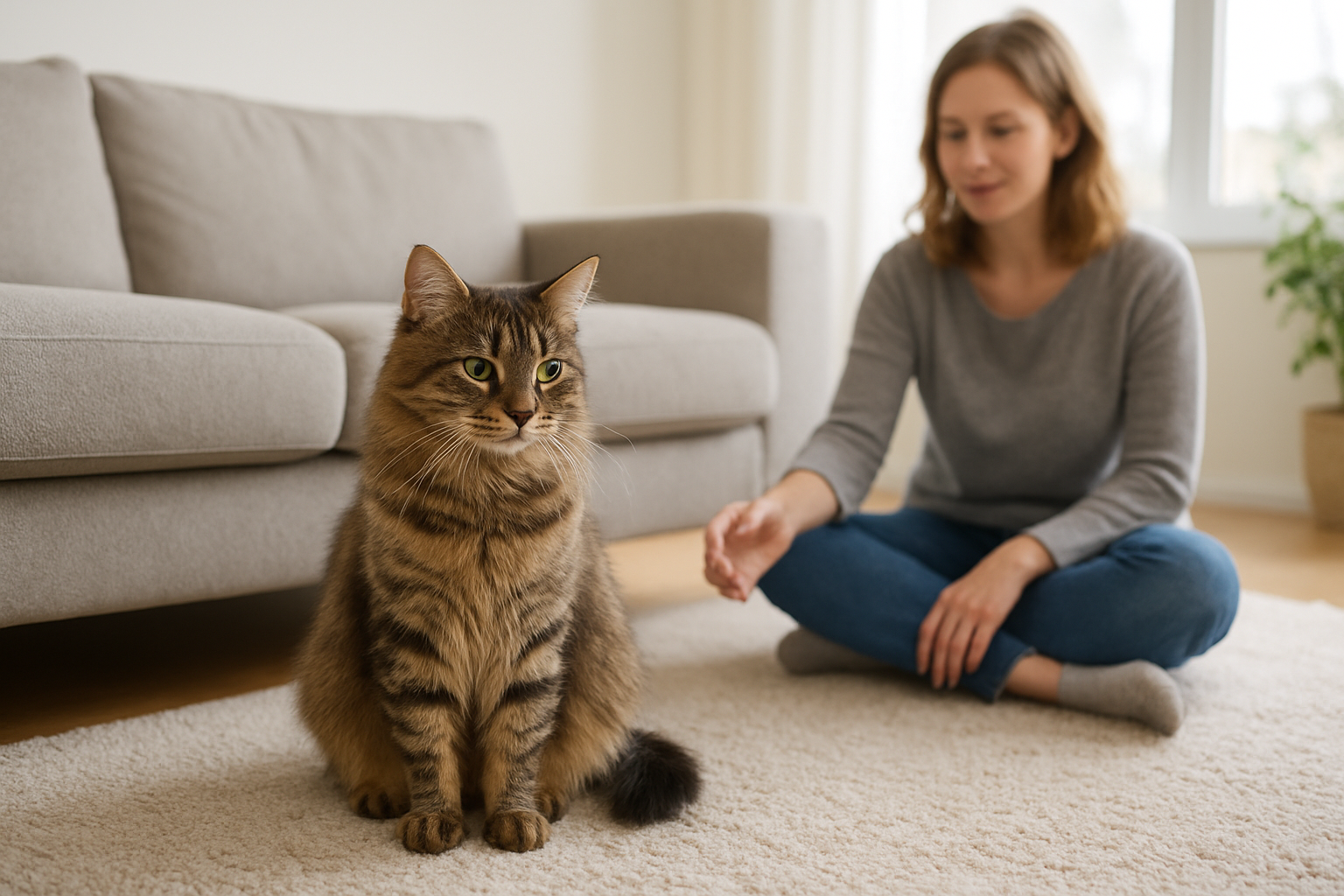
1. Compare the traits that matter for allergy-prone homes
There is no official cat breed that can honestly be described as completely hypoallergenic. Individual cats vary, and even cats from the same litter may produce different amounts of the proteins that trigger symptoms.
For a practical comparison, consider four factors:
- Individual reaction: Your response to one cat may not predict your response to another cat of the same breed.
- Shedding and grooming: Less loose hair can make cleanup easier, but it does not remove allergen-producing proteins.
- Temperament and activity: A cat that needs close contact may be harder to manage if touching triggers symptoms.
- Home controls: Ventilation, cleaning routines, bedroom boundaries, and washable furnishings can affect daily exposure.
The ranking below reflects a combination of commonly reported grooming characteristics, shedding patterns, and practical suitability for testing. It is a starting point, not a medical guarantee.
Here is a quick comparison of the breeds discussed:
| Rank | Breed | Why people consider it | Important limitation | Best for |
|---|---|---|---|---|
| 1 | Siberian | Often reported as manageable by some allergy sufferers; affectionate and adaptable | Has a substantial coat and can shed heavily | People willing to test an individual cat carefully |
| 2 | Balinese | Long, fine coat with less undercoat than many long-haired cats | Still produces allergens and may be vocal | Social households wanting an active companion |
| 3 | Devon Rex | Short, soft coat and generally limited loose fur | Needs regular skin and ear care; reactions remain possible | People who prefer an interactive, playful cat |
| 4 | Cornish Rex | Very short, fine coat that may leave less hair around the home | Energetic and sensitive to cold; not allergen-free | Active owners comfortable with a high-energy cat |
| 5 | Russian Blue | Short coat and often calm, observant temperament | Individual allergen levels can differ; may be reserved | Quieter homes that allow gradual trust-building |
| 6 | Sphynx | Little or no conventional fur to shed | Skin still produces allergens and requires frequent care | Owners prepared for bathing, warmth, and skin management |
| 7 | Oriental Shorthair | Short coat and a close, people-oriented personality | Can be vocal, demanding, and highly active | Households wanting a very interactive cat |
2. The 7 best cat breeds for people with allergies
1. Siberian
The Siberian is often the first breed allergy-prone households investigate. Some people report tolerating individual Siberians better than other cats, but this should be treated as an observation rather than a dependable breed-wide fact.
The breed has a dense coat, so it may shed noticeably and require regular brushing. Best for: people who want a friendly, substantial cat and can arrange repeated, in-person allergy testing before adoption. It is not the best choice if loose hair itself is your main household concern.
2. Balinese
Balinese cats have a fine, silky coat and are often described as having less undercoat than many other long-haired breeds. Their coat may be easier to manage than its appearance suggests, but saliva, skin flakes, and close contact can still cause symptoms.
Balinese cats are typically social and active, so they may seek frequent interaction. Best for: households that want an involved companion and can provide play, attention, and a consistent grooming routine.
3. Devon Rex
The Devon Rex has a short, wavy coat that tends to leave less loose fur than a conventional long-haired coat. Its unusual coat can make visible shedding less noticeable, but it does not prevent allergen production.
Devons are usually playful and people-focused. Their skin and ears may need routine attention, particularly if oils accumulate. Best for: owners who want an affectionate, entertaining cat and are comfortable with regular care beyond brushing.
4. Cornish Rex
The Cornish Rex has a very fine coat with a distinctive rippled texture. Because there is relatively little conventional guard hair, some homes may find loose-fur cleanup easier.
This breed can be energetic, curious, and physically warm-seeking. It may not suit someone looking for a very quiet or independent companion. Best for: active households that can provide climbing areas, play, and a warm indoor environment.
5. Russian Blue
Russian Blues have a short, dense coat and are often considered a practical option for people who prefer less grooming than a long-haired breed requires. Their calm appearance should not be confused with a guarantee of lower allergen exposure.
They may take time to become comfortable with unfamiliar people or busy homes. Best for: quieter households willing to let a cat approach gradually and test their response to the specific animal.
6. Sphynx
The Sphynx has little or no conventional fur, which can reduce hair on furniture and clothing. However, it still produces the proteins associated with cat allergies, and those proteins can collect on the skin.
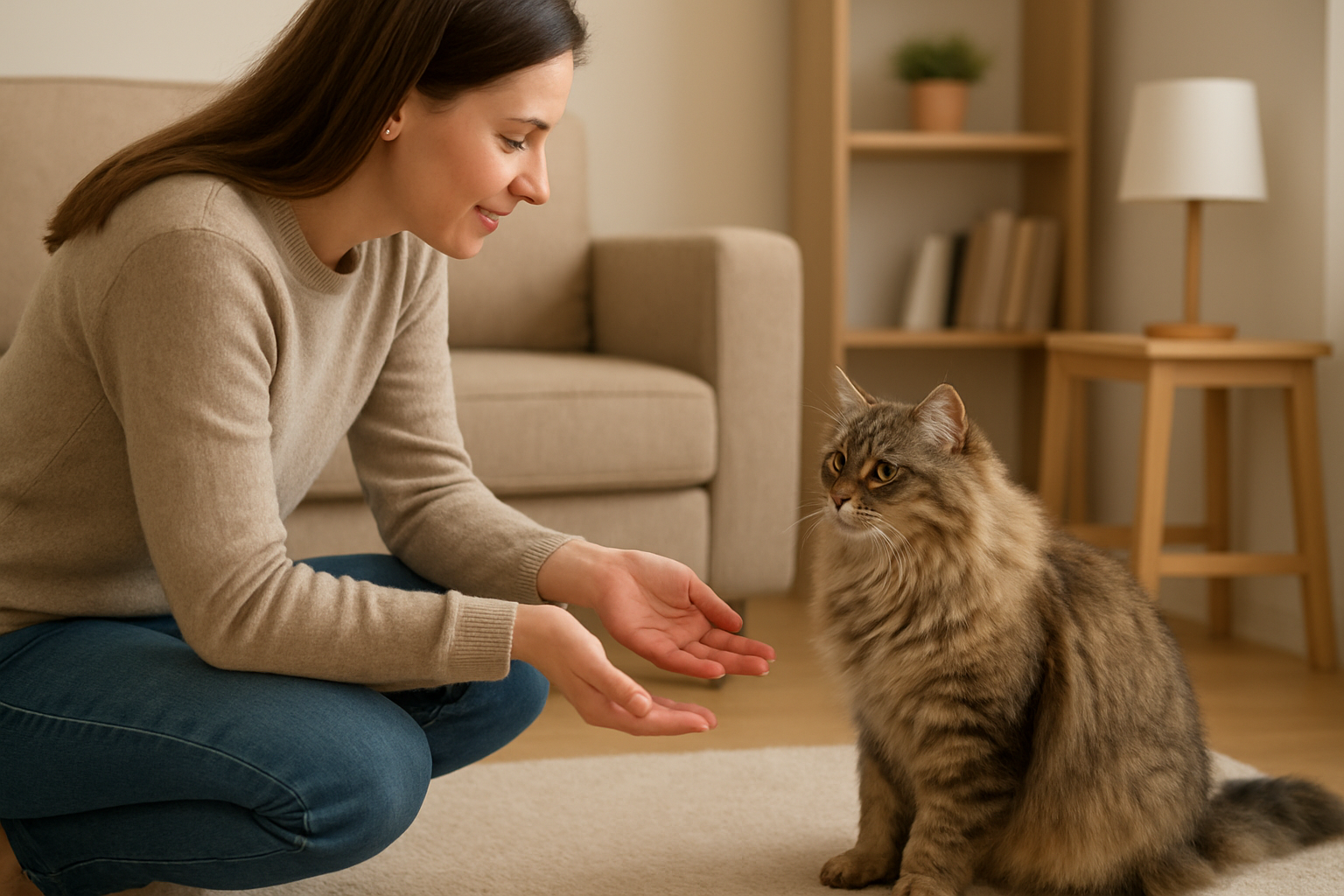
Regular bathing may be needed to manage oil buildup, but bathing frequency should be appropriate for the individual cat and discussed with a veterinarian if skin problems occur. Sphynx cats also need protection from cold and excessive sun. Best for: owners prepared for deliberate skin care, temperature management, and ongoing cleaning.
7. Oriental Shorthair
The Oriental Shorthair has a short coat that is generally straightforward to groom. Its stronger advantage for some households may be the ease of brushing and cleaning, not a proven absence of allergens.
These cats are often highly social, vocal, and active. Best for: people who want a close companion and can accommodate frequent interaction without allowing the cat into allergy-sensitive areas.
3. Test a cat before you commit
Breed descriptions are less useful than your response to the individual cat. Arrange a visit with the breeder, rescue, or current owner and spend meaningful time indoors. If possible, repeat the visit on a different day rather than relying on a brief first impression.
- Avoid taking antihistamines solely to hide your response during a compatibility test unless a clinician has advised you to do so.
- Touch the cat, sit where it normally rests, and notice whether symptoms develop later that day.
- Ask how the cat is groomed, whether it lives with other animals, and whether it spends time outdoors.
- Do not rely on a sample of fur or a short visit as proof that living together will be comfortable.
If you experience wheezing, chest tightness, facial swelling, severe hives, or breathing difficulty, leave the area and seek appropriate medical care. An allergist can discuss testing, treatment, and whether adoption is sensible for your situation.
4. Reduce allergens after bringing a cat home
Allergen control works best as a routine rather than a single product. Keep the cat out of your bedroom if that is practical, use washable covers on favorite resting areas, and clean floors and soft furnishings regularly with equipment that does not simply redistribute dust.
Ask another household member to brush the cat, preferably outdoors or in a well-ventilated area. Wash your hands after handling the cat before touching your face, and consider changing clothing after prolonged close contact if symptoms are difficult to control.
An air cleaner may help reduce airborne particles in a room, but it should supplement—not replace—medical advice and cleaning. Avoid making unsupported claims about sprays, shampoos, or supplements that promise to eliminate cat allergies.
5. Common mistakes when choosing an allergy-friendly cat
- Assuming “hypoallergenic” means allergen-free: The label is not a guarantee of tolerance.
- Choosing by coat length alone: Short hair does not automatically mean fewer allergy triggers.
- Testing only one kitten: Your response may differ between individual cats, even within one breed.
- Ignoring temperament: A highly affectionate cat may create more exposure through constant contact.
- Adopting before planning boundaries: Decide in advance which rooms, furniture, and cleaning responsibilities are realistic.
- Overlooking non-cat causes: Dust, litter, pollen, and household fragrances can worsen symptoms too.
6. What if your symptoms continue?
If symptoms persist despite choosing a commonly recommended breed, first consider exposure patterns. The litter, bedding, dust, another pet, or outdoor pollen may be contributing. Keep a simple record of when symptoms appear and which rooms or activities are involved.
Do not repeatedly increase medication or use veterinary products on the cat without professional guidance. Talk with an allergist about diagnosis and treatment, and contact a veterinarian if the cat develops persistent itching, skin irritation, ear problems, or excessive grooming.
7. Final checklist and recommendation by scenario
Before adoption, use this short checklist:
- Meet the exact cat more than once, if possible.
- Confirm that the cat’s temperament fits your household.
- Plan bedroom and furniture boundaries before the cat arrives.
- Arrange a realistic grooming and cleaning routine.
- Ask a medical professional for advice if you have asthma or significant reactions.
For the best starting point: investigate a Siberian or Balinese if you want a social cat and can test individual tolerance carefully. Choose a Devon Rex or Cornish Rex if reducing loose fur and brushing demands matters, while accepting their active personalities. Consider a Russian Blue for a quieter home, a Sphynx only if you are prepared for skin care, and an Oriental Shorthair if you specifically want a vocal, interactive companion.
The best cat breeds for people with allergies are therefore best understood as candidates for careful testing, not guaranteed solutions. Choose the individual cat you tolerate, prepare the home before adoption, and involve an allergist when symptoms are more than mild.
Frequently asked questions
Are any cats completely hypoallergenic?
No. Cats can vary in allergen production, but no breed can reliably promise that an allergy-prone person will have no reaction.
Is a hairless cat safer for allergies?
Not necessarily. A hairless cat may shed less visible fur, but allergens can still be present on its skin and in saliva. It also requires more deliberate skin care.
Should I choose a kitten or an adult cat?
An adult cat gives you a more stable view of its size, coat, and temperament, but your response can still change with repeated exposure. Whichever age you choose, test the individual animal before committing.